
Cairo Urban Crisis 2026: Balancing 22 Million Residents with $8 Billion Tourism Surge
Cairo faces a systemic urban challenge in 2026, attempting to integrate a record-breaking $8 billion tourism windfall with the infrastructure needs of 22 million residents.

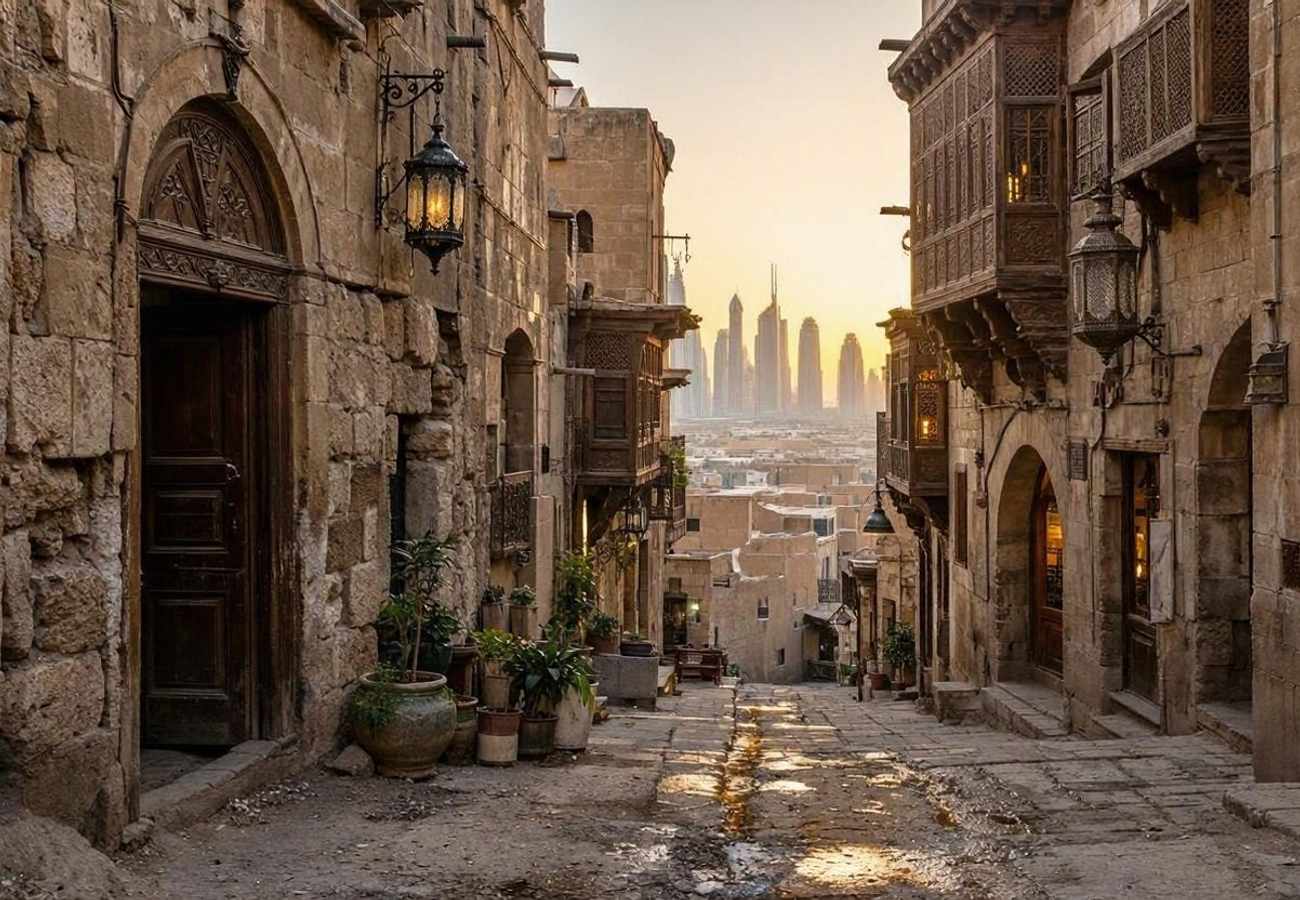
Image generated by AI
Over 22 million residents now inhabit Greater Cairo, creating a high-pressure environment where ancient heritage must coexist with an aggressive modern expansion. As of October 2026, the Egyptian capital is no longer simply managing growth; it is executing a total spatial restructuring to prevent the collapse of its historic core under the weight of record-breaking international arrivals.
The Decentralization Mandate and Vision 2030
The current state of Cairo is a direct result of decades of organic, often unmanaged, urban sprawl that consumed agricultural land and strained public utilities. To counter this, the Egyptian government has shifted from reactive containment to a proactive strategy of decentralization. Under the Egypt Vision 2030 framework, the state is constructing self-sustaining satellite cities on the desert outskirts.
This is not a mere housing project but a socio-economic pivot. By moving administrative and residential hubs away from the center, planners aim to reduce the chronic traffic congestion that has defined the city for generations. However, the transition faces a significant sociological hurdle: moving a population requires the simultaneous establishment of healthcare, education, and commercial ecosystems to make these new cities viable alternatives to the historic center.
2026 Tourism Economics and Infrastructure Strain
The financial success of Egypt's tourism sector has become a double-edged sword. The opening and operational maturity of the Grand Egyptian Museum (GEM) have repositioned West Cairo as a global focal point, bringing in massive foreign currency reserves but placing immense stress on local logistics.
The following data represents the official performance of the sector in the first half of 2026:
| Metric | 2026 Figure (Jan-June/Q1) | Comparison/Context |
|---|---|---|
| Total Tourism Revenue | $8 Billion (First Half) | Record High |
| International Arrivals (Q1) | 15.6% Increase | Compared to 2025 |
| Visitor Volume (First 4 Months) | 6.1 Million | 7% Rise over 2025 |
| 2030 Target Goal | 30 Million Visitors | Annual Target |
| Greater Cairo Population | 22+ Million | Total Metropolitan Area |
This influx of capital is managed through the Ministry of Tourism and Antiquities, yet the physical reality on the ground is one of friction. The surge in short-term rentals and boutique heritage lodgings has created a ripple effect in the residential market, driving up rental costs for local Cairenes in historically significant neighborhoods.
Expert Analysis: The Gentrification of Heritage
For travelers and investors, the current shift in Cairo represents a transition from "mass tourism" to "managed luxury and cultural curation." The government is treating the UNESCO World Heritage sites of Historic Cairo not as static museums, but as economic engines.
The direct consequence of the pedestrianization of historical corridors and the retrofitting of ancient districts is a rise in the "barrier to entry" for the average visitor. As the city prioritizes high-spending cultural tourists and business travelers to reach its $8 billion revenue milestones, we are seeing a calculated gentrification of the urban fabric.
The pricing pressure created by the demand for short-term accommodations means that the authentic, living community of central Cairo is being pushed toward the new satellite cities. This creates a risk: the "museumification" of the center, where the cultural glory remains, but the actual residents who provided the city's soul are relocated to the desert outskirts.
Key Takeaways
- Economic Windfall: Egypt generated $8 billion in tourism revenue in the first half of 2026, driven by a 15.6% jump in Q1 arrivals.
- Demographic Pressure: With 22 million people in Greater Cairo, the government is aggressively pushing population shifts toward new satellite cities.
- Infrastructure Pivot: The Grand Egyptian Museum is the primary catalyst for the redevelopment of West Cairo and the Giza plateau.
- Market Volatility: Increased demand for short-term tourist rentals is inflating residential property costs in the city's historic core.
- Strategic Goal: The state is scaling infrastructure to meet a target of 30 million annual visitors by 2030.
FAQ: Cairo Urban Development 2026
How is the tourism boom affecting hotel prices in Cairo? The surge in arrivals and the focus on luxury cultural tourism have increased demand for boutique and high-end hotels, leading to higher average daily rates in central and Giza-area accommodations.
What is the impact of the Grand Egyptian Museum on local travel? The GEM has shifted the tourist gravity toward West Cairo, easing some pressure on the city center but increasing traffic and infrastructure demand around the Giza plateau.
Are the new satellite cities viable for expats or digital nomads? While they offer superior infrastructure and modern housing, these cities currently lack the cultural density and organic networking hubs found in the historic center.
Is it still possible to visit Historic Cairo without crowds? Pedestrianization efforts have improved accessibility, but the 15.6% increase in visitors means peak hours at UNESCO sites are more congested than in previous years.
Cairo is no longer just a city of ruins, but a laboratory for the limits of urban endurance.
Related Travel Guides
Disclaimer
This article is for informational and educational purposes only. It does not constitute legal, financial, or professional advice. While we strive to provide accurate and up-to-date information, travel policies, regulations, and conditions change rapidly. Always verify information with official sources before making travel decisions. Nomad Lawyer makes no representations about the accuracy, reliability, completeness, or suitability of the information provided. Readers should consult qualified professionals for advice specific to their circumstances. The views expressed in this article are those of the author and do not necessarily reflect the views of Nomad Lawyer.
Preeti Gunjan
Contributor & Community Manager
A passionate traveller and community builder. Preeti helps grow the Nomad Lawyer community, fostering engagement and bringing the reader experience to life.
Learn more about our team →