
Hazardous Heatwave Strikes New Mexico, Montana, California, Nevada Before July 4th Travel Rush 2026
A dangerous heatwave is shifting westward across the US, threatening Independence Day travel in New Mexico, Montana, California, Nevada and more states with extreme temperatures and wildfire risks.

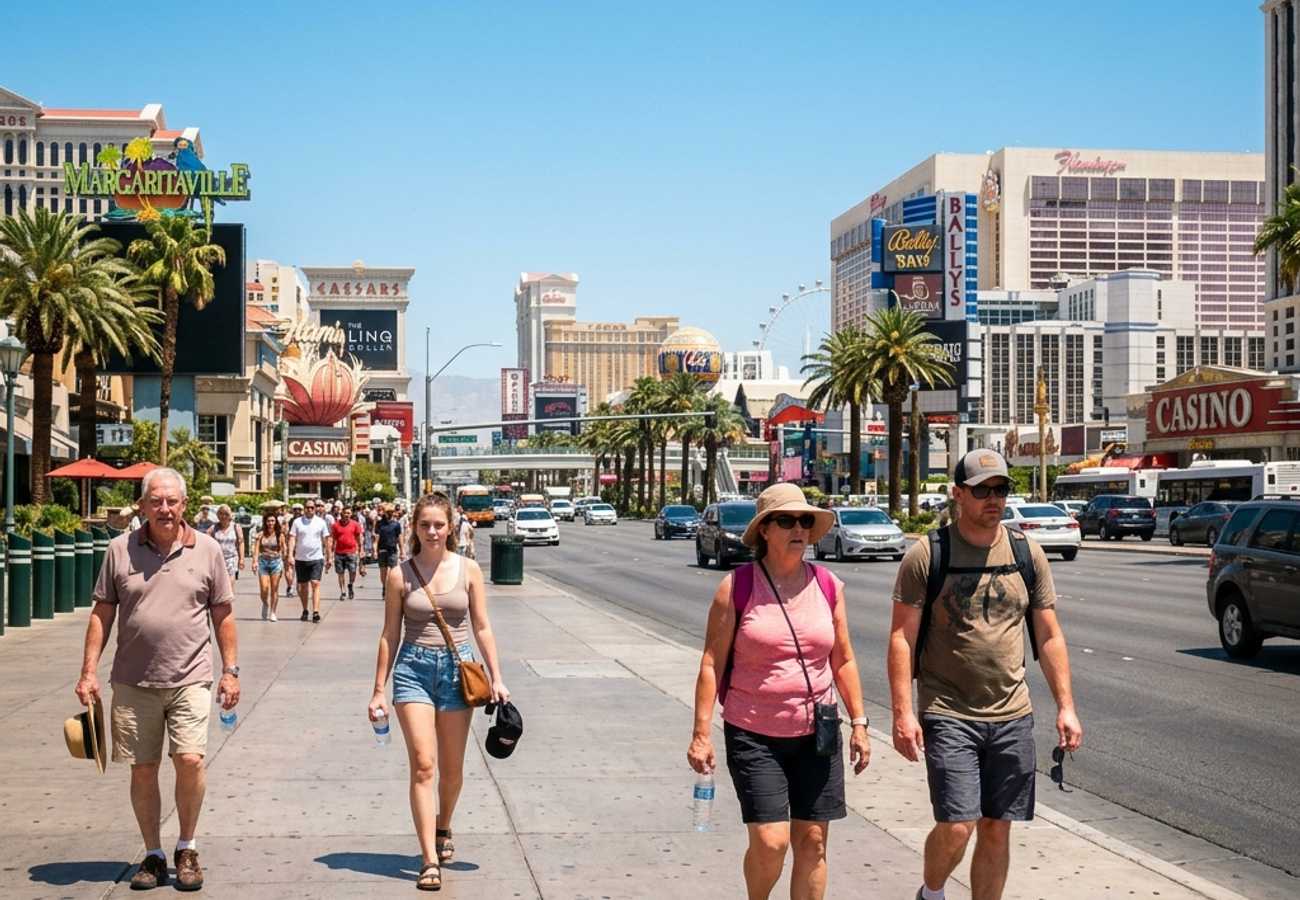
Image generated by AI
I have tracked weather disruptions across the American West for over two decades, and the pattern unfolding right now feels uncomfortably familiar. A massive high-pressure system that baked the central and eastern United States since late June is migrating westward. It is set to engulf the Rockies, Southwest, and Plains just as millions of Americans prepare for Independence Day getaways.
The timing could not be worse. New Mexico, Montana, California, Nevada, Arizona, Utah, Colorado, Wyoming, Idaho, and Oregon are all in the crosshairs. Forecasters expect temperatures to surge sharply through mid-July, creating a dangerous mix of extreme daytime heat, elevated wildfire danger, and deteriorating air quality.
I have been monitoring the National Weather Service advisories across these states, and the message is consistent. Travelers heading to iconic destinations need to prepare for conditions that could turn a holiday trip into a health hazard.
What Travelers Are Facing State by State
Let me break down what I am seeing across the most affected destinations.
California is bracing for a dramatic temperature swing. Areas that enjoyed 80s Fahrenheit in early July will jump into the 90s and beyond. Death Valley National Park, Yosemite, Lake Tahoe, and Sacramento all face dangerous hiking conditions, increased wildfire risk, and poor air quality. Trail restrictions are likely.
Nevada will see Las Vegas and Red Rock Canyon National Conservation Area push past 40°C (104°F). Daytime outdoor activities become genuinely dangerous in those conditions. I have walked the Strip in 110-degree heat, and I can tell you that even short distances between casinos feel punishing.
Arizona is the epicenter. Phoenix routinely exceeds 100°F, but the sustained nature of this heat event raises the stakes. Grand Canyon National Park and Sedona face hiking restrictions, and the monsoon transition could bring lightning-triggered wildfires later in July.
Utah's Zion, Bryce Canyon, and Arches National Parks face unsafe daytime hiking conditions. Flash flood risk increases once monsoon storms arrive, creating a double-edged threat.
Colorado travelers heading to Denver and Rocky Mountain National Park should expect wildfire smoke and poor mountain visibility. I have driven I-70 during smoke events, and the normally breathtaking views become a gray wall.
New Mexico faces wildfire danger and dry thunderstorms during the monsoon transition. Santa Fe, Albuquerque, and Carlsbad Caverns National Park visitors need to monitor conditions daily.
Wyoming, Idaho, Montana, and Oregon share a common threat. Smoke from regional wildfires could reduce visibility and affect outdoor recreation at Yellowstone, Grand Teton, Glacier National Park, Sawtooth National Recreation Area, and Crater Lake National Park.
"I was at Zion last July during the heatwave. Rangers closed Angels Landing at 10 AM because the rock surface was literally burning through hiking boots. If you are going, start at 5 AM or skip the hike entirely." — u/desert_trekker_88 on r/travel
Why the Heat Is Moving West
The science is straightforward. A powerful high-pressure ridge that dominated the central and eastern United States is expanding westward. Western states enjoyed an unusually cool start to July, with several locations sitting below seasonal averages. That brief respite is ending.
The expanding ridge will establish itself across the Southwest first, then stretch into the Rockies and Plains. Cities that felt comfortable in early July will face sharp temperature increases. The National Oceanic and Atmospheric Administration climate models show this pattern holding through mid-July.
Health Risks Are Real
I want to be direct about this. Prolonged exposure to extreme heat increases the likelihood of heat exhaustion and heatstroke. Older adults, children, outdoor workers, and people with underlying medical conditions face the highest risk.
Higher daytime temperatures will also strain electricity grids as air conditioning demand spikes. Utility providers may experience pressure during peak afternoon and evening hours. Rolling blackouts are not impossible.
If you are planning outdoor activities, hydration is non-negotiable. Avoid strenuous activity during the hottest part of the day, typically between 11 AM and 4 PM. I carry a gallon of water in my vehicle at all times during summer travel in these regions.
Wildfire Danger Remains Elevated
Numerous wildfires are already burning across the western United States. The Four Corners region has been particularly active. Hot, dry weather reduces vegetation moisture, leaving forests, grasslands, and shrubland highly combustible.
Smoke from active wildfires can travel hundreds or even thousands of miles depending on wind patterns. I have seen smoke from California fires reach Denver and turn the sky orange. People in smoke-affected areas may experience respiratory irritation. Vulnerable groups with asthma or heart disease face increased health complications.
The Interagency Fire Center provides daily updates on active fires and air quality advisories. Check it before you travel.
The Monsoon Complication
Later in July, the annual North American monsoon should become more established across the Southwest. Moisture from surrounding oceans moves inland, bringing increased humidity, cloud development, and afternoon thunderstorms.
Here is the catch. During the early stages of the monsoon, thunderstorms often produce abundant lightning but little rainfall. These dry thunderstorms are a major wildfire risk. Lightning strikes ignite dry vegetation without delivering enough rain to extinguish the fires.
The transition from dry heat to humid conditions may temporarily increase wildfire starts rather than reducing them. Dust storms and strong winds add another layer of danger. Thunderstorms generate powerful downdrafts that produce sudden, intense wind gusts capable of lifting vast quantities of loose dust into the atmosphere.
Practical Visitor Guide
Best Times to Visit During the Heatwave: Start outdoor activities before 6 AM and finish by 10 AM. Evening activities after 6 PM are your second window. Avoid midday exposure entirely. I have hiked Grand Canyon's South Kaibab Trail at 5 AM in July, and even that felt warm by the time I reached the halfway point.
Local Safety Considerations: Carry at least one gallon of water per person per day. Wear lightweight, light-colored clothing and a wide-brimmed hat. Download the FEMA app for emergency alerts. Keep your gas tank above half full. Wildfire evacuation routes can shift rapidly, and I have personally been rerouted three times in a single trip through California.
Budget Expectations: Hotel rates in cooler destinations like coastal California and higher-elevation mountain towns will surge as travelers flee the heat. Expect 20 to 40 percent premiums over standard July rates in places like Flagstaff, Santa Fe, and Lake Tahoe. National Park entrance fees remain standard, but guided tours may charge hazard premiums. Stock up on water and supplies at grocery stores rather than gas stations. The price difference can be three to four times.
Air Quality Monitoring: Check AirNow.gov daily for particulate matter readings. Anything above 150 AQI means unhealthy air. Above 200 is very unhealthy. I carry N95 masks specifically for smoke conditions, and they make a genuine difference when air quality drops.
Flight and Road Trip Planning: Book flexible fares. Heat can cause flight delays at Las Vegas McCarran and Phoenix Sky Harbor. Road surfaces on secondary highways can buckle in extreme heat. Stick to interstates when possible. Monitor state DOT websites for road closures and fire-related detours.
Travel smart, stay hydrated, and remember that no destination is worth a hospital visit or worse. The American West will still be there in October when temperatures drop and the air clears.
Related Travel Guides
Disclaimer
This article is for informational and educational purposes only. It does not constitute legal, financial, or professional advice. While we strive to provide accurate and up-to-date information, travel policies, regulations, and conditions change rapidly. Always verify information with official sources before making travel decisions. Nomad Lawyer makes no representations about the accuracy, reliability, completeness, or suitability of the information provided. Readers should consult qualified professionals for advice specific to their circumstances. The views expressed in this article are those of the author and do not necessarily reflect the views of Nomad Lawyer.
Preeti Gunjan
Contributor & Community Manager
A passionate traveller and community builder. Preeti helps grow the Nomad Lawyer community, fostering engagement and bringing the reader experience to life.
Learn more about our team →