
Chiang Mai Is Choking: Wildfires, Toxic Haze and Deserted Temples Hit Thailand's Tourism Jewel

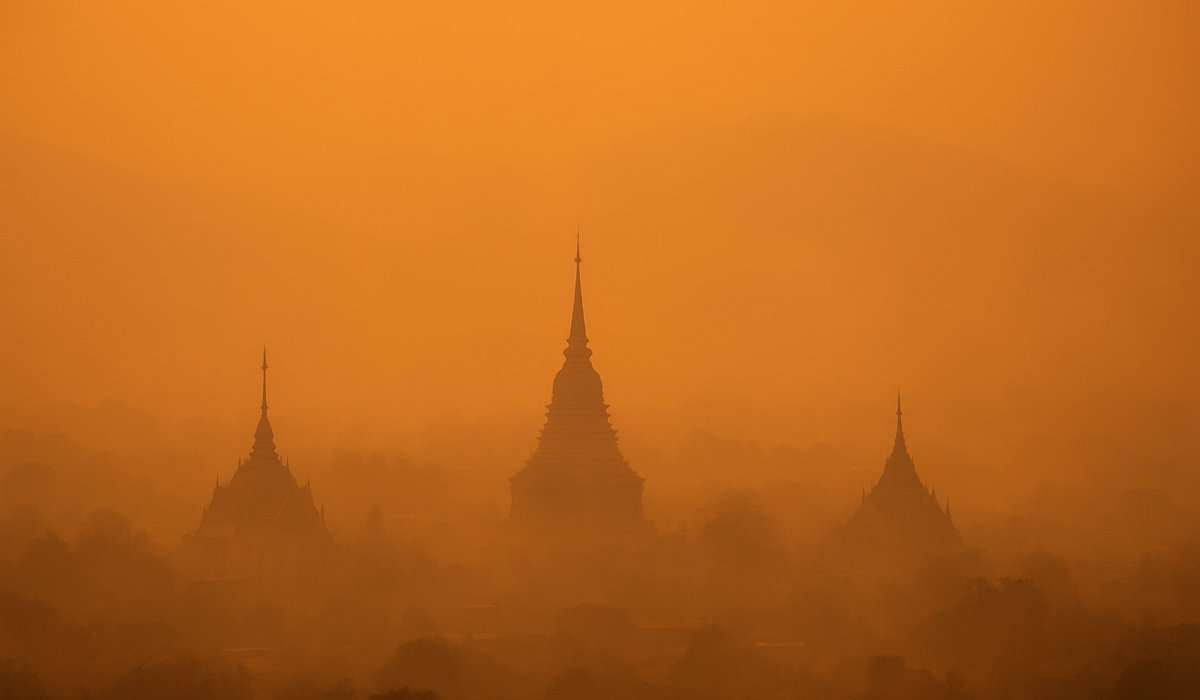
Image generated with AI
**> Quick Summary
- Thousands of wildfire hotspots detected across Chiang Mai province since early January 2026
- Districts Samoeng and Hot officially declared disaster zones by the provincial governor
- PM2.5 pollution has climbed to levels classified as "very unhealthy" for the general population
- Hotels and tour operators are reporting rising cancellations and anxious visitor enquiries
- Authorities have deployed "clean air rooms", mobile clinics, and firefighting helicopters**
In the cool morning light, Chiang Mai should be waking to the sound of temple bells and mist rolling over green mountains. Instead, families across this beloved northern Thai city are pulling on masks, shutting their windows tight, and wondering how long they can keep breathing in smoke-laden air.
What began as the annual seasonal haze that northern Thailand's residents have learned to endure has escalated into a genuine humanitarian and ecological crisis. An expanding ring of wildfires around Chiang Mai, combined with official disaster declarations in two districts and PM2.5 air quality readings that briefly placed the city among the most polluted places on earth, has transformed one of Southeast Asia's most cherished travel destinations into a region on edge.
Thousands of Fire Hotspots Signal an Extreme Burning Season
According to official briefings from Thai provincial and national authorities, thousands of forest and agricultural fire hotspots have been detected across Chiang Mai province since early January 2026 — a volume that signals an unusually intense and prolonged burning season.
Multiple districts have seen persistent fire activity, with lines of flame advancing along ridges and hillsides that are normally promoted as scenic "sea of mist" viewpoints in tourism campaigns:
- Mae Taeng
- Samoeng
- Chiang Dao
- Phrao
- Doi Saket
- Hot
Authorities have consistently warned that a combination of high temperatures and a prolonged absence of meaningful rainfall is helping the fires spread rapidly while preventing the thick blanket of haze from lifting between burning episodes.
Samoeng and Hot Formally Declared Disaster Zones
The situation reached a critical threshold when the provincial governor moved to formally designate Samoeng and Hot as official disaster zones. This step activates emergency budgets, unlocks faster relief procedures, and initiates formal damage assessments for affected communities throughout both districts.
Local administrations across the affected areas — including Samoeng Tai, Mae Sap, Samoeng Nuea, Yang Moen, Hang Dong, Ban Tan, Na Kho Ruea, Hot, Bo Luang, and Bo Sali — have been instructed to survey damage to homes, agricultural land, and forest edges urgently, and to register residents requiring immediate support.
Those in need include:
- Families who have lost crops to advancing fire lines
- Residents whose homes are threatened by encroaching flames
- Villagers whose livelihoods — such as tourism homestays or small farm operations — have been rendered unviable by the sustained choking air quality
Toxic PM2.5 Levels Are a Serious Public Health Crisis
Alongside the visible flames, an invisible danger is making the situation even more dangerous. Government-operated monitoring stations and public air-quality platforms have recorded PM2.5 pollution — microscopic airborne particles considered most damaging to lung tissue — climbing to levels officially classified as "very unhealthy" for the general population.
The risk is particularly severe for:
- Children and infants
- Elderly residents
- Individuals with pre-existing heart or lung conditions
The Ministry of Public Health and provincial health offices have repeatedly urged residents to:
- Avoid outdoor activity during peak pollution hours
- Wear high-filtration masks whenever leaving home
- Seek medical attention immediately if experiencing breathing difficulties, chest tightness, or persistent eye and throat irritation
"Clean Air Rooms" and Mobile Clinics Provide a Lifeline
To cushion the health impact for those who cannot leave the affected areas, authorities have established a growing network of "clean air rooms" — indoor spaces equipped with professional air filtration systems — across Chiang Mai and the broader northern region.
Public health teams and local disaster-prevention units are also deploying mobile medical services to hard-hit rural communities where residents have fewer options to escape the smoke. These mobile teams are:
- Checking on vulnerable residents who cannot travel
- Distributing high-filtration masks
- Providing guidance on creating makeshift clean air spaces at home using fans and simple filter materials
Firefighters and Volunteers Battle the Flames 24 Hours a Day
Beyond the public health response, disaster-management agencies have significantly scaled up firefighting operations. Fire crews, soldiers, park rangers, and community volunteers are hiking into steep and difficult forest terrain to build firebreaks, douse active hotspots, and prevent flames from jumping into villages and farmland.
Water trucks are being staged at strategic points near reservoirs and road-accessible trails, allowing ground teams to refill quickly. Helicopters have been placed on standby for water-bombing runs when conditions permit, though dense smoke and unpredictable wind shifts frequently limit airborne operations.
Open Burning Bans and the Underlying Causes
Authorities are also attempting to address the root causes of the crisis. Government statements repeat warnings about strict bans on open burning during the peak haze season, with fines and legal action threatened for those who deliberately ignite fields or forest plots.
At the same time, officials candidly acknowledge that enforcement in remote areas is challenging, particularly where farmers rely on fire as their primary land-clearing method. Further complicating the picture, cross-border smoke drift from neighbouring countries can push pollution levels higher even when domestic burning is controlled.
Longer-term policy discussions center on:
- Supporting alternative land-clearing methods for farmers
- Promoting different crop practices to reduce burning incentives
- Improving coordinated response with neighboring governments on transboundary haze management
Tourism: Cancellations and a Damaged International Image
For Chiang Mai's tourism industry, the crisis has arrived at the worst possible time. Images of the city wrapped in grey air — mountain views erased, popular viewpoints ringed by fire lines — have spread rapidly across international media and social platforms.
Hotel and tour operators are reporting rising cancellations and increasingly anxious enquiries from prospective visitors who have seen the real-time air quality rankings. Local tourism offices and national agencies are now walking a difficult line: urging honesty about current conditions while hoping that rapid fire suppression and seasonal weather changes will eventually restore the clear blue skies that draw millions of travelers to Chiang Mai each year.
Daily Life in Smoke-Filled Chiang Mai
On the ground, life continues — but with a new, difficult rhythm. Parents time school runs and market visits for the brief windows when air seems marginally clearer. Street vendors tape cloth over stalls to keep ash and particulates out of their food. Monks at hillside temples chant prayers behind closed doors while volunteers patrol nearby forest paths for signs of fresh ignition.
Public-information campaigns encourage residents to check official air-quality updates regularly, use government emergency hotlines to report new fires, and support community initiatives aimed at protecting forests from illegal burning.
Hope Amid the Haze
As Chiang Mai waits for the wind to change and the first meaningful rains to quench the flames, the mood is a mix of exhaustion, fear, and quiet resilience. Families are sharing air purifiers with neighbors. Community groups are working with officials to plan hillside reforestation and rehabilitation once the crisis passes.
For many residents, this year's catastrophe is a painful but clarifying reminder that the city's future — and the health of its people — depends on difficult choices about land use, agriculture, and regional environmental cooperation. The hope, deeply human and simply stated, is that next burning season's children will wake to mist over green mountains rather than the sting of ash in their throats.
Source: Travel And Tour World
Related Travel Guides
- Alaska Airlines to Launch Portland to Steamboat Springs Nonstop Flights
- airBaltic launches route from Palanga to Tenerife in October 2026
- Global Aviation’s New Ground War: JFK, Dubai, and Singapore Changi Face Rising Pressure for Specialized 'Taxi Pilot' Operations to Combat Travel Chaos and Hub Disruptions
Disclaimer
This article is for informational and educational purposes only. It does not constitute legal, financial, or professional advice. While we strive to provide accurate and up-to-date information, travel policies, regulations, and conditions change rapidly. Always verify information with official sources before making travel decisions. Nomad Lawyer makes no representations about the accuracy, reliability, completeness, or suitability of the information provided. Readers should consult qualified professionals for advice specific to their circumstances. The views expressed in this article are those of the author and do not necessarily reflect the views of Nomad Lawyer.
Kunal K Choudhary
Co-Founder & Contributor
A passionate traveller and tech enthusiast. Kunal contributes to the vision and growth of Nomad Lawyer, bringing fresh perspectives and driving the community forward.
Learn more about our team →