
Canada Flight Crisis: 329 Delays and 32 Cancellations Hit Air Canada, WestJet and Porter Airlines

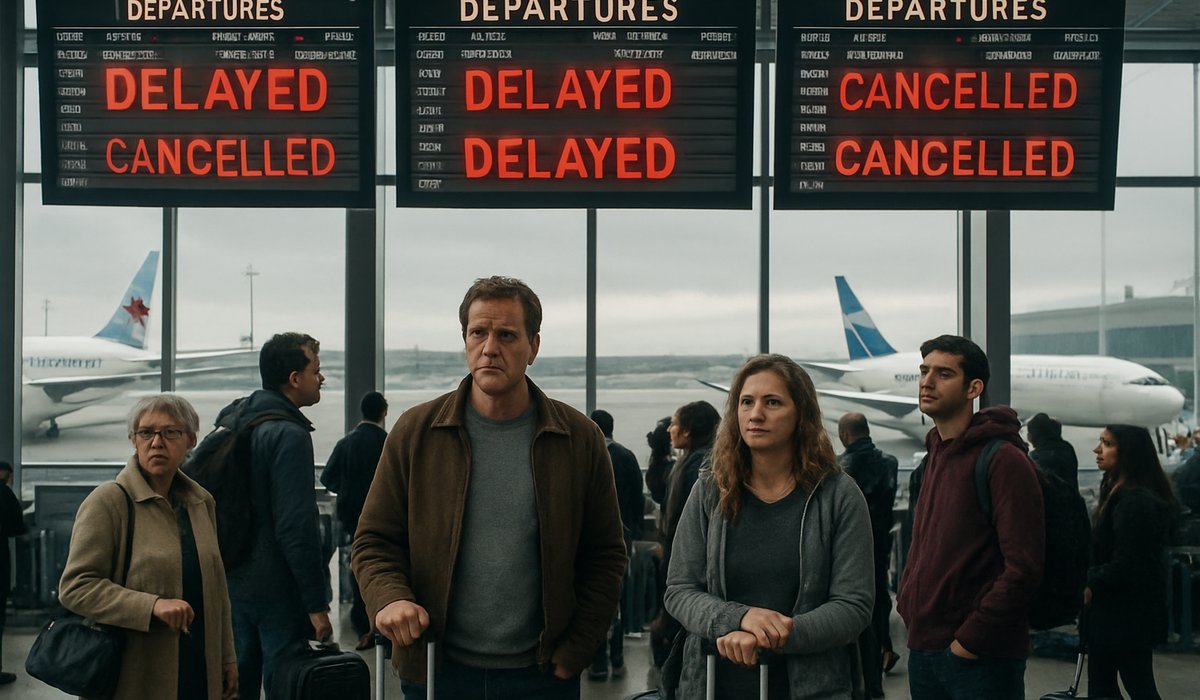
Image generated with AI
**> Quick Summary
- 329 delays and 32 cancellations across Canada's major airports on March 31, 2026
- Toronto Pearson was Canada's most disrupted airport with 145 delays and 5 cancellations
- Montreal–Trudeau led all airports in cancellations with 14 flights grounded
- Air Canada accounted for the majority of cancellations nationally, with 15 flights cancelled
- Jazz (ACA) recorded over 10 cancellations; WestJet contributed heavily to delays especially in western hubs**
Hundreds of air travelers across Canada were left dealing with disrupted itineraries, missed connections, and extended airport waits on March 31, 2026, as flight disruptions surged through the country's busiest aviation hubs.
A total of 329 delays and 32 cancellations were recorded across Toronto Pearson, Vancouver International, Montreal–Trudeau, Calgary International, Ottawa Macdonald-Cartier, and Toronto City Centre Airport — creating a cascading wave of disruption that left passengers stranded from coast to coast.
The most heavily impacted carriers were Air Canada, Jazz (ACA), WestJet, WestJet Encore, Porter Airlines, Air Canada Rouge, and Pacific Coastal Airlines.
Airport-by-Airport: Where the Disruptions Were Worst
Toronto Pearson International Airport — Canada's Hardest Hit
Toronto Pearson recorded the highest disruption volume in the country by a significant margin, with 145 delays and 5 cancellations — a combined total of 150 separate incidents affecting scheduled operations. Air Canada contributed the majority of both delays and cancellations at this mega-hub, with additional pressure from smaller regional carriers adding to the backlog.
Montreal–Trudeau International Airport — Cancellation Leader
Montreal–Trudeau stood out as the airport with the highest cancellation count nationally, recording 56 delays and 14 cancellations in a single day. All cancellations were directly tied to the Air Canada carrier group — specifically Air Canada mainline and Jazz operations.
Vancouver International Airport
Vancouver experienced 64 delays and 4 cancellations, with disruptions driven primarily by Air Canada mainline and WestJet Encore operations, alongside contributions from other regional carriers serving Canada's west coast hub.
Calgary International Airport
Calgary recorded 26 delays and 3 cancellations, with WestJet and WestJet Encore responsible for most of the city's delay volume, while Air Canada accounted for the bulk of the cancellations.
Ottawa Macdonald–Cartier International Airport
Ottawa logged 20 delays and 1 cancellation. Porter Airlines was the leading delay contributor at this eastern Canada regional hub, while Jazz was responsible for the single cancellation recorded.
Toronto City Centre Airport
Toronto's smaller downtown airport reported 18 delays and 5 cancellations, with all cancellations attributed to Jazz operations. Delays were split between Porter Airlines and Jazz, making both carriers significant contributors to disruptions at this commuter-focused airport.
Airlines Most Affected: The Full Breakdown
Air Canada — The Dominant Disruption Force
Air Canada recorded the highest disruption levels nationally, with significant delays across all major hubs and 15 cancellations concentrated most heavily at Toronto and Montreal. As Canada's largest carrier and the dominant operator at most affected airports, Air Canada's operational challenges had an outsized impact on the overall national disruption figure.
Jazz (ACA)
Jazz played a major structural role in the day's cancellations, accounting for over 10 cancellations across Montreal–Trudeau, Ottawa, and Toronto City Centre. As a feeder carrier for Air Canada's regional network, Jazz's disruptions directly affected passengers connecting to international Air Canada flights.
WestJet
WestJet contributed heavily to Canada's delay volume, particularly across Calgary and Vancouver, with consistent operational slowdowns recorded throughout the day but comparatively minimal cancellations.
WestJet Encore
WestJet's regional arm, WestJet Encore, added substantial delay volume — particularly in western Canada — reinforcing the overall operational impact of the broader WestJet carrier group across British Columbia and Alberta.
Porter Airlines
Porter Airlines emerged as a major delay contributor at eastern Canada's regional airports, with particular impact felt at Ottawa Macdonald-Cartier and Toronto City Centre — the two hubs where Porter has its strongest presence.
Air Canada Rouge
Air Canada Rouge contributed to the broader network disruptions affecting Toronto and Montreal, adding delays to the Air Canada group's already significant footprint across both mega-hubs.
Pacific Coastal Airlines
Pacific Coastal Airlines, a smaller regional carrier based in British Columbia, contributed to cancellations at Vancouver and added minor delays — standing out among the day's smaller carrier impacts.
What Can Stranded Passengers Do?
If you are currently dealing with flight disruptions at any of Canada's affected airports, here are the most effective immediate steps to take:
- Check your flight status online before leaving for the airport — apps for Air Canada, WestJet, and Porter Airlines all provide real-time updates that outpace airport departure boards
- Call airline customer service or use the airline app immediately to get on a rebooking queue — airport service desk lines at Pearson and Montreal–Trudeau typically become very long during large-scale disruption events
- Arrive early at busy hubs like Montreal–Trudeau or Calgary International to give yourself maximum buffer time
- Keep all travel documents physically and digitally accessible at all times throughout the airport process
- Monitor airport announcements at locations like Ottawa or Toronto City Centre where smaller gate changes may propagate quickly
- Consider flexible rebooking if your journey is time-sensitive and later same-day or next-day options are available
Overview: What This Day's Disruptions Reveal
Today's disruptions across Canada's aviation network reveal deep structural dependencies that make the entire system vulnerable when the dominant carriers — particularly the Air Canada group — face operational pressure simultaneously.
Toronto Pearson and Montreal–Trudeau, as Canada's two busiest international airports, bore the heaviest burden. Vancouver and Calgary experienced predominantly delay-heavy conditions with fewer outright cancellations. Across all locations, the Air Canada network's operational challenges played a central, defining role in the overall national cancellation figure, while WestJet, Porter, and regional partners drove much of the delay volume.
For passengers and industry observers alike, today's figures are a reminder that even in relatively settled operational conditions, Canada's hub-centric aviation system can generate significant ripple effects very quickly.
Source: FlightAware and multiple Canadian airport authorities
FAQ
Why were so many flights cancelled at Montreal–Trudeau specifically? Montreal–Trudeau recorded 14 cancellations — the highest of any Canadian airport on March 31, 2026. All cancellations were attributed to the Air Canada carrier group, specifically Air Canada mainline and Jazz operations.
Which Canadian airline cancelled the most flights today? Air Canada (including Air Canada mainline and Jazz operations under ACA) accounted for the majority of Canada's 32 total cancellations, with 15 directly attributed to the Air Canada group.
Is Toronto Pearson airport operational? Yes, Pearson remains operational. However, 145 delays and 5 cancellations were recorded on March 31, 2026. Passengers should check the latest flight status directly with their airline before traveling to the airport.
Do Canadian passengers have compensation rights for these delays? Canadian air passenger protection regulations do provide for compensation in certain delay and cancellation scenarios. Eligibility depends on the cause of the disruption and the length of delay. Check the Canadian Transportation Agency's Air Passenger Protection Regulations for full details.
Related Travel Guides
- Toronto Pearson Airport Hits Massive Travel Setback as Air Canada and Jazz Aviation Cancel 13 Flights Disrupting North American Routes
- Boeing's 747-8 and 787 Dreamliner Share Engine DNA—But Not Identical Powerplants
- Lufthansa, KLM, British Airways Suspend Dubai Flights Through May 31: What Travelers Need to Know
Disclaimer
This article is for informational and educational purposes only. It does not constitute legal, financial, or professional advice. While we strive to provide accurate and up-to-date information, travel policies, regulations, and conditions change rapidly. Always verify information with official sources before making travel decisions. Nomad Lawyer makes no representations about the accuracy, reliability, completeness, or suitability of the information provided. Readers should consult qualified professionals for advice specific to their circumstances. The views expressed in this article are those of the author and do not necessarily reflect the views of Nomad Lawyer.
Kunal K Choudhary
Co-Founder & Contributor
A passionate traveller and tech enthusiast. Kunal contributes to the vision and growth of Nomad Lawyer, bringing fresh perspectives and driving the community forward.
Learn more about our team →