
Thailand Hotels Face Perfect Storm as Airfares, Energy Costs Threaten Songkran Season
Rising flight costs and surging energy prices are threatening Thailand's crucial Songkran tourism season (April 13–15, 2026). Hoteliers are calling for government intervention to support domestic travel as the high season approaches.

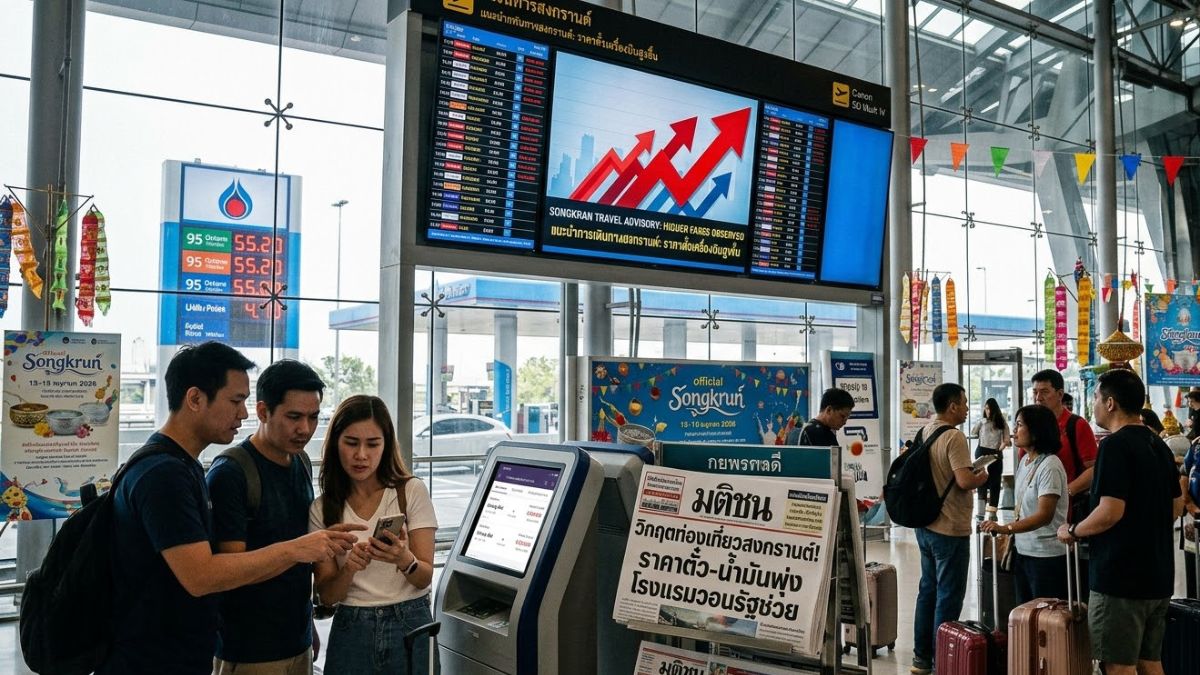
Image for illustrative purposes
Quick Summary
- The Crisis: Thailand's hotel sector faces a dual threat from soaring airfares and record energy costs just weeks before Songkran 2026 (April 13–15)
- Peak Season at Risk: The festival traditionally drives millions of domestic and international visitors; rising costs threaten bookings and occupancy rates
- Hoteliers' Call: Industry leaders are urging the Thai government to implement emergency support measures for domestic travel and energy subsidies
- Timeline: With less than four weeks until the festival begins, action is needed immediately to salvage the critical high-season revenue window
Thailand's Hotel Industry Faces Energy and Airfare Crisis Ahead of Songkran 2026
Thailand's hospitality sector is bracing for a challenging Songkran season as two converging crises—skyrocketing airline ticket prices and surging energy costs—threaten to derail what should be one of the year's most profitable travel periods. Industry leaders are sounding the alarm, warning that without immediate government intervention, the nation's tourism economy could face significant losses during the April 13–15 festival window.
Songkran, Thailand's Thai New Year celebration, is among the world's most anticipated cultural events, traditionally drawing millions of domestic and international visitors to destinations across the country. This year's festival will span three days from April 13–15, with major celebrations planned in five signature provinces—Chiang Mai, Khon Kaen, Chon Buri, Samut Prakan, and Nakhon Si Thammarat—plus 13 additional recommended destinations. Bangkok and beach destinations like Phuket will also host extensive festivities, including water-play events on Khao San Road and cultural ceremonies across 50 temples in 50 districts.
However, the convergence of rising airfares and energy expenses is creating a perfect storm that threatens to undermine what should be a banner revenue season for Thailand's hotel industry.
Rising Flight Costs Deterring Domestic and International Travelers
Airline ticket prices have climbed significantly in recent weeks, making travel to Thailand more expensive for both international visitors and domestic passengers. For domestic travelers—a crucial market segment during Songkran—elevated airfares are reducing affordability and dampening travel intentions across key routes to festival destinations like Chiang Mai, Phuket, and Khon Kaen.
International visitors, already facing higher overall travel costs, are also reconsidering trip timing or reducing trip length due to inflated ticket prices. This pricing pressure comes at a particularly vulnerable moment, as hotels have already factored in strong Songkran bookings into their annual revenue projections.
Energy Prices Squeeze Hotel Operating Margins
Simultaneously, Thailand's hotels are grappling with unprecedented energy costs. Running large hospitality operations—especially during high-occupancy periods when air conditioning, lighting, and facilities operate at peak capacity—requires massive electricity consumption. Rising energy prices directly compress operating margins, forcing hoteliers to absorb costs or risk passing them on to guests through higher room rates, which further dampens demand.
For mid-range and budget properties, energy cost inflation is particularly acute, as these segments operate on tighter profit margins and have less flexibility to absorb cost increases without impacting competitiveness.
Hoteliers Urge Government Support for Domestic Tourism
Industry representatives are calling on the Thai government to implement emergency measures to shore up domestic travel during Songkran. Proposed interventions include:
- Domestic travel subsidies to reduce effective airfare costs for Thai citizens traveling to festival destinations
- Energy price controls or subsidies to stabilize hotel operating costs
- Tax incentives for hotels offering discounted Songkran packages
- Coordination with airlines to stabilize ticket pricing during the peak festival window
The hotel industry's appeal reflects the high stakes: Songkran typically generates substantial revenue for Thailand's tourism sector, and a weak performance this year could have cascading effects on employment, local economies, and annual tourism targets.
Broader Context: Songkran's Economic Importance
Songkran represents far more than a cultural celebration—it is a critical economic engine for Thailand. The festival draws visitors to hotels, restaurants, transportation services, and retail establishments across the country. In 2026, with the Ministry of Culture actively promoting Songkran under the theme "Songkran Ban Chan – Thai Colours, Happiness Across the World," expectations for strong visitor numbers are high.
Chon Buri's extended Wan Lai water festivals—which stretch Songkran celebrations from April 5 through April 20 across multiple districts—create an even longer tourism opportunity window, traditionally attracting large visitor volumes. Similarly, beach destinations like Phuket and Bangkok's central business district rely heavily on Songkran-period tourism to drive annual revenue.
Timeline and Urgency
With Songkran beginning in less than four weeks (April 13, 2026), the window for government action is narrow. Hotels have already committed to staffing, inventory, and operational planning based on anticipated occupancy levels. If bookings decline due to high airfares and energy costs, properties will face underutilization and margin pressure with little time to adjust.
Key Facts at a Glance
| Metric | Detail |
|---|---|
| Festival Dates | April 13–15, 2026 (Monday–Wednesday) |
| Extended Celebrations | Chon Buri's Wan Lai festivals run April 5–20 across multiple districts |
| Signature Destinations | Chiang Mai, Khon Kaen, Chon Buri, Samut Prakan, Nakhon Si Thammarat |
| Additional Recommended Cities | 13 provinces including Phuket, Bangkok, Chiang Rai, Phuket, Kanchanaburi |
| Bangkok Events | Wat Suthat, Fashion Island, Terminal 21 (two locations), Central Pinklao, 50 temples across 50 districts |
| Industry Challenge | Rising airfares + surging energy costs threatening hotel occupancy and margins |
| Government Response Needed | Travel subsidies, energy price controls, tax incentives, airline coordination |
What This Means for Travelers
If airfares remain elevated and energy-related hotel cost increases are passed to guests, travelers can expect higher overall trip costs during Songkran 2026. However, if the government implements support measures—particularly domestic travel subsidies—pricing may stabilize and package deals may emerge as hotels compete for volume.
Travelers planning Songkran trips should:
- Book early to lock in current airfares before potential further increases
- Monitor airline promotions and government subsidy announcements
- Consider package deals bundling flights and hotels, which may offer better value than booking separately
- Explore alternative travel dates in early April (before April 13) or late April (during extended Wan Lai festivals) if prices are lower
- Check official tourism websites for government-backed promotions or discounts
Challenges and Risks
Structural headwinds: Global energy prices and airline fuel costs are largely beyond Thailand's direct control, limiting the effectiveness of domestic subsidies alone.
Timing constraints: With less than four weeks until Songkran, government policy implementation faces logistical and bureaucratic delays.
Competitive pressure: If Thailand's costs remain high relative to regional competitors (Vietnam, Cambodia, Laos), international visitors may shift trips to lower-cost destinations.
Margin compression: Even with government support, hotels may face persistent margin pressure if energy costs remain elevated.
Frequently Asked Questions
How will rising airfares affect Songkran 2026 bookings? Elevated flight costs reduce affordability for both domestic and international travelers, potentially lowering overall visitor numbers during the festival. Domestic travelers—a key market segment—are particularly price-sensitive, making airfare increases a significant headwind for hotel occupancy rates during April 13–15.
Is the Thai government planning subsidies or price controls? As of March 18, 2026, the Thai government has not formally announced emergency measures. However, industry calls for domestic travel subsidies, energy price controls, and tax incentives are being actively discussed. Travelers should monitor official announcements from the Tourism Authority of Thailand (TAT) and the Ministry of Culture for updates.
Which Songkran destinations are most at risk? All five signature provinces—Chiang Mai, Khon Kaen, Chon Buri, Samut Prakan, and Nakhon Si Thammarat—plus Bangkok and Phuket face potential occupancy challenges if airfares deter visitors. Regional destinations relying heavily on domestic travel (Khon Kaen, Nakhon Si Thammarat) may be particularly vulnerable to airfare-driven booking declines.
Will hotels raise room rates to offset energy costs? Some hotels may increase rates to protect margins, but doing so during a period of dampened demand due to high airfares could backfire, further reducing bookings. Expect mixed pricing strategies: premium properties may hold rates steady to maintain occupancy, while mid-range and budget properties may face the most acute margin pressure.
Related Travel Guides
Complete Songkran 2026 Festival Guide: Where to Celebrate Thailand's Thai New Year
Phuket Songkran 2026: Water Festivals, Beach Celebrations, and Cultural Events
Bangkok Songkran 2026: Khao San Road, Temple Ceremonies, and City-Wide Celebrations
Disclaimer
This article is for informational and educational purposes only. It does not constitute legal, financial, or professional advice. While we strive to provide accurate and up-to-date information, travel policies, regulations, and conditions change rapidly. Always verify information with official sources before making travel decisions. Nomad Lawyer makes no representations about the accuracy, reliability, completeness, or suitability of the information provided. Readers should consult qualified professionals for advice specific to their circumstances. The views expressed in this article are those of the author and do not necessarily reflect the views of Nomad Lawyer.
Kunal K Choudhary
Co-Founder & Contributor
A passionate traveller and tech enthusiast. Kunal contributes to the vision and growth of Nomad Lawyer, bringing fresh perspectives and driving the community forward.
Learn more about our team →