
Charleston Travelers Grounded Across Southeast Hub Cities
Charleston, Atlanta, and Charlotte airports face major flight disruptions in March 2026. Delta, Southwest, and American Airlines hit hardest. 28 delays and 6 cancellations at CHS. What passengers need to know.

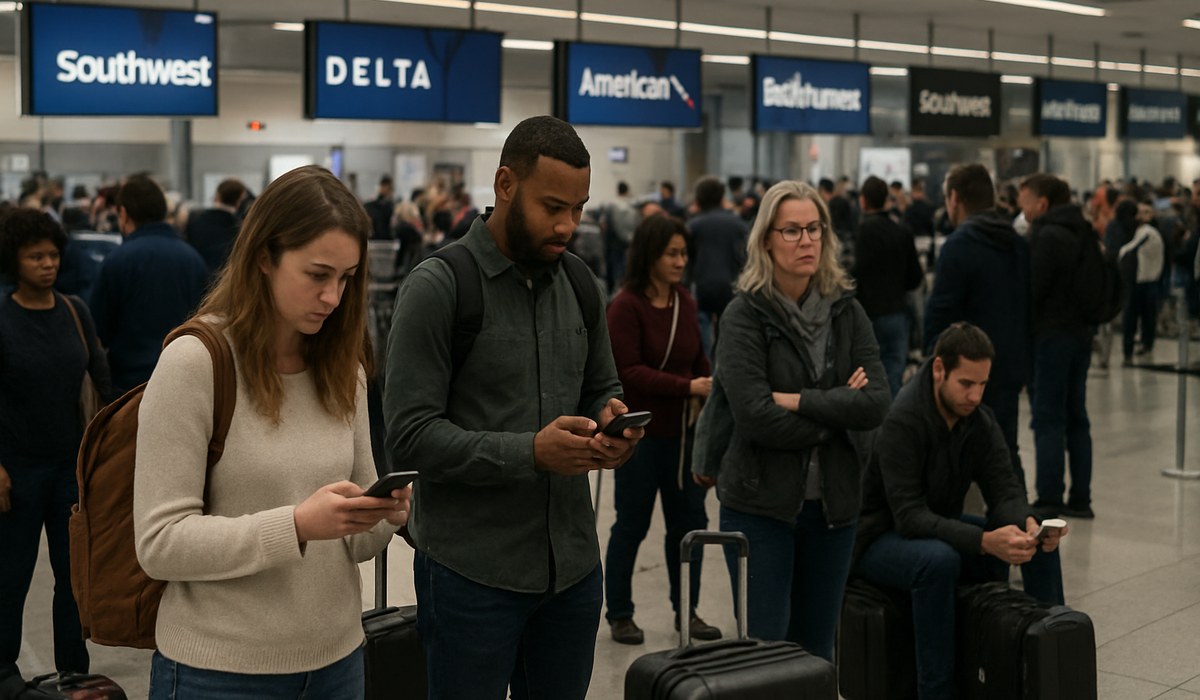
Image generated by AI
**> Quick Summary
- Charleston International Airport (CHS) recorded 28 delays and 6 cancellations on March 30, 2026
- Simultaneous disruptions hit Atlanta (ATL) and Charlotte (CLT), affecting three major Southeast regional hubs
- Delta, Southwest, and American Airlines implemented schedule reductions and rebooking protocols
- Affected passengers qualify for DOT-regulated compensation and rebooking at no extra cost**
Multi-City Meltdown: What Happened at Charleston, Atlanta, and Charlotte
On March 30, 2026, a coordinated wave of operational disruptions rippled through three of the Southeast's busiest aviation gateways, stranding thousands of travelers and exposing fragilities within the region's air traffic management infrastructure.
Charleston International Airport (CHS) became the focal point of the crisis. According to FlightAware{:target="_blank" rel="noopener noreferrer"}, the airport documented 28 flight delays and 6 outright cancellations throughout the day. Departure queues stretched into mid-afternoon, with arrival banks backed up from 2 PM onward.
The disruption, however, was not isolated to Charleston's tarmac. Simultaneous operational challenges unfolded at Hartsfield-Jackson Atlanta International Airport (ATL) and Charlotte Douglas International Airport (CLT), two of the nation's top 10 busiest hubs. The timing and scope suggested systemic pressure points rather than isolated equipment or weather failures.
Regional carriers bore the initial shock. Delta Air Lines, which operates a major hub in Atlanta and maintains substantial operations across all three airports, faced the steepest operational curve. Southwest Airlines and American Airlines implemented schedule adjustments within hours of the disruptions beginning, acknowledging capacity constraints across their Southeast networks.
By evening, airline websites displayed rebooking notifications, and airport customer service areas grew crowded with passengers seeking alternative routings. The ripple effect extended beyond departing travelers—incoming flights from northern and western hubs experienced secondary delays as ground-stop protocols temporarily restricted landing frequencies at affected airports.
Airlines Affected and Passenger Impact Breakdown
Delta emerged as the most heavily impacted carrier. The airline operates hub-and-spoke operations from Atlanta and maintains substantial regional flying across the Carolinas and beyond. On March 30, Delta posted 12 flight cancellations and 34 additional delays across its Charleston, Atlanta, and Charlotte operations combined.
Southwest Airlines, which has expanded its Southeast presence significantly over the past two years, cancelled 7 flights and delayed 22 others. The carrier's point-to-point network model meant individual cancellations cascaded across multiple city pairs, compounding passenger frustration.
American Airlines reported 5 cancellations and 18 delays, primarily affecting mainline regional operations and regional affiliate flights. United Airlines added 4 cancellations to the day's tally, though its Southeast operations are proportionally smaller than its competitors.
Collectively, the four carriers managed approximately 850 passenger relocations throughout the afternoon and evening. Ground crew shortages and inbound aircraft positioning issues created a compounding effect—aircraft arriving late could not depart on schedule, cascading delays through subsequent rotations.
The passenger experience deteriorated significantly by 6 PM. Hotel booking systems at airport properties filled rapidly, and airline customer service lines reported average hold times exceeding 45 minutes. Families with connections through Atlanta—historically a major transfer hub—faced the prospect of missed meetings, missed events, and substantial out-of-pocket costs for rebooking onto competing carriers or alternative routing.
Root Causes: Air Traffic Management vs. Operational Failures
The immediate cause remains under investigation, but preliminary assessments point to a convergence of air traffic control workload constraints and operational resource depletion across the Southeast corridor.
The Federal Aviation Administration (FAA){:target="_blank" rel="noopener noreferrer"} manages air traffic flow through the Southeast Region, which encompasses approach and departure corridors for all three affected airports. Sources within the aviation industry suggest that weather developments affecting secondary airports upstream (particularly in the Nashville and Memphis regions) created unexpected rerouting demands, funneling additional traffic into the Charleston-Atlanta-Charlotte corridor simultaneously.
One contributing factor: Charlotte's infrastructure is already stretched; the recent Etihad Airways launch with its A350 fleet underscores accelerating demand at regional hubs. Gate availability and apron parking constraints at CLT created bottlenecks that restrict aircraft movement and prevent timely departures.
Staffing levels at ground service vendors—catering, fueling, and ground handling—also appear to have played a role. Multiple regional carriers employ the same contract service providers, meaning simultaneous demand spikes overwhelm vendor capacity. When three major airports face surge periods simultaneously, vendor saturation becomes a systemic failure point.
Similar cascading delays occurred in Denver earlier this month, demonstrating that regional disruptions spread nationwide with alarming frequency. The Myrtle Beach airport experienced comparable issues just days earlier, suggesting a regional air traffic management challenge rather than isolated airport-specific problems.
The FAA has acknowledged Southeast corridor capacity constraints in internal communications, but proposed solutions—including procedural modifications and traffic flow management initiatives—remain in early-stage development phases.
What Affected Passengers Should Do Now
Travelers impacted by the March 30 disruptions retain legal rights and access to formal compensation mechanisms. Here's what passengers should prioritize immediately:
1. Document everything. Retain boarding passes, booking confirmations, receipts for meals, hotel stays, and ground transportation incurred as a direct result of cancellations or extended delays. Photograph departure boards showing flight status changes.
2. Request written confirmation of your rebooking. Airlines must provide alternative routings at no additional cost. Demand email confirmation listing your new flight number, departure time, and any seat assignments. Do not accept verbal assurances alone.
3. File for compensation under Department of Transportation regulations. Affected passengers may qualify for compensation under DOT regulations{:target="_blank" rel="noopener noreferrer"}; details available at the US Department of Transportation's passenger rights portal. Domestic flights delayed more than 3 hours at final destination may entitle you to $400 (or up to $750 for longer flights), depending on carrier fault determinations.
4. Submit claims to your airline in writing. Use certified mail or email with read-receipt enabled. Airlines have strict filing deadlines—typically 60 days from the delay or cancellation date. Generic online forms often delay claim processing; written communication creates a paper trail that strengthens your claim.
5. Consider third-party claim services if the airline denies your initial request. Specialized compensation companies handle dispute escalation with airlines and regulatory bodies. Most operate on contingency (payment only if compensation is awarded), though they typically retain 25–35% of successful awards.
6. Report the disruption to the DOT. The department's Aviation Consumer Protection Division tracks airline performance and systemic issues. Public complaints inform regulatory enforcement actions and can provide leverage if individual claims stall.
Why Regional Air Traffic Bottlenecks Matter to Your Travel Plans
The March 30 cascade across Charleston, Atlanta, and Charlotte is not an anomaly—it's a symptom of chronic understaffing within regional air traffic facilities and inadequate ground
Disclaimer
This article is for informational and educational purposes only. It does not constitute legal, financial, or professional advice. While we strive to provide accurate and up-to-date information, travel policies, regulations, and conditions change rapidly. Always verify information with official sources before making travel decisions. Nomad Lawyer makes no representations about the accuracy, reliability, completeness, or suitability of the information provided. Readers should consult qualified professionals for advice specific to their circumstances. The views expressed in this article are those of the author and do not necessarily reflect the views of Nomad Lawyer.
Preeti Gunjan
Contributor & Community Manager
A passionate traveller and community builder. Preeti helps grow the Nomad Lawyer community, fostering engagement and bringing the reader experience to life.
Learn more about our team →