
Caye Caulker Belize Travel Guide: Barrier Reef Snorkeling and 'Go Slow' Island Life

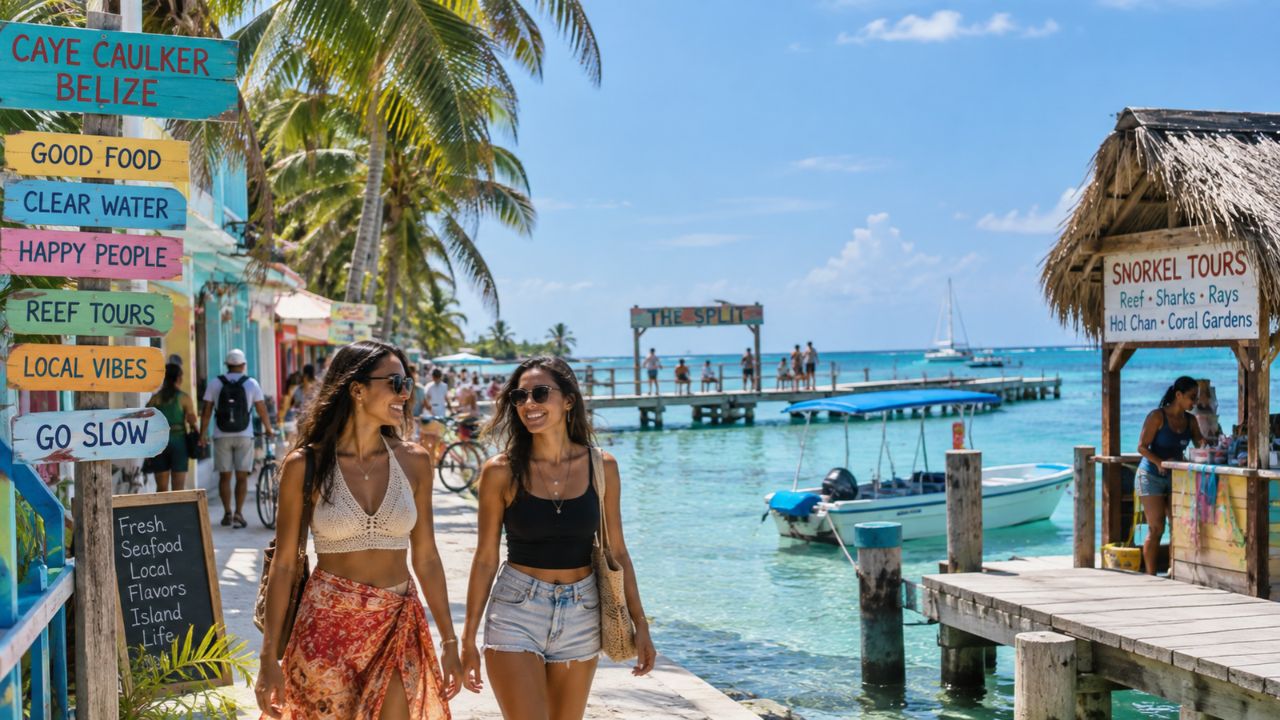
On the narrow five-mile coral caye of Caye Caulker, motor vehicles and asphalt highways are strictly absent, leaving sandy pathways navigated solely by barefoot pedestrians, vintage beach cruisers, and slow-moving electric carts. Governed by the ubiquitous local ethos of "Go Slow," this tranquil Caribbean outpost sits less than one mile from the western hemisphere's largest living coral reef barrier. While mega-resorts and cruise ship crowds dominate much of the wider Caribbean basin, Caye Caulker preserves a low-rise, timber-cottage environment where crystal-clear turquoise waters and marine biodiversity take center stage.
The Anti-Resort Counterculture of Belize's Outer Cayes
International travel across Central America is seeing a pronounced shift toward unhurried, community-centered destinations. Rather than checking into gated all-inclusive compounds, travelers increasingly choose places where daily life integrates seamlessly with local maritime traditions. Supported by sustainable travel initiatives from the Travel Belize Official Tourism Board, Caye Caulker has deliberately resisted high-rise resort developments to protect its fragile limestone ecosystem and preserve the economic independence of its resident fishing and guiding families.
Situated approximately 21 miles northeast of Belize City, the island is easily reached via a 45-minute high-speed water taxi or a scenic 10-minute flight aboard regional prop aircraft. With English serving as the nation's official language, arriving visitors transition effortlessly into island rhythms. From beachfront wooden docks, small-group sailing catamarans depart daily to explore the pristine coral canyons and shallow sandbars that define this protected marine sanctuary.
What Sets Caye Caulker Apart from Other Caribbean Cayes
The distinct appeal of Caye Caulker lies in its human scale and environmental intimacy. The island was naturally cleaved in two by Hurricane Hattie in 1961, creating a narrow waterway known as "The Split." Today, The Split acts as a communal gathering point where swimmers float in deep tidal currents while watching pelicans dive against fiery sunset horizons.
Just a short boat ride offshore lies the UNESCO World Heritage Belize Barrier Reef Reserve System. Within the federally protected waters of Hol Chan Marine Reserve and Shark Ray Alley, snorkelers drift alongside harmless nurse sharks, southern stingrays, green sea turtles, and kaleidoscopic parrotfish in shallow, sunlit waters.
| Island Feature | Caye Caulker | Ambergris Caye (San Pedro) | Placencia Peninsula |
|---|---|---|---|
| Transportation Mode | Foot, bicycle & electric carts only | Golf carts, taxis & delivery vans | Paved roads with cars & shuttle vans |
| Atmospheric Rhythm | Ultra-relaxed, bohemian "Go Slow" vibe | Lively commercial resort town & nightlife | Laid-back coastal village with luxury villas |
| Reef Proximity | Under 1 mile (5 to 10 min boat ride) | 0.5 to 1 mile offshore | 15 to 25 miles offshore |
| Accommodation Style | Family guesthouses & boutique eco-lodges | High-end beachfront resorts & condos | Upscale beachfront boutique hotels |
| Main Gathering Point | The Split & Lazy Lizard channel | Central San Pedro beachfront plazas | Placencia Sidewalk & village point |
This distinct balance allows travelers to immerse themselves in authentic coastal culture without paying inflated luxury resort tariffs, ensuring a relaxed and accessible island experience.
Visitor Insider Tips for Navigating Caye Caulker
- Time Your Visit for the Spiny Lobster Season: Belize's official spiny lobster harvesting season runs from July 1 through the end of February. During these months, beachside grills along Front Street serve freshly caught whole grilled lobster brushed with garlic butter and accompanied by coconut rice and beans for a fraction of international restaurant prices.
- Book Small-Group Sailing Charters for Hol Chan: Avoid crowded motorized tour boats by booking a full-day excursion aboard a traditional wooden sailboat or catamaran. Licensed local captains provide reef education, fresh ceviche prepared onboard, and access to quieter snorkel cuts along the barrier reef.
- Understand the Fixed Currency Peg: The Belize Dollar (BZD) is officially pegged to the US Dollar at a permanent rate of 2 BZD to 1 USD. US cash is universally accepted across every grocery stand and restaurant on the island, eliminating the need for currency exchange kiosks.
- Pack Reef-Friendly Mineral Sunblock and Rash Guards: Sun protection chemicals like oxybenzone cause catastrophic bleaching to fragile brain and staghorn coral colonies. Wear UPF 50+ long-sleeved rash guards and apply certified non-nano zinc oxide sunscreen before entering marine reserve boundaries.
- Explore the Mangrove Estuaries by Sea Kayak: Rent a sit-on-top kayak or paddleboard during the calm morning hours to explore the protected red mangrove channels along the island's leeward western shore, where juvenile barracudas, seahorses, and roseate spoonbills thrive in sheltered nurseries.
Marine Conservation, Cultural Heritage, and Sustainable Fisheries
The preservation of Caye Caulker is deeply intertwined with the stewardship of its surrounding seas. Regulated under the statutory oversight of the Belize Fisheries Department, no-take marine reserves and seasonal fishing moratoria safeguard breeding populations of queen conch and Nassau grouper from commercial depletion.
The island's cultural identity is shaped by a rich blend of Mestizo, Creole, and Garifuna coastal heritage. Multi-generational fishing families have transitioned into licensed boat captains and naturalist guides, sharing ancestral maritime knowledge with international travelers. This community-managed approach ensures that tourism revenue stays on the island, directly funding local schools, coastal seawall maintenance, and community solar installations.
By respecting marine sanctuary rules, refusing single-use plastics, and supporting independent beachfront vendors, travelers play a direct role in maintaining the pristine balance of this remarkable coral haven.
FAQ: Visiting Caye Caulker 2026
How do I get to Caye Caulker from Belize City?
Take a 45-minute scheduled water taxi ferry from the Belize City terminal, or book a 10-minute scenic flight from Philip Goldson International Airport directly to Caye Caulker airstrip.
Is Caye Caulker safe for solo travelers?
Yes. Caye Caulker is one of the safest destinations in Central America, featuring a tight-knit community, well-lit sandy main streets, and a welcoming, walkable village environment.
Can I swim with sharks at Shark Ray Alley safely?
Yes. The resident nurse sharks and southern stingrays in Shark Ray Alley are docile and accustomed to human presence, making guided snorkeling completely safe when following captain instructions.
What is the best time of year to visit Caye Caulker?
The dry season from late November through May offers calm seas, sunny skies, and optimal underwater visibility for scuba diving and snorkeling along the reef.
Watching the sun dip below the Caribbean horizon at The Split, Caye Caulker offers a timeless reminder that life's greatest luxuries are found simply by learning to go slow.
Related Travel Guides
Disclaimer
This article is for informational and educational purposes only. It does not constitute legal, financial, or professional advice. While we strive to provide accurate and up-to-date information, travel policies, regulations, and conditions change rapidly. Always verify information with official sources before making travel decisions. Nomad Lawyer makes no representations about the accuracy, reliability, completeness, or suitability of the information provided. Readers should consult qualified professionals for advice specific to their circumstances. The views expressed in this article are those of the author and do not necessarily reflect the views of Nomad Lawyer.
Raushan Kumar
Founder & Lead Developer
Full-stack developer with 11+ years of experience and a passionate traveller. Raushan built Nomad Lawyer from the ground up with a vision to create the best travel and law experience on the web.
Learn more about our team →