
Carnival Corporation Extends Wärtsilä Lifecycle Agreement to Enhance Fleet Reliability and Technical Performance for 2026
Carnival Corporation has renewed its strategic lifecycle services agreement with Wärtsilä, focusing on predictive maintenance and operational efficiency to reduce technical disruptions across its global cruise fleet.

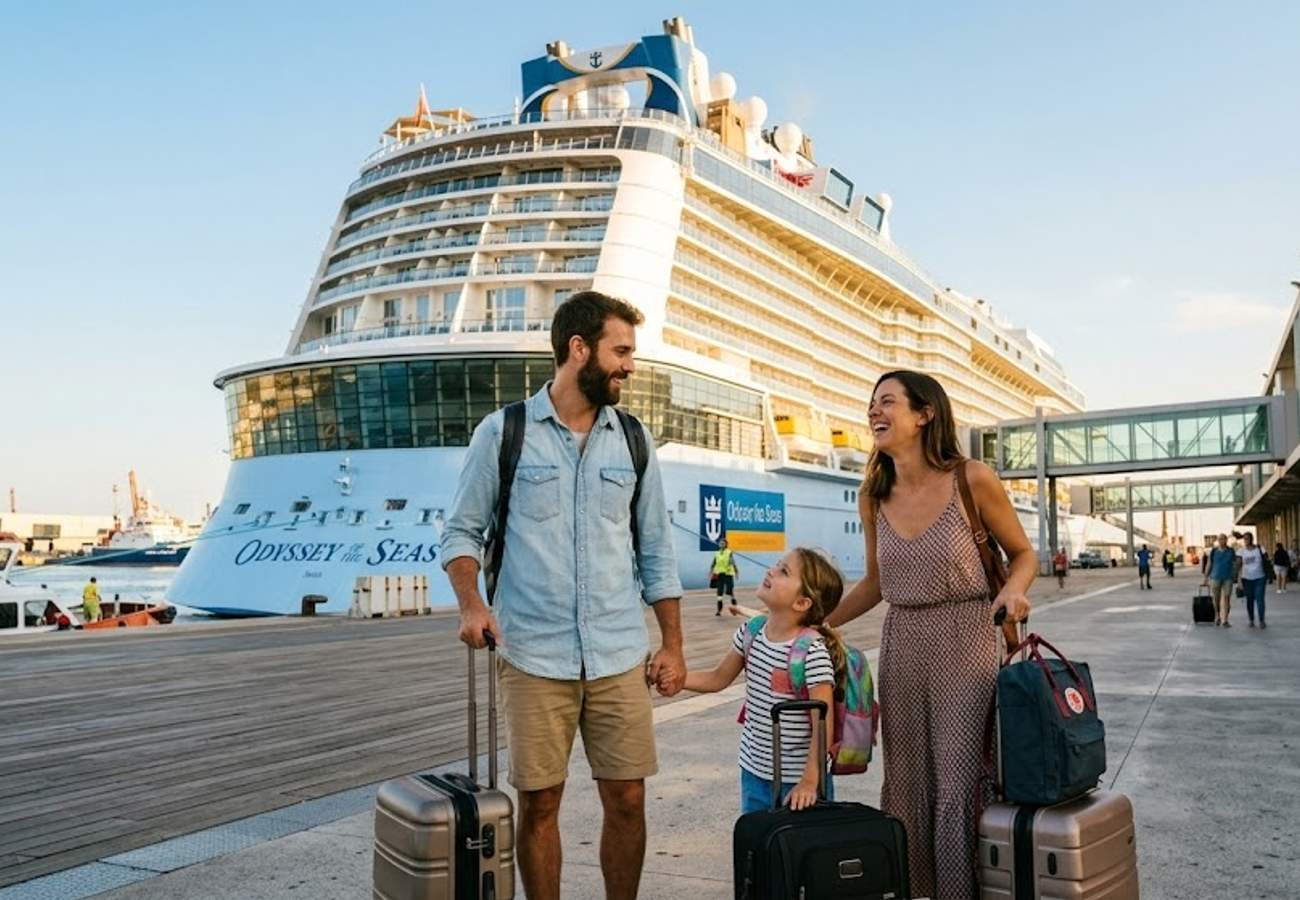
Image generated by AI
Carnival Corporation is strengthening the technology systems governing its global cruise operations through an extended lifecycle agreement with Wärtsilä. This strategic move focuses on improving vessel reliability, precision maintenance planning, and long-term ship performance to minimize unexpected technical disruptions.
The renewal of this partnership signals a shift in how the cruise industry manages the increasing complexity of modern vessels. As ships grow in size and integrate more advanced environmental technologies, the reliance on specialized technology partners to maintain critical onboard systems throughout a vessel's operational life has become a necessity rather than an option.
The Transition from Reactive to Predictive Maintenance
Traditionally, maritime maintenance operated on a reactive basis—repairing equipment after a failure occurred. The extended agreement between Carnival and Wärtsilä implements a "lifecycle" approach, which treats the operational journey of equipment as a continuous process.
By utilizing digital monitoring tools and predictive solutions, the partnership allows Carnival to identify potential mechanical risks before they escalate into operational failures. This proactive strategy is essential for managing propulsion systems, energy management, and onboard utilities, where a single technical fault can lead to altered itineraries or cancelled port visits.
Technical Scope and Operational Specifications
The agreement focuses on the long-term performance management of Wärtsilä equipment installed across the Carnival fleet. The following table outlines the primary parameters of the lifecycle services agreement:
| Feature | Traditional Maintenance | Wärtsilä Lifecycle Agreement |
|---|---|---|
| Approach | Reactive (Repair after failure) | Proactive (Predictive monitoring) |
| Planning | Ad-hoc repairs | Scheduled maintenance based on vessel needs |
| Expertise | General onboard engineering | Specialized Wärtsilä technical experts |
| Goal | Immediate restoration of service | Extension of critical system useful life |
| Outcome | Potential for unplanned downtime | Improved operational efficiency and reliability |
Traveler Logistics Guide: Navigating Fleet Reliability
While engineering upgrades occur behind the scenes, they directly impact the passenger experience. For those booking cruises in 2026, understanding fleet health is a key part of travel planning.
Booking and Itinerary Management
- Verify Vessel Age and Class: Newer ships typically feature the most advanced predictive technology. If reliability is a primary concern, prioritize ships commissioned within the last five years.
- Monitor Official Channels: Always check the cruise line's official app or portal 48 hours before departure for itinerary updates. Technical reliability reduces the likelihood of "skipped ports," but environmental factors still play a role.
- Travel Insurance: Ensure your policy covers "Trip Interruption" and "Mechanical Breakdown" of the carrier, providing a safety net regardless of the cruise line's maintenance agreements.
Digital Transit Integration
- Onboard Connectivity: Modern fleet upgrades often coincide with improved satellite and digital infrastructure. Ensure your devices are compatible with the ship's specific Wi-Fi protocols to stay updated on schedule changes in real-time.
Infrastructure Impact and Sustainability Assessment
The collaboration between Carnival and Wärtsilä has implications beyond passenger convenience. There is a direct link between precise maintenance and environmental sustainability.
Efficiently maintained marine systems reduce unnecessary fuel consumption and lower the likelihood of avoidable technical inefficiencies. By optimizing the performance of propulsion and energy systems, Carnival can better align with global maritime sustainability targets.
Furthermore, this trend indicates a broader industry movement where technology is treated as a core component of the passenger experience. As cruise demand continues to expand in 2026, the ability to maintain a dependable fleet becomes a significant competitive advantage. The move toward long-term maritime partnerships suggests that digital maintenance will soon become the standard industry practice across all major cruise operators.
Engineering precision is the invisible foundation of a seamless voyage.
Related Travel Guides
Disclaimer
This article is for informational and educational purposes only. It does not constitute legal, financial, or professional advice. While we strive to provide accurate and up-to-date information, travel policies, regulations, and conditions change rapidly. Always verify information with official sources before making travel decisions. Nomad Lawyer makes no representations about the accuracy, reliability, completeness, or suitability of the information provided. Readers should consult qualified professionals for advice specific to their circumstances. The views expressed in this article are those of the author and do not necessarily reflect the views of Nomad Lawyer.
Kunal K Choudhary
Co-Founder & Contributor
A passionate traveller and tech enthusiast. Kunal contributes to the vision and growth of Nomad Lawyer, bringing fresh perspectives and driving the community forward.
Learn more about our team →