
Beyond the Grand Tour: How Cape Town, Marrakech, and Africa’s Luxury Capitals Are Rewriting High-End Travel
From Hotel Verde's power-generating gym in Cape Town to private riads in Marrakech and water safaris in the Okavango Delta, discover how Africa is pioneering a new standard of eco-conscious luxury.

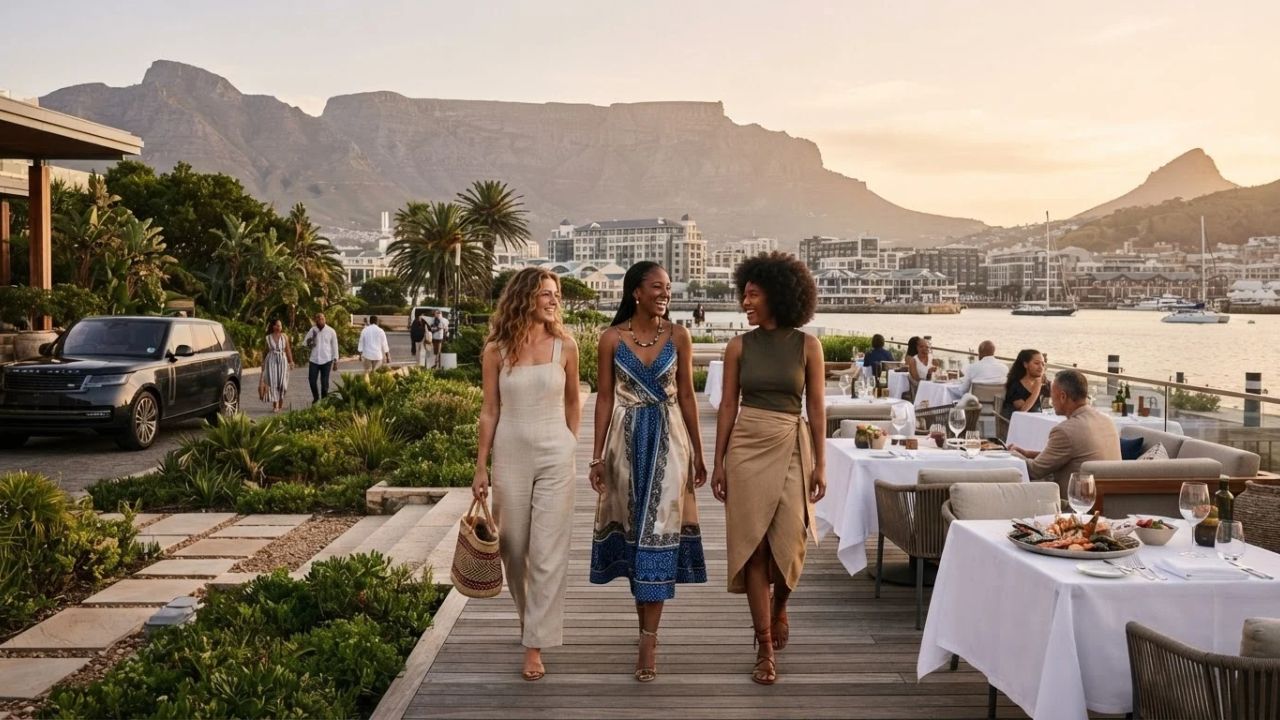
Luxury travel across Africa blends modern urban sophistication with ancient heritage
Just 400 metres from the runways of Cape Town International Airport, guests at Africa's self-proclaimed greenest hotel pedal stationary gym bicycles that feed electricity back into the building's electrical circuit, draw their morning shower water from underground geothermal heat loops, and earn redeemable coins on their checkout bill simply by choosing the staircase over the elevator. Revealed during World Travel Market Africa 2026 in Cape Town by General Manager Caron van Rooyen of Hotel Verde, this seamless fusion of ecological ingenuity and high-end hospitality represents a profound shift in African travel. Global wanderers no longer arrive on the continent merely seeking fenced-off safari enclaves or gilded beach resorts isolated from their surroundings. Instead, a new trans-continental luxury corridor is taking shape, connecting the Atlantic edge of Cape Town with the ancient imperial labyrinth of Marrakech, the water channels of the Okavango Delta, and the coral atolls of the Indian Ocean.
High-end travelers are connecting diverse African ecosystems into ambitious multi-week circuits. By pairing urban culinary capitals with remote conservation concessions, travelers can savor Michelin-caliber gastronomy in the shadow of Table Mountain before navigating the 77-metre shadow of Marrakech's Koutoubia minaret or gliding on a hand-carved wooden canoe through Botswana's floodplains.
Africa's Sustainable Luxury Revolution: From Solar Shading to Carbon-Neutral Havens
The modern luxury journey across Africa is being radically reshaped by properties proving that environmental stewardship enhances, rather than compromises, five-star comfort. At Hotel Verde in Cape Town, sustainability dictates architectural design from foundation to rooftop. Solar photovoltaic panels are mounted along exterior walls at calculated angles to generate clean power while simultaneously providing natural shade to guest rooms, dramatically slashing interior cooling demand during scorching southern summers.
Beneath the property, a sophisticated geothermal closed loop extracts stable subterranean temperatures to preheat domestic water, while rooftop wind turbines capture the notorious Cape gusts. Even the culinary supply chain is fiercely local, sourcing meat, ocean seafood, and organic produce strictly from farmers and fisheries within a short radius of the airport. To address the transit footprint, the property is rolling out electric charging shuttle buses to eliminate fossil-fuel emissions between the terminal and guest suites. Recognizing the erratic nature of global flight itineraries, the hotel has also pioneered flexible three-, six-, and nine-hour micro-stay bookings, allowing layover travelers to access premium amenities without paying full overnight tariffs.
This shift toward verified sustainability mirrors rising demand from key outbound source markets across Germany, the United Kingdom, and domestic South African travelers. Corporate gatherings and high-net-worth leisure wanderers increasingly select properties where carbon emissions from both accommodation and conferences are certified carbon-neutral. Far from feeling clinical or restrictive, properties engage guests directly: Hotel Verde's coin reward system turns eco-friendly choices into currency for artisanal on-site dining and garden picnics among indigenous fynbos plants.
What Makes Africa's Great Luxury Circuits Different: Contrasts of Stone, Sand, and Sea
What distinguishes luxury travel across Africa from traditional European or Caribbean itineraries is the sheer intensity of cultural and geographical contrast. In South Africa, South African Tourism champions a circuit where metropolitan sophistication sits directly against untamed wilderness. In Cape Town, iconic accommodations like The Silo Hotel in the V&A Waterfront grain silo, Mount Nelson, A Belmond Hotel at the foot of Table Mountain, and One&Only Cape Town offer direct access to dramatic ocean drives around Chapman's Peak. Within forty-five minutes of city center tables at Fyn Restaurant or Salsify at the Roundhouse, travelers enter the historic Cape Winelands. Here, centuries-old Cape Dutch estates in Constantia and over 170 distinct wine farms in Stellenbosch and Franschhoek pair world-class vintages with private cellar tastings and Cape Malay culinary legacies.
Five thousand miles to the north, Marrakech provides an intoxicating architectural counterpoint. Behind anonymous clay walls in the UNESCO-inscribed Medina, opulent riads like Royal Mansour Marrakech offer private courtyards cooled by citrus trees, mosaic tile fountains, and marble hammams infused with eucalyptus and argan oil. The atmosphere in the souks and the storied expanse of Jemaa el-Fna contrasts with the mid-century Parisian elegance of the Gueliz and Hivernage districts. Travelers can spend their morning deciphering intricate stucco calligraphy at Bahia Palace, take private afternoon cooking masterclasses on tagine preparation, and wake up the next morning amidst the snow-tipped peaks of the High Atlas Mountains.
Beyond the urban anchors, the wilderness circuits deliver unscripted wildlife spectacles. In Botswana, the Okavango Delta, protected under the UNESCO World Heritage Centre, rejects mass tourism in favor of ultra-low-density private concessions. Here, motorized vehicles give way to traditional mokoro canoes poled through narrow papyrus waterways where elephants bathe and lions prowl island fringes. Across East Africa, private conservancies adjoining Kenya's Maasai Mara—such as the 12-tented Mahali Mzuri in the Olare Motorogi Conservancy—and luxury tented camps in Tanzania's Serengeti and Ngorongoro Crater offer front-row access to the Great Migration, complemented by dawn hot-air balloon flights and bush breakfasts served under acacia canopies.
Visitor Insider Tips: Crafting the Seamless African Itinerary
- Structure Your Multi-Destination Route by Season: The most rewarding African journeys pair complementary regional climates. Connect Cape Town and the Winelands (best from November to April) with an Okavango Delta or Serengeti safari, or combine Marrakech's temperate spring and autumn weather with a coastal escape to Stone Town in Zanzibar or Mahé in the Seychelles. Allow a minimum of four to five nights in Cape Town and three to four nights in Marrakech to experience neighborhood culture beyond headline monuments.
- Book Boutique Riads and Conservancy Camps Over Generic Chains: In Marrakech, stay inside the Medina in a restored historic riad rather than an out-of-town modern resort; the sound of the morning call to prayer echoing across rooftop terraces is essential to the city's spirit. On safari, always prioritize private conservancies over national park interiors; conservancies permit off-road tracking, guided bush walks, and night game drives that standard park regulations prohibit.
- Navigate Airport Transfers and Layovers Strategically: When booking long-haul flights across African regional hubs, take advantage of short-stay transit options. If your itinerary involves a extended daylight layover in Cape Town, reserve a six-hour flexible day room at Hotel Verde to enjoy gym facilities, hot showers, and farm-to-fork dining just 400 metres from your departure gate. Pre-arrange private airport transfers through your accommodation in both South Africa and Morocco to bypass unregulated taxi touts.
- Savor Regional Gastronomy Through Indigenous Flavors: Avoid international buffet dining in favor of local culinary traditions. In Cape Town, reserve well in advance for contemporary African-Japanese fusion at Fyn, and order traditional Cape Malay bobotie in the Bo-Kaap neighborhood. In Morocco, seek out slow-cooked lamb tanjia simmered in clay urns within public bathhouse furnace embers, and visit Marrakech spice merchants to purchase authentic saffron from Taliouine and ras el hanout spice blends.
- Respect Local Customs and Heritage Protocols: When visiting Robben Island, where Nelson Mandela spent eighteen years of his imprisonment, approach the site with historical reverence; tours are led by former political prisoners whose firsthand accounts demand attentive respect. In Marrakech, dress conservatively with shoulders and knees covered when walking through traditional souks, and always ask permission before taking portraits of neighborhood craftspeople working in metal, wood, or leather ateliers.
Cultural and Environmental Context: Indigenous Stewardship and Conservation
The sustainability movement across Africa is fundamentally intertwined with community dignity, ancestral land rights, and habitat protection. In the wildlife heartlands of East Africa, properties like Mahali Mzuri in Kenya's Olare Motorogi Conservancy operate on land leased directly from indigenous Maasai families. Rather than displacing pastoralists, these conservation partnerships provide stable monthly rental income, fund local educational clinics, and ensure grazing rights for cattle during dry seasons. Maasai guides share ecological tracking knowledge passed down through generations, transforming game drives from passive animal viewing into deep cultural exchanges.
In coastal East Africa, private island retreats around Zanzibar work closely with Swahili dhow sailors, seaweed farmers, and spice growers, while in the Seychelles, luxury resorts on Mahé support conservation programs safeguarding the ancient palm valleys of Vallée de Mai, where the rare endemic coco de mer palm thrives under UNESCO protection.
In urban centers like Cape Town, cultural tourism is actively confronting past social fractures. Heritage walking tours led by residents in Bo-Kaap and Langa highlight living cultural traditions and community resilience. Properties like Hotel Verde actively showcase art created by emerging local students and invest profits into neighborhood charitable initiatives. True luxury across modern Africa is measured not by gilded opulence, but by how effectively a journey enriches the indigenous host communities, protects endangered biodiversity, and leaves the continent's cultural foundations stronger than before.
FAQ: Navigating Africa's Luxury Circuits 2026
What is the ideal duration for a multi-country African luxury trip? A well-balanced multi-region itinerary requires ten to fourteen days. This allows four nights in an urban cultural center like Cape Town or Marrakech, four nights in a remote safari concession, and three to four nights at an Indian Ocean coastal retreat.
How do travelers transition between city hubs and remote safari camps? Travelers typically fly between major urban centers on commercial regional airlines, then board private light-aircraft charters from safari gateway towns like Maun, Nairobi, or Arusha directly into private bush landing strips.
Is it safe to explore city neighborhoods like Cape Town and Marrakech independently? Yes, daytime exploration of vibrant shopping and cultural precincts like Cape Town's V&A Waterfront and Marrakech's central Medina souks is safe. For evening dining or peripheral neighborhoods, utilize licensed private transfers arranged by your hotel or verified ride-hailing services.
Are eco-friendly luxury hotels in Africa certified by international bodies? Yes, premier sustainable properties across Africa undergo rigorous independent environmental audits, holding certifications such as LEED Platinum, Green Star Africa, and Fair Trade Tourism, verifying renewable energy, water recycling, and ethical labor standards.
From the mist-crowned Atlantic bluffs of the Cape to the lantern-lit courtyards of the Maghreb, Africa's luxury story belongs to those who travel with curiosity, conscience, and reverence for the land.
Related Travel Guides
- The Living Soul of the Continent: How Zanzibar, Ethiopia, and Africa’s Heritage Cities Are Redefining Cultural Travel
- Etihad Escapes: How Abu Dhabi's Luxury Stopover Platform Is Transforming Middle East Transit Travel
- Southern African Bush and Coast: The Complete 12-Day Cape Town to Okavango Luxury Itinerary
Disclaimer
This article is for informational and educational purposes only. It does not constitute legal, financial, or professional advice. While we strive to provide accurate and up-to-date information, travel policies, regulations, and conditions change rapidly. Always verify information with official sources before making travel decisions. Nomad Lawyer makes no representations about the accuracy, reliability, completeness, or suitability of the information provided. Readers should consult qualified professionals for advice specific to their circumstances. The views expressed in this article are those of the author and do not necessarily reflect the views of Nomad Lawyer.
Raushan Kumar
Founder & Lead Developer
Full-stack developer with 11+ years of experience and a passionate traveller. Raushan built Nomad Lawyer from the ground up with a vision to create the best travel and law experience on the web.
Learn more about our team →