
Canada Tightens Marine Tourism Regulations as Travelers Flee Global Airport Disruptions for Coastal Adventures
As intense travel chaos and flight cancellations plague the skies, Canada implements strict new marine safety and wildlife protection standards to manage the surging demand for coastal tourism.

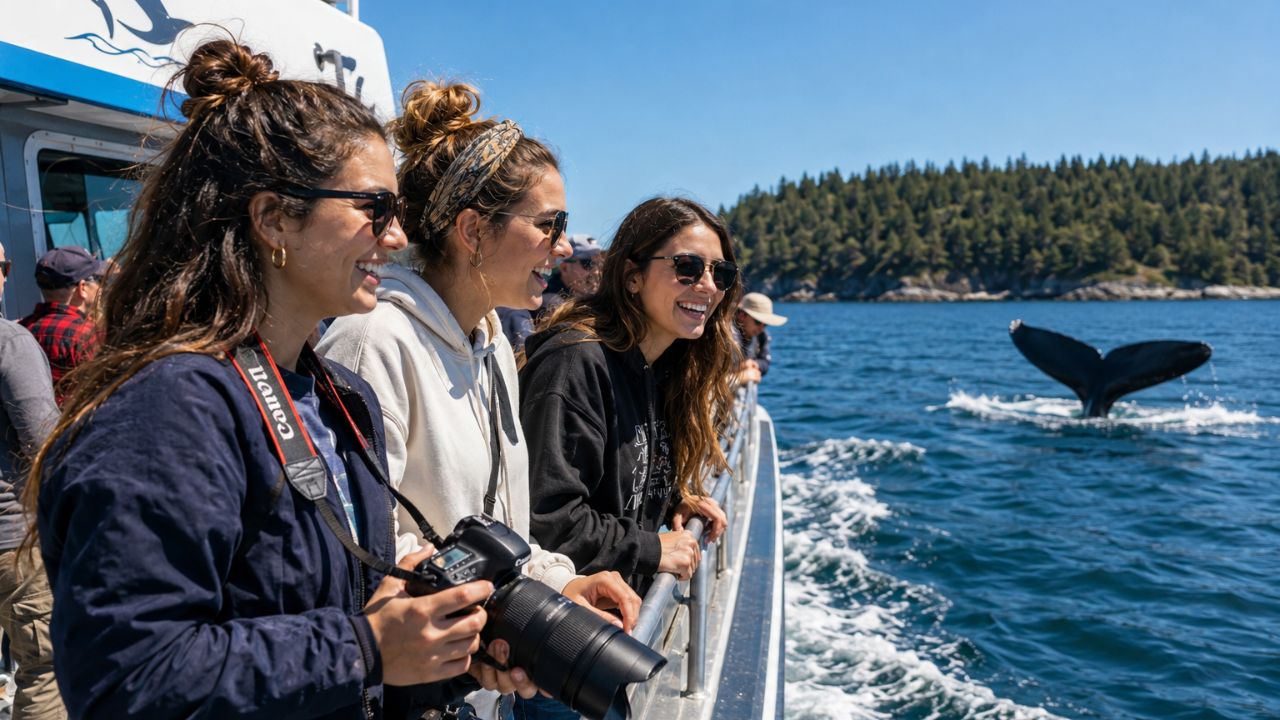
Image generated by AI
Canada Tightens Marine Tourism Regulations as Travelers Flee Global Airport Disruptions for Coastal Adventures
While international travelers endure unprecedented aviation volatility, a massive surge in Canadian coastal tourism has prompted the federal government to implement sweeping new vessel safety and environmental compliance standards.
As severe, rolling airport disruptions and devastating flight cancellations continue to thoroughly dominate the summer airline news cycle, thousands of deeply frustrated holidaymakers are actively abandoning traditional long-haul transit. Instead, they are flocking to Canada’s pristine coastlines in search of highly reliable, nature-based excursions. This sudden, massive influx of visitors attempting to bypass international travel chaos has triggered a critical response from the Government of Canada. To manage the explosive growth in coastal activity, federal authorities have officially introduced a tough new set of marine safety and environmental protection measures aimed at aggressively improving the sustainability of commercial tourism operations.
These updated, highly restrictive requirements include incredibly enhanced federal vessel inspections and significantly stricter environmental compliance standards. They directly target commercial tour operators conducting high-demand activities such as whale watching, wildlife viewing, sightseeing cruises, fishing excursions, and marine adventure experiences. While aviation updates focus heavily on restoring order to the skies, Canadian officials are firmly focused on the water, heavily enforcing a new framework specifically designed to brutally reduce human disturbances to incredibly sensitive marine habitats and highly vulnerable wildlife populations.
The Catalyst: Protecting Ecosystems from the Tourism Boom
Canada’s vast, stunning coastlines support incredibly diverse marine ecosystems that serve as the absolute primary habitat for whales, dolphins, seals, seabirds, and massive fish populations. As global passengers seek refuge from the agonizing stress of modern air travel, domestic and international marine tourism continues to grow at a staggering, unprecedented pace.
According to federal environmental and transport authorities, the massive resulting increase in commercial boat traffic is generating intense underwater noise, severe habitat disturbance, and highly dangerous vessel congestion. These rapidly escalating factors place incredible, life-threatening pressure on marine species that are already facing severe environmental challenges. The aggressively updated regulations firmly seek to drastically reduce these immediate risks. Government officials heavily emphasize that vital conservation efforts and booming tourism revenue do not need to be fiercely competing priorities. Instead, responsible, heavily monitored management can definitively support both critical environmental protection and vital regional economic development.
Section-Wise Breakdown: The New Regulatory Landscape
The comprehensive new measures aggressively target both the physical safety of the vessels and the behavioral protocols of the operators navigating these critical marine sanctuaries.
Enhanced Federal Vessel Inspections
One of the most physically disruptive and significant changes involves vastly expanded, zero-tolerance inspection programs for all commercial vessels operating tourism excursions along Canada’s coastlines. Federal marine inspectors are now legally mandated to conduct incredibly comprehensive reviews of vessel safety systems, maintenance records, emergency preparedness procedures, and navigation equipment. The overarching goal is an absolute guarantee that tourism operators continue meeting, and exceeding, national marine safety standards, identifying potential catastrophic risks long before they escalate into deadly safety incidents.
Unprecedented Protection for Marine Wildlife
The absolute major objective of the new, heavy-handed measures is the vital protection of marine wildlife currently inhabiting Canadian coastal waters. Federal agencies have aggressively introduced significantly stricter guidelines governing exact vessel behavior in highly sensitive areas frequented by whales and other fragile species. High-volume tour operators are now legally required to follow specific, non-negotiable distancing requirements, severe speed restrictions, and highly regulated navigation protocols meticulously intended to minimize stress on vulnerable wildlife populations.
Environmental Stewardship and Pollution Prevention
Beyond standard safety inspections, the new regulatory environment places immense, unyielding emphasis on overall environmental stewardship. Commercial tourism operators are now legally expected to strictly comply with highly demanding standards related to waste management, hyper-safe fuel handling, absolute pollution prevention, and total ecosystem protection.
Operational Details and Compliance Matrix
The rapidly growing demand for environmentally conscious travel experiences has forced operators to view these new compliance standards as a vital competitive advantage. To ensure absolute transparency, authorities have outlined the exact operational parameters that will be subjected to federal oversight.
Confirmed Marine Tourism Regulatory Matrix
| Regulatory Focus Area | Verified Operational Impact & Requirements |
|---|---|
| Federal Vessel Inspections | Comprehensive reviews of safety systems, maintenance & navigation prep |
| Wildlife Protection Protocols | Stricter distancing requirements & mandatory speed restrictions |
| Environmental Compliance | Rigorous waste management, fuel handling & pollution prevention standards |
| Target Species Protection | Whales, dolphins, seals, seabirds, and fragile fish populations |
| Operational Consequence | Mandatory operational adjustments, enhanced crew training & documentation |
Data definitively reflects the newly implemented Canadian federal guidelines for coastal tourism operators. These non-negotiable standards are specifically engineered to mitigate the environmental impact of the current domestic tourism boom.
Passenger Impact: Safer, More Responsible Exploration
For the traveling public—many of whom booked these Canadian coastal adventures specifically to escape the horrific reality of global flight cancellations—these enhanced regulations provide incredibly tangible benefits. While operators frantically adjust to the new compliance costs, passengers are guaranteed significantly improved vessel safety standards, resulting in vastly strengthened passenger protection and operational reliability on the water.
Furthermore, these stronger environmental safeguards directly contribute to infinitely healthier marine ecosystems. Tourists paying premium rates for whale watching or eco-cruises are far more likely to experience robust, thriving wildlife populations. By aggressively protecting these marine habitats today, federal authorities are directly preserving the incredibly lucrative tourism opportunities that remote coastal communities absolutely depend on for their long-term economic survival.
Industry Analysis: Aligning Growth with Conservation
Travel industry analysts clearly recognize that Canada’s coastal regions will continue to aggressively attract growing numbers of domestic and international travelers. Whale watching tours and marine adventure experiences remain among the country’s absolute most popular, high-yield tourism products.
As visitor demand brutally increases, government agencies face the incredibly difficult challenge of balancing vital economic opportunities with unyielding conservation responsibilities. These new, incredibly tough regulations represent a calculated, necessary effort to absolutely ensure that tourism growth occurs in a strictly controlled manner that fiercely respects environmental limits and aggressively protects vulnerable species from over-tourism.
Conclusion: A New Era for Canadian Coastal Tourism
The immediate implementation of highly enhanced federal vessel inspections and significantly stricter environmental requirements definitively marks a massive, historic step in the evolution of Canada’s marine tourism industry. While global travelers continue to actively monitor aviation updates and pray for an end to systemic travel chaos, Canada is firmly positioning itself as the absolute global leader in sustainable coastal tourism management. Authorities will relentlessly continue monitoring compliance, demanding operational effectiveness as the regulations are aggressively rolled out. By effectively combining stronger federal oversight with deep environmental protection measures, Canada is successfully safeguarding its priceless marine ecosystems, ensuring that global visitors can continue enjoying world-class, responsible coastal experiences for decades to come.
Key Takeaways
- Tougher Regulations: Canada has officially implemented strict new marine safety and environmental protection measures for coastal tour operators.
- Vessel Inspections: Federal inspectors will conduct incredibly comprehensive reviews of safety systems, emergency prep, and maintenance records.
- Wildlife Safeguards: Strict new distancing rules and speed restrictions are heavily enforced to protect whales, dolphins, seals, and seabirds.
- Environmental Compliance: Operators face massive new requirements regarding waste management, fuel handling, and pollution prevention.
- Passenger Benefits: The aggressive framework guarantees safer vessels and significantly higher quality, eco-conscious wildlife viewing experiences.
- Tourism Shift: As global travelers flee intense airline industry disruptions, Canada's regulated coastal tourism sector offers a highly reliable, sustainable alternative.
Related Travel Guides
Travel Chaos at Montreal Trudeau: 60 Cancellations Cripple Air Canada
Travel Chaos Grips Miami Airport: 123 Flight Delays Disrupt Global Corridors
Disclaimer
This article is for informational and educational purposes only. It does not constitute legal, financial, or professional advice. While we strive to provide accurate and up-to-date information, travel policies, regulations, and conditions change rapidly. Always verify information with official sources before making travel decisions. Nomad Lawyer makes no representations about the accuracy, reliability, completeness, or suitability of the information provided. Readers should consult qualified professionals for advice specific to their circumstances. The views expressed in this article are those of the author and do not necessarily reflect the views of Nomad Lawyer.
Preeti Gunjan
Contributor & Community Manager
A passionate traveller and community builder. Preeti helps grow the Nomad Lawyer community, fostering engagement and bringing the reader experience to life.
Learn more about our team →