
Canada Issues Mount Everest Rescue Scam Alert: $20M Fraud Affects 4,800 Climbers in Nepal
Canadian government warns of $20M helicopter rescue fraud targeting Everest climbers. Nearly 4,800 international trekkers affected by coerced evacuations and falsified medical reports.

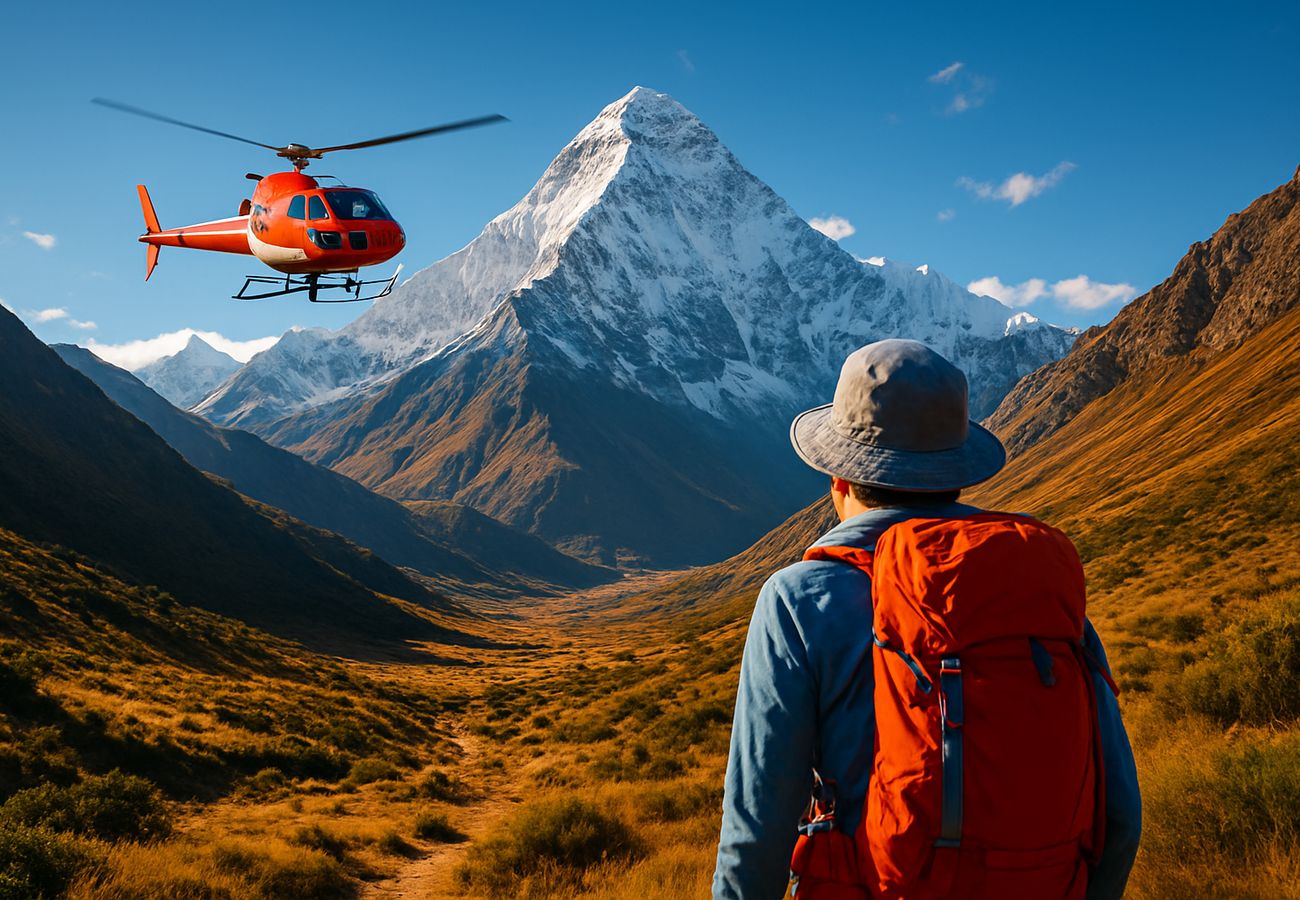
Image generated by AI
Canada has issued an urgent travel warning for Nepal's Everest region after uncovering a sophisticated rescue fraud network that has defrauded nearly 4,800 international climbers of approximately $20 million through coerced helicopter evacuations and falsified medical reports. The Canadian government's advisory marks a watershed moment forcing the global adventure tourism industry to confront systemic corruption that transforms climbers' dreams into financial and safety nightmares.
What Sparked This Move
Nepal's Central Investigation Bureau exposed the scam after documenting unnecessary helicopter evacuations where trekkers were pressured into costly rescues without proper medical evaluation. The fraudulent operations involved falsified medical reports, inflated evacuation charges, and coordinated coercion tactics targeting vulnerable climbers at high altitude.
The scheme has rippled across international aviation, with Emirates, Qatar Airways, and Turkish Airlines—major carriers servicing Kathmandu—reporting declining bookings as travelers reassess safety risks. The advisory represents the first major government intervention addressing what industry experts describe as organized corruption within Nepal's mountain rescue ecosystem.
Airlines and Airports Affected
| Airline | Primary Route | Reported Impact | Status |
|---|---|---|---|
| Qatar Airways | Doha-Kathmandu | Reduced peak-season demand | Monitoring |
| Emirates | Dubai-Kathmandu | Booking decline from Western markets | Adjusting schedules |
| Turkish Airlines | Istanbul-Kathmandu | Lower passenger volumes | Under review |
Kathmandu Tribhuvan International Airport (KTM) is experiencing measurable traffic shifts as Western tourists delay or cancel Everest expeditions. Airlines are adjusting flight frequencies in response to shifting demand patterns, particularly during traditional climbing seasons (April-May and September-October).
What Travelers Get
- Mandatory medical evaluations before any helicopter evacuation—falsified reports now flagged by international insurance providers
- Verified trekking agency credentials through Nepal's tourism authority registration system to avoid unlicensed operators
- Comprehensive travel insurance covering high-altitude evacuation that explicitly excludes fraudulent claims and unnecessary procedures
- Real-time safety alerts from the Canadian government (via Travel.gc.ca) updated as investigations progress
- Direct contact protocols with legitimate rescue operators certified by Nepal's aviation authority, bypassing informal networks
What This Means for Travelers
Climbers planning Everest expeditions must verify all trekking agencies through Nepal's official tourism registry before booking, request independent medical assessments before agreeing to any evacuation, and purchase insurance explicitly covering high-altitude rescue from internationally recognized providers. Contact your airline directly—Qatar Airways, Emirates, and Turkish Airlines all maintain updated safety protocols—and register with your embassy before departure. The Canadian government recommends exercising "a high degree of caution" in the Everest region and consulting Travel.gc.ca for real-time advisories before finalizing travel plans.
FAQ: Mount Everest Rescue Scams 2026
Q: How do I verify my trekking agency is legitimate? Check registration with Nepal's tourism authorities and request references from recent international climbers. Avoid agencies offering unusually discounted packages or pressuring rapid bookings.
Q: What should I do if pressured into an evacuation? Request an independent medical evaluation before agreeing. Contact your insurance provider and embassy immediately if coerced. Document all communications with rescue operators.
Q: Which airlines are safest for Nepal routes? Qatar Airways, Emirates, and Turkish Airlines maintain updated safety protocols. Verify current travel advisories on Travel.gc.ca before booking any Nepal-bound flights.
Related Travel Guides
Disclaimer
This article is for informational and educational purposes only. It does not constitute legal, financial, or professional advice. While we strive to provide accurate and up-to-date information, travel policies, regulations, and conditions change rapidly. Always verify information with official sources before making travel decisions. Nomad Lawyer makes no representations about the accuracy, reliability, completeness, or suitability of the information provided. Readers should consult qualified professionals for advice specific to their circumstances. The views expressed in this article are those of the author and do not necessarily reflect the views of Nomad Lawyer.
Kunal K Choudhary
Co-Founder & Contributor
A passionate traveller and tech enthusiast. Kunal contributes to the vision and growth of Nomad Lawyer, bringing fresh perspectives and driving the community forward.
Learn more about our team →