
Campeche Mexico Tourism Guide 2026: Exploring Maya Ruins and Colonial Heritage
Campeche is emerging as a premier destination for slow travel in 2026, blending UNESCO colonial architecture in San Francisco de Campeche with the deep jungle ruins of Calakmul.

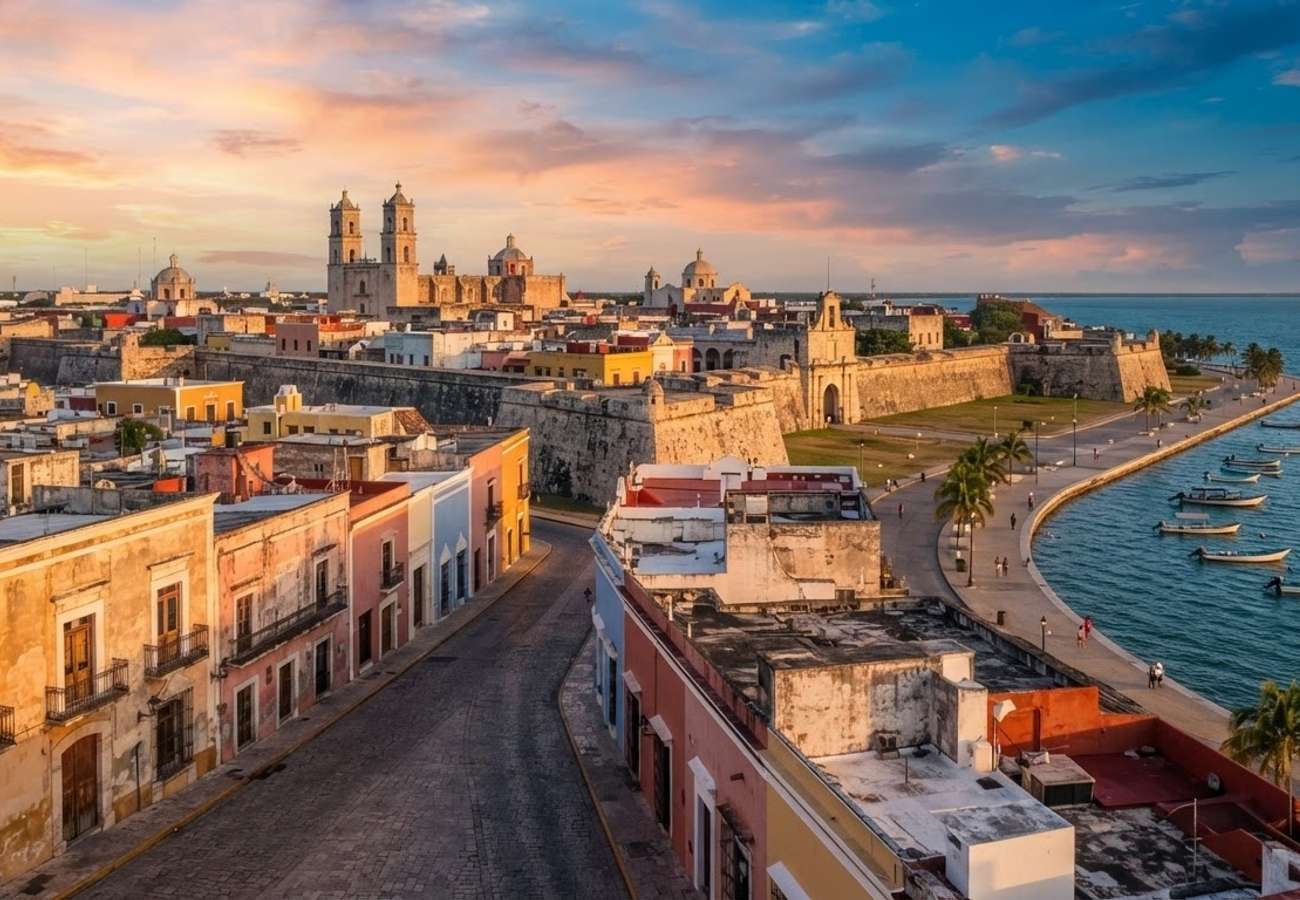
Image generated by AI
Campeche is positioning itself as the primary alternative to Mexico's overcrowded tourism hubs by integrating high-value Maya archaeological sites with a preserved colonial waterfront.
Located on the Yucatán Peninsula along the Gulf of Mexico, Campeche rejects the high-density resort model. Instead, it leverages a "slow travel" philosophy, focusing on pedestrian-friendly colonial centers, expansive biosphere reserves, and authentic regional gastronomy. The state capital, San Francisco de Campeche, serves as the logistical anchor for visitors.
The Walled City: San Francisco de Campeche
The city center is a UNESCO World Heritage Site, characterized by its 16th-century Spanish foundations. Originally a vital trade port, the city's wealth necessitated the construction of extensive defensive walls and bastions to repel maritime attacks.
Key architectural highlights include:
- Fortifications: Intact walls and bastions that remain central to the city's layout.
- Historic Gates: The Puerta de Tierra and Puerta de Mar serve as primary entry points into the heritage zone.
- Calle 59: A central artery connecting the gates, lined with cafes and local shops, designed for low-impact pedestrian exploration.
- The Malecón: A seafront promenade exceeding five kilometers in length, providing a transition between the colonial grid and the Gulf of Mexico.
Maya Archaeological Anchors
Campeche offers two distinct tiers of archaeological exploration: accessible day trips and deep-jungle expeditions.
Edzná: The Accessible Gateway Edzná is the most practical site for those staying in the capital. It is noted for its sophisticated Maya architecture, specifically the Temple of the Five Storeys and its expansive plazas. Its proximity to the city makes it a primary choice for short-duration itineraries.
Calakmul: The Biosphere Experience For high-impact nature tourism, Calakmul is the definitive destination. Located within the Calakmul Biosphere Reserve, this site is recognized by UNESCO for both its cultural and natural significance.
- Wildlife: The reserve is a habitat for monkeys, deer, tapirs, and the rare jaguar.
- Scale: Once one of the largest cities in the Maya region, its monuments are integrated into a living tropical forest.
- Requirement: Due to the remote location, the use of certified local guides is essential for navigation and conservation.
Regional Gastronomy and Community Hubs
The tourism economy is expanding beyond the capital into smaller communities, shifting income toward local operators.
- Signature Dish: Pan de cazón (shark with tortillas, beans, and tomato sauce) is the region's culinary staple.
- Nature Hubs: Northern coastal areas are becoming hotspots for flamingo viewing and mangrove exploration.
- Cultural Villages: Pomuch is highlighted for its traditional baking and local customs, while Isla Arena offers boat-based nature experiences.
Logistical Framework for 2026
Access to the region has been streamlined through diversified transport options. Travelers can enter via Campeche International Airport or utilize the San Francisco Campeche Maya Train station, which connects the city to other regional hubs.
Recommended 3-Day Itinerary:
- Day 1: San Francisco de Campeche (Walled city, Malecón, and colonial center).
- Day 2: Edzná archaeological site.
- Day 3: Coastal nature excursions or local gastronomy tours.
Optimal Travel Window: November to May provides the most favorable weather for outdoor exploration and jungle trekking.
Strategic Route Integration
Our analysis of the regional transport map indicates that Campeche is most effective when paired with other south-east Mexican destinations. It serves as a logical bridge between:
- Mérida
- Bacalar
- Chetumal
- Palenque
Why This Matters: Industry Implication
From a logistical perspective, the rise of Campeche signals a shift in Mexican tourism toward "de-concentration." For years, the Yucatán Peninsula's traffic was concentrated in the Riviera Maya and Tulum. Campeche offers a scalable model for sustainable tourism because it relies on existing heritage and natural reserves rather than new, disruptive infrastructure.
For the traveler, the real impact is the ability to access world-class Maya sites like Calakmul without the crowds found at Chichén Itzá. This transition to "meaningful journeys" over "fast holidays" suggests that Campeche will likely see a steady increase in high-spending, eco-conscious travelers who prioritize authenticity over resort amenities.
Campeche represents the transition of the Yucatán from a beach-centric destination to a cultural and ecological powerhouse.
Related Travel Guides
Disclaimer
This article is for informational and educational purposes only. It does not constitute legal, financial, or professional advice. While we strive to provide accurate and up-to-date information, travel policies, regulations, and conditions change rapidly. Always verify information with official sources before making travel decisions. Nomad Lawyer makes no representations about the accuracy, reliability, completeness, or suitability of the information provided. Readers should consult qualified professionals for advice specific to their circumstances. The views expressed in this article are those of the author and do not necessarily reflect the views of Nomad Lawyer.
Preeti Gunjan
Contributor & Community Manager
A passionate traveller and community builder. Preeti helps grow the Nomad Lawyer community, fostering engagement and bringing the reader experience to life.
Learn more about our team →