
Cameroon Tourism Expansion 2026: Douala Airport Upgrades and New Kribi-Limbe Coastal Corridors
Cameroon is transforming its tourism sector in 2026 by linking Douala's modernized aviation hub with coastal destinations Kribi and Limbe and promoting Ndolé as a global gastronomic brand.
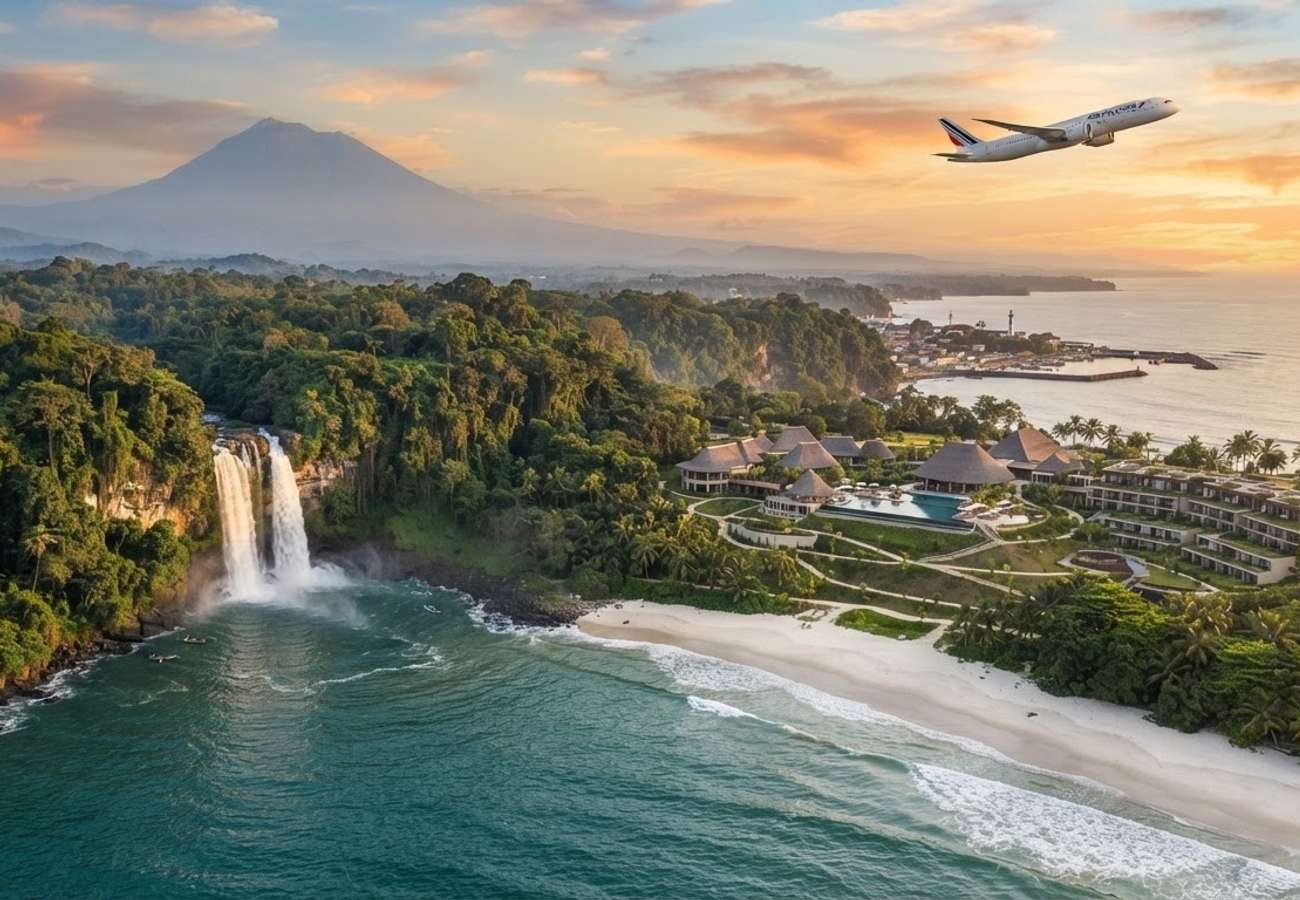
Image generated by AI
Cameroon is executing a strategic pivot in 2026 to diversify its travel appeal, integrating the urban hub of Douala with the coastal attractions of Kribi and Limbe to create a multi-faceted visitor experience. This initiative blends aviation infrastructure upgrades, the legal branding of traditional cuisine, and the development of luxury coastal resorts to move beyond isolated sightseeing toward comprehensive regional itineraries.
The national strategy aims to synthesize several distinct travel pillars: the administrative and business center of Yaoundé, the aviation and culinary gateway of Douala, the seaside allure of Kribi and Limbe, and the adventure-driven heights of Mount Cameroon. By linking these hubs, the government is attempting to encourage longer visitor stays and higher spending across various sectors, including hospitality and ecotourism.
Ndolé Gastronomy Becomes a Legal Tourism Asset
Cameroon is leveraging intellectual property law to turn its culinary heritage into a formal tourism draw, focusing specifically on the Littoral region's signature dish, Ndolé. Through a partnership with the World Intellectual Property Organization (WIPO), the nation has embarked on a project to map and protect its traditional flavors.
The WIPO initiative initially identified 20 traditional dishes, which were subsequently narrowed down via a national roundtable to 10 primary culinary traditions for development, with four additional dishes kept in reserve. Ndolé emerged as a primary candidate and is the first of these traditions to receive a formal labeling initiative.
From a culinary perspective, Ndolé is a complex dish featuring ndolé leaves and peanut paste, typically paired with prawns, meat, or fish, and served alongside plantains or cassava-based sides. The legal protection of this dish is not merely symbolic; it is a move to ensure authenticity and quality as the dish is marketed to international tourists.
Industry data highlights the immense domestic popularity of the dish, with a survey indicating that approximately 40% of respondents ranked Ndolé as their preferred dish. By integrating this gastronomic identity into the travel experience, visitors to Douala are encouraged to engage with the culture through local markets and specialized dining events rather than treating food as an afterthought.
Douala International Airport Infrastructure Overhaul
To support this influx of diverse tourism, Douala International Airport is undergoing a comprehensive modernization effort. The RAP-AID project is designed to elevate the airport's status as a regional aviation hub, ensuring all facilities meet the rigorous standards set by the International Civil Aviation Organisation (ICAO) regarding aviation security, facilitation, and aerodrome management.
The infrastructure project is divided into two primary phases:
- Airfield Enhancements: Work on extending airfield pavements commenced in June 2026. According to Airports of Cameroon, this phase is expected to last 12 months.
- Terminal Expansion: The passenger terminal is slated for a massive upgrade, including an extension of approximately 25,000 square metres and the refurbishment of 33,000 square metres of existing space.
These upgrades will directly impact the passenger journey, with specific improvements targeting immigration areas, check-in counters, baggage handling, passenger screening, and departure facilities. Additionally, the expansion includes enhanced retail zones, catering options, and upgraded VIP lounges to better serve high-net-worth travelers and business executives.
Coastal Development in Kribi and Limbe
The Cameroonian coastline, stretching roughly 400 kilometres, is being repositioned as a premier destination for seaside tourism. Kribi and Limbe are the focal points of this coastal strategy, offering a mix of natural wonders and planned urban growth.
Kribi is being marketed as a destination that blends luxury with nature. A key highlight is the Lobé Falls, where fresh water cascades directly into the Atlantic Ocean. To support this, the Cameroon Hotels Corporation is currently advancing preparatory work and architectural planning for a proposed five-star resort at Idolo-Kribi.
Meanwhile, Limbe is focusing on integrated urban development. The government-approved Smart City Mondoli-Limbe project spans 125 hectares. This mixed-use development is designed to create a seamless tourism corridor between Limbe and Mondoli, combining hospitality with modern infrastructure.
Ecotourism and Urban Hubs: Mount Cameroon and Yaoundé
Beyond the beaches, Cameroon is promoting its rugged interior to attract adventure seekers. Mount Cameroon, standing at 4,070 metres, serves as the centerpiece for the nation's ecotourism efforts. The government is positioning the mountain as a prime destination for trekking and hiking, often paired with Limbe-based coastal stays to offer a "beach-to-peak" itinerary.
The environmental appeal extends further into the interior with the promotion of the Dja Faunal Reserve and Korup National Park, targeting travelers interested in wildlife conservation and rainforest exploration.
Supporting these regional excursions is the capital city, Yaoundé. As the primary hub for business and diplomatic travel, Yaoundé continues to expand its hospitality base. The presence of the Hilton Yaoundé and other high-end hotels provides the necessary urban infrastructure to support travelers before they venture into the coastal or mountainous regions.
Impact Analysis: The Shift to Integrated Itineraries
The transition from fragmented tourism to integrated corridors represents a significant shift in Cameroon's economic approach. By linking the "Air-Food-Coast-Nature" chain, the country is reducing the risk of "single-site tourism," where visitors only visit one location and leave.
| Tourism Pillar | Primary Location | Key Attraction/Project | Focus Area |
|---|---|---|---|
| Aviation & Gastronomy | Douala | RAP-AID Project / Ndolé Labeling | Infrastructure & Culture |
| Coastal Luxury | Kribi | Idolo-Kribi 5-Star Resort / Lobé Falls | High-end Hospitality |
| Urban Innovation | Limbe | Smart City Mondoli-Limbe | Integrated Development |
| Adventure/Eco | Mt. Cameroon | 4,070m Peak / Korup National Park | Trekking & Conservation |
| Business/Admin | Yaoundé | Hilton Yaoundé | Urban Hospitality |
Why This Matters (Information Gain & Experience)
For the modern traveler or digital nomad, this shift signals a move toward "experience-based" travel. The legal protection of Ndolé is particularly noteworthy; for the visitor, this means a guaranteed standard of authenticity in culinary experiences, similar to the "Appellation d'Origine Contrôlée" (AOC) seen in France.
From a logistical standpoint, the 25,000 square metre expansion of the Douala terminal is the most critical update. For years, regional hubs in Central Africa have struggled with congestion and outdated screening processes. The alignment with ICAO standards suggests that the "friction" of entering Cameroon—immigration queues and baggage delays—will be significantly reduced by 2027.
Furthermore, the development of the Mondoli-Limbe Smart City suggests that Cameroon is attempting to attract a younger, tech-savvy demographic of travelers who require high-speed connectivity and integrated services while exploring nature. The ability to move from a high-tech urban environment in Limbe to the 4,070-metre summit of Mount Cameroon within a single trip creates a high-contrast travel experience that is rare in the region.
Cameroon is no longer just a destination of isolated wonders, but a connected network of cultural and natural assets.
Related Travel Guides
Disclaimer
This article is for informational and educational purposes only. It does not constitute legal, financial, or professional advice. While we strive to provide accurate and up-to-date information, travel policies, regulations, and conditions change rapidly. Always verify information with official sources before making travel decisions. Nomad Lawyer makes no representations about the accuracy, reliability, completeness, or suitability of the information provided. Readers should consult qualified professionals for advice specific to their circumstances. The views expressed in this article are those of the author and do not necessarily reflect the views of Nomad Lawyer.