Cambodia Travel Shines As Angkor Equinox Event Attracts Global Visitors To Ancient Temple Wonders

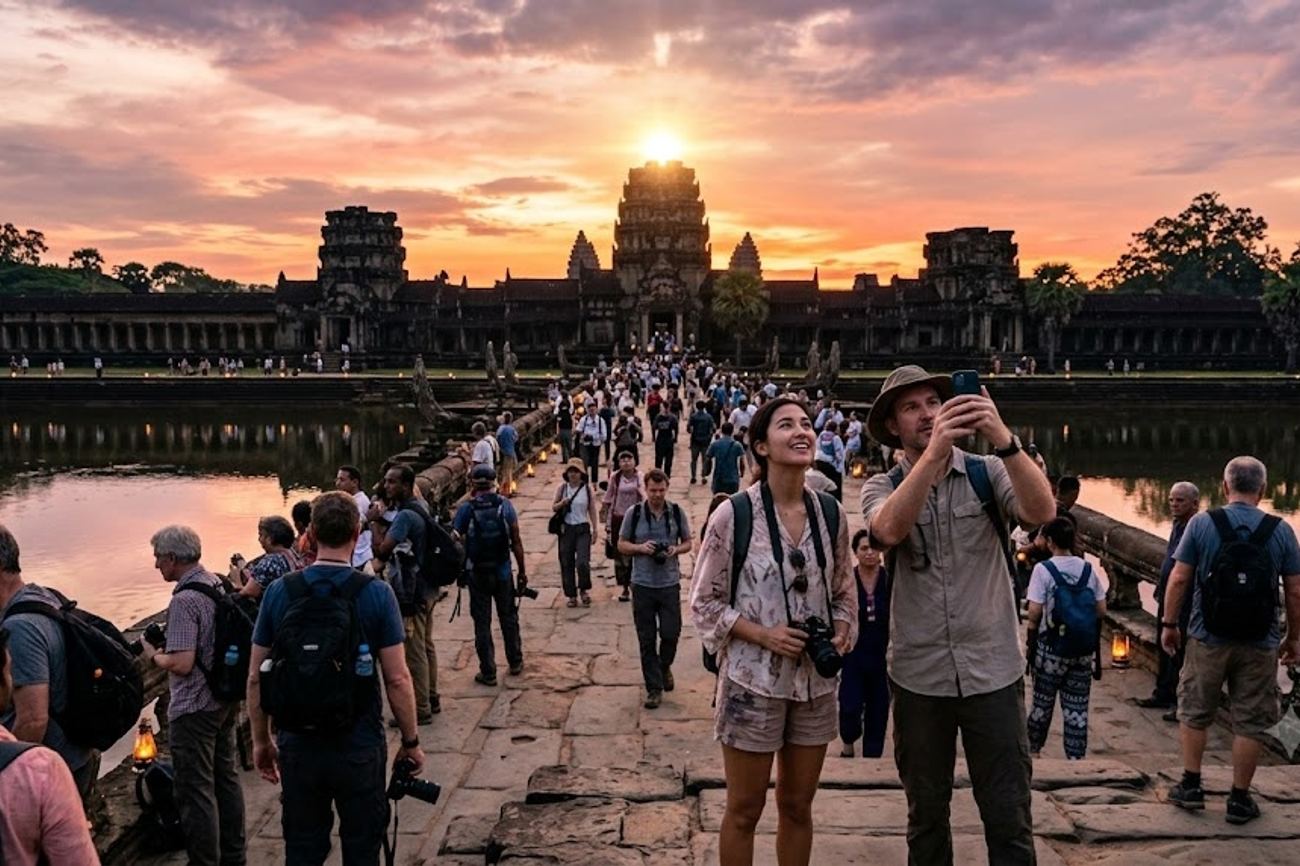
Image generated by AI
[Siem Reap, March 2024] — Thousands of international and domestic tourists descended upon the Angkor Archaeological Park to witness the rare astronomical alignment of the equinox, reinforcing Cambodia's status as a premier global hub for heritage tourism.
The event, which occurs twice annually, draws crowds to the ancient temple complex to observe the precise alignment between the rising sun and the architectural peaks of the monuments. This phenomenon serves as a live demonstration of the sophisticated astronomical and engineering knowledge possessed by the Khmer Empire's ancient builders. Despite significant cloud cover that obscured the primary sunrise alignment for many, the volume of visitors remained high, signaling a robust recovery and growing appetite for experiential cultural travel in Southeast Asia.
The Astronomical Trigger
The surge in visitor activity is driven by the equinox, a specific celestial event where the sun aligns perfectly with the central spire of the temple. This alignment is not coincidental but the result of intentional urban planning and scientific calculation by ancient Cambodian architects. By syncing the physical structure of the temple with the movements of the earth and sun, the builders created a permanent calendar in stone.
For the modern traveler, this event transforms the Angkor Archaeological Park from a static museum of ruins into a dynamic intersection of nature and science. The attraction lies in the "moment of alignment," where the sun appears to sit directly atop the temple's peak, a sight that validates the historical claims of the empire's advanced understanding of the cosmos.
Markets and Visitors Impacted
The equinox event acts as a catalyst for a specific demographic of "meaningful travelers"—those prioritizing education and heritage over standard sightseeing. The impact is felt across several key sectors:
- International Markets: High concentrations of visitors from Western Europe, North America, and East Asia, who typically time their arrivals in Cambodia to coincide with these astronomical windows.
- Domestic Tourism: A significant increase in Cambodian nationals visiting the park, reflecting a growing internal pride and interest in ancestral scientific achievements.
- Local Service Economy: Immediate revenue spikes for tuk-tuk drivers, boutique hotels in Siem Reap, and local handicraft vendors who benefit from the concentrated influx of crowds.
- Hospitality Sector: Increased occupancy rates for luxury resorts and hostels surrounding the park, as visitors often arrive days in advance to secure prime viewing positions.
Practical Traveler Advisory and Strategic Insights
For those planning a trip to Cambodia, the equinox event shifts the travel dynamic from a casual tour to a high-demand event. If you are booking a trip during these windows, expect the following:
1. Extreme Crowd Density: The primary temple sites experience peak congestion. Travelers should anticipate longer queues for entry and limited space at the most coveted viewing points.
2. Weather Volatility: As seen in the most recent event, cloudy skies can completely obscure the astronomical alignment. Travelers should not rely solely on the visual "money shot" but should instead focus on the atmospheric and cultural experience of the gathering.
3. Logistics Pressure: Transport from Siem Reap city center to the park becomes strained. It is advisable to arrange transport via registered providers or the Ministry of Tourism of Cambodia guidelines to avoid price gouging during peak event hours.
4. Shift in Itinerary: The equinox encourages a "slow travel" approach. Rather than rushing through multiple temples, visitors are increasingly spending entire days at a single site to witness the transition of light and shadow.
The Future of Heritage Tourism in Cambodia
The success of the equinox gathering is part of a broader strategic pivot by Cambodian authorities to diversify the tourism product. By highlighting the "scientific" side of Angkor—rather than just the "aesthetic" or "spiritual" side—Cambodia is positioning itself to attract a more academic and curious traveler.
The UNESCO World Heritage Centre continues to monitor the site's preservation, and the integration of these seasonal events helps justify the ongoing funding for conservation. Moving forward, authorities expect to leverage these astronomical events to spread tourist traffic more evenly throughout the year, reducing the pressure on the "high season" and creating new "micro-seasons" based on celestial events.
The long-term goal is to transition Angkor from a "bucket list" checkbox to a destination for repeated visits. By promoting events that only happen twice a year, the government creates a reason for international tourists to return to Cambodia multiple times, thereby increasing the lifetime value of each visitor to the local economy.
FAQ: Angkor Equinox 2024
When exactly does the Angkor equinox happen? The alignment occurs twice a year, during the spring and autumn equinoxes (typically March and September). The exact timing depends on the solar calendar and the specific orientation of the temple spires.
Do I need a special ticket to see the equinox? No special ticket is required beyond the standard Angkor Pass. However, it is highly recommended to purchase your pass in advance to avoid the massive queues at the ticket office on the morning of the event.
What happens if it is cloudy on the day of the alignment? While clouds may block the direct view of the sun hitting the spire, the event remains a major cultural gathering. Most visitors continue to explore the park and participate in the communal experience regardless of visibility.
Is the equinox the best time to visit Angkor Wat? It is the best time for those interested in astronomy and photography. However, if you prefer solitude and quiet reflection, avoid the equinox dates, as the crowds are significantly larger than on average days.
The stones of Angkor continue to speak, proving that ancient science remains a powerful draw for the modern wanderer.
Related Travel Guides
This article is for informational purposes. Flight routes, passenger regulations, visa rules, and transit advisories are subject to change by airlines and aviation authorities. Readers are advised to verify schedules and travel documentation with relevant carriers and border agencies before departure.
Related Stories

European Mass Protests Disrupt Travel Across France, Italy, Belgium, and Turkey in 2026

Storm Bruna 2026: Iberia Faces 200mm Rainfall and 6m Swells Triggering Mass Travel Chaos