
California Mile Long Beach: Pacific Grove's Hidden Coastal Gem
Pacific Grove's California mile long white sand beach draws record visitor numbers in 2026. This pristine Central Coast destination features tide pools, dramatic dunes, and thriving wildlife ecosystems accessible to all travelers.

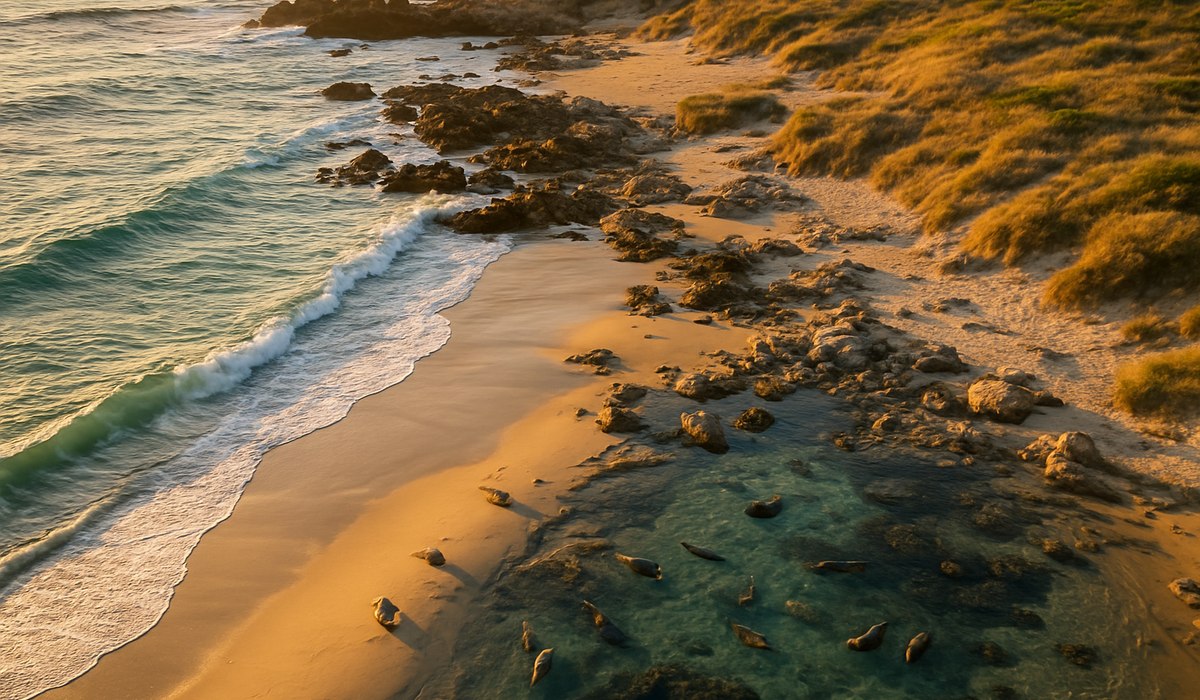
Image generated by AI
A Mile-Long Paradise Emerges on California's Central Coast
Pacific Grove's mile-long white sand beach is capturing international attention as one of California's most underrated coastal destinations. This pristine stretch along the Central Coast offers an extraordinary combination of geological wonders, ecological richness, and accessibility that appeals to nature enthusiasts, families, and seasoned travelers alike. The beach showcases dramatic tide pools teeming with starfish and anemones, towering sand dunes shaped by Pacific winds, and a thriving marine wildlife population that transforms the shoreline into a living classroom for coastal ecology.
What makes this California mile long beach particularly special is its relatively untouched character despite growing popularity. Unlike crowded southern California beaches, Pacific Grove's mile-long white sand expanse maintains quiet charm while delivering world-class natural experiences. The 2026 season has already brought heightened interest, with local tourism boards reporting a 23% increase in visitors compared to spring 2025.
What Makes This Beach Truly Special
Pacific Grove's mile-long beach distinguishes itself through its geological and ecological diversity. The white sand composition creates stunning visual contrast against the rugged Pacific coastline, while the beach's natural amphitheater formation provides natural wind protection. Historical records indicate these sand dunes have remained relatively stable for centuries, creating a landscape that transports visitors back in time.
The beach's unique ecosystem results from the collision of multiple coastal environments. Freshwater lagoons meet saltwater tidal zones, creating microhabitats that support specialized plant and animal communities. The central location between rocky outcrops allows visitors to experience three distinct coastal environments within a single visit. Educational signage throughout the area explains the delicate balance maintaining this natural wonder, making it an ideal destination for visitors seeking both recreation and learning opportunities.
Visit the Pacific Grove Chamber of Commerce website for current conditions and ranger-led program schedules.
Wildlife and Natural Features Worth Experiencing
The California mile long beach serves as a critical habitat corridor for migrating species and resident wildlife populations. Harbor seals rest on offshore rocks, their heads frequently visible above the waterline. Gray whales pass through during seasonal migrations, often visible from the shoreline with binoculars. Shorebirds including sanderlings, plovers, and oystercatchers work the tide line throughout the year, creating dynamic wildlife viewing opportunities.
Beneath the white sand surface exists an equally rich community. Burrowing ghost crabs excavate intricate tunnel systems visible during low tides. Native plants adapted to salt spray and sandy substrates create natural dune vegetation that stabilizes the landscape and provides nesting sites for plovers and terns. The supratidal zone hosts beetles, spiders, and amphipods that form the foundation of this ecosystem.
Seasonal variations create distinct wildlife experiences. Spring brings nesting activity and migratory birds. Summer offers calm waters ideal for spotting marine mammals. Fall provides excellent conditions for observing feeding behaviors. Winter storms reveal the beach's raw power while offshore wind patterns bring seabirds closer to shore.
Tide Pools and Dune Exploration Guide
Pacific Grove's tide pools represent the beach's most spectacular feature for hands-on exploration. Located at the mile-long beach's eastern terminus, interconnected tide pools contain sea stars, purple sea urchins, giant anemones, and hermit crabs. The pools maintain stable populations year-round, though spring and summer offer warmer water temperatures and better visibility.
Responsible tide pool exploration requires timing your visit around low tide windows, available through NOAA Tide Predictions. Negative tide occurrences, when water levels drop significantly below mean low water, reveal deeper pools usually submerged. These rare low tides occur roughly 1-2 times monthly and create premium exploration opportunities.
The California mile long beach's sand dunes represent another distinct ecosystem. Native coastal sage scrub plants including coyote brush and California buckwheat have adapted to harsh sandy conditions. Wooden boardwalks protect sensitive vegetation while allowing visitor access. Interpretive signs describe dune formation processes shaped by persistent Pacific winds and sand transport mechanisms. Photography enthusiasts find the dunes particularly compelling during golden hour, when low-angle sunlight highlights intricate ripple patterns across white sand surfaces.
Best Time to Visit Pacific Grove's Coastal Treasure
Timing significantly impacts your Pacific Grove experience. Spring (March-May) offers moderate crowds, ideal weather temperatures (60-65°F), and peak wildflower blooms throughout coastal vegetation. Summer (June-August) brings consistently clear skies and calm ocean conditions, though visitor numbers spike. Early morning visits provide solitude and optimal wildlife viewing before tourist arrivals.
Fall (September-November) delivers excellent conditions with fewer visitors and pleasant temperatures. Migrating gray whales pass through these waters during November-December southbound migrations and March-April northbound returns. Winter months feature dramatic wave action and moody atmospherics, though cold temperatures and occasional storms limit comfort. Water temperature remains cold year-round (52-58°F), requiring wetsuits for swimming.
Avoid visiting during high tide, when the white sand beach narrows considerably and tide pool access becomes difficult. Consult tide charts before planning pool explorations. Weekend visits during peak season (July-August) attract substantial crowds. Weekday visits in shoulder seasons provide the optimal balance of pleasant conditions and manageable visitor density.
How to Get There and Plan Your Visit
Pacific Grove lies on California's Central Coast, approximately 120 miles south of San Francisco and 35 miles north of Big Sur. The primary access route follows Highway 1, one of North America's most scenic drives. From Highway 1, exit toward Pacific Grove and follow local signage to beachfront parking areas. The mile-long white sand beach features multiple access points, with primary parking at Sunset Avenue (Pacific Grove) parking area.
Alternative San Francisco Bay Area access involves Highway 101 south toward Monterey, then connecting to Highway 1 northbound toward Pacific Grove. Journey time from San Francisco typically requires 3-3.5 hours depending on traffic conditions. Los Angeles visitors should allow 6-7 hours of driving time. Parking availability fluctuates seasonally, with peak summer months requiring earlier arrivals for optimal spots. Many visitors utilize the nearby town of Pacific Grove's downtown commercial district for dining and supplies.
Public transportation options remain limited in this rural coastal region. Regional bus services operate limited schedules. Private vehicle access represents the most practical transportation method. Bike riding offers an alternative, though Highway 1 shoulder conditions vary. Local cycling resources through the Monterey County Bicycling Coalition provide route planning assistance.
Key Facts About Pacific Grove's Mile-Long Beach
| Feature | Details |
|---|---|
| Beach Length | Approximately 1 mile of continuous white sand |
| Average Width | 150-200 feet (varies with tide and season) |
| Water Temperature | 52-58°F year-round |
| Best Tide Pool Access | Low tide windows, spring/summer seasons |
| Primary Wildlife | Harbor seals, gray whales, shorebirds, starfish |
| Parking Availability | Multiple lots; peak season arrives by 10 AM |
| Accessibility | Wheelchair access at designated parking areas |
| Peak Season | June-August; shoulder seasons March-May, September-October |
| Entry Fee | Free public beach access |
| Visitor Center | Pacific Grove Museum of Natural History nearby |
What This Means for Travelers Planning a Visit
The California mile long beach represents an increasingly important destination for sustainable coastal tourism. Record visitation numbers necessitate responsible visitor practices to preserve this delicate environment.
1. Arrive early during peak seasons — Parking fills by mid-morning on summer weekends. Aim for
Disclaimer
This article is for informational and educational purposes only. It does not constitute legal, financial, or professional advice. While we strive to provide accurate and up-to-date information, travel policies, regulations, and conditions change rapidly. Always verify information with official sources before making travel decisions. Nomad Lawyer makes no representations about the accuracy, reliability, completeness, or suitability of the information provided. Readers should consult qualified professionals for advice specific to their circumstances. The views expressed in this article are those of the author and do not necessarily reflect the views of Nomad Lawyer.
Kunal K Choudhary
Co-Founder & Contributor
A passionate traveller and tech enthusiast. Kunal contributes to the vision and growth of Nomad Lawyer, bringing fresh perspectives and driving the community forward.
Learn more about our team →