
Florida Between Gainesville Offers Lake Escapes and Wildlife Sanctuary
A hidden rural community in Florida between Gainesville and Orlando combines pristine lake recreation with a 35-acre endangered animal sanctuary, attracting remote workers seeking authentic off-grid experiences in 2026.

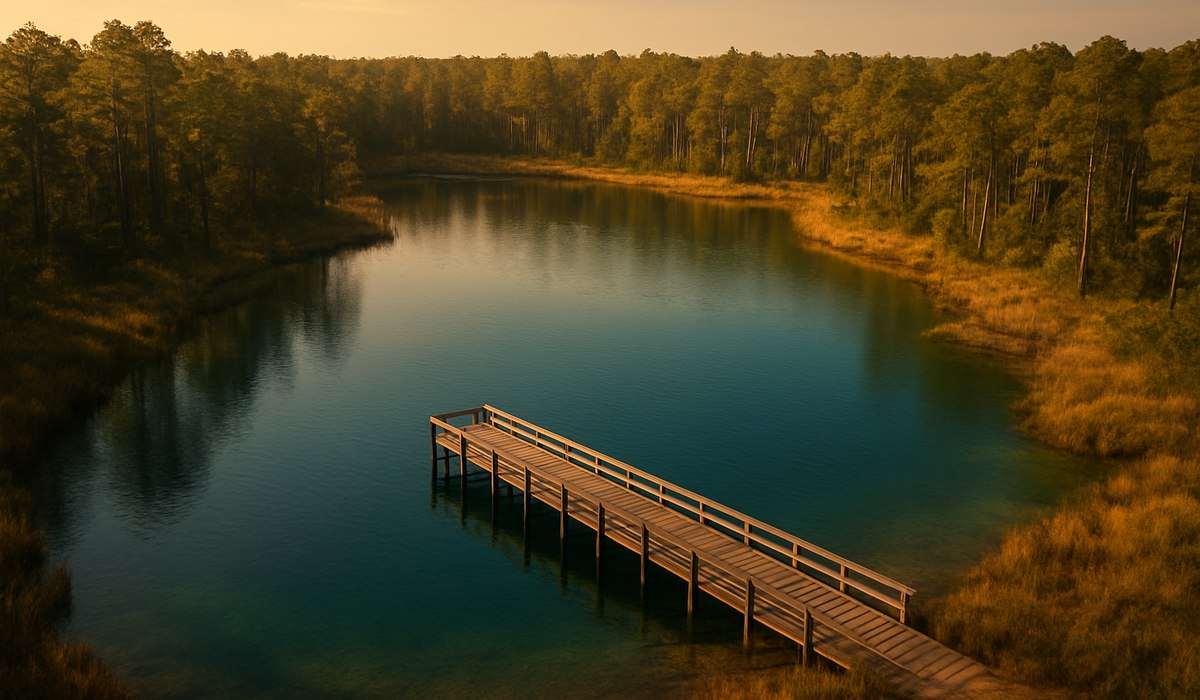
Image generated by AI
Florida's Hidden Rural Gem: A Lake and Wildlife Escape Between Two Major Cities
Central Florida's overlooked communities between Gainesville and Orlando are emerging as unexpected havens for digital nomads and nature enthusiasts. A particularly compelling destination features a 35-acre endangered animal sanctuary nestled within wooded terrain, offering visitors rare opportunities to combine productive remote work with authentic wildlife encounters. This rural enclave, positioned strategically between two of Florida's largest metropolitan regions, provides the perfect counterbalance to urban work-from-anywhere lifestyles. The convergence of pristine freshwater lakes, conservation-focused tourism, and community-oriented hospitality creates a distinct travel proposition for professionals seeking meaningful work-life integration in 2026.
The site has gained traction among location-independent workers tired of overcrowded tourist hubs, presenting a viable alternative to conventional digital nomad hotspots.
Location and Access: The Hidden Town Between Two Major Cities
The rural community situated between Gainesville and Orlando operates as Florida's quiet middle ground, lying roughly 60 miles south of Gainesville and 90 minutes north of Orlando's downtown core. Interstate 75 provides straightforward highway connectivity, while Regional Airport options from Gainesville Regional Airport (GNV) and Orlando International Airport (MCO) ensure accessibility for traveling professionals. The town's strategic positioning eliminates the intensity of major metropolitan commutes while preserving close proximity to urban amenities when needed.
Local infrastructure has quietly developed to accommodate extended-stay visitors, with improved broadband coverage making remote work feasible from residential accommodations. The community maintains the character of traditional Florida towns—Spanish moss draped oaks, winding country roads, and minimal light pollution. This geographic isolation paradoxically enhances connectivity for remote workers seeking distraction-free environments. Exploration reveals unmarked natural attractions and community-run establishments that escape mainstream tourism marketing channels.
Lake Recreation and Outdoor Activities for Remote Workers
Central Florida's lake system provides exceptional freshwater recreation without the crowded beaches of coastal tourism. Lakes throughout the region between Gainesville and Orlando offer kayaking, paddleboarding, and fishing opportunities accessible year-round. Water temperatures remain comfortable for swimming during warmer months, while cooler seasons attract dedicated anglers pursuing bass and other freshwater species.
The landscape supports hiking trails that wind through natural preserves and community-maintained parks. Early morning excursions reward visitors with native bird sightings—cardinals, herons, and occasional bald eagles traverse the region's wetland corridors. Afternoon paddling sessions provide natural productivity breaks for remote workers managing client calls and project deadlines across different time zones.
Local outfitters rent equipment without requiring extensive advance reservations, accommodating spontaneous adventures between work blocks. Photography opportunities abound throughout seasonal transitions, particularly during winter months when migratory species congregate around freshwater sources. The recreational infrastructure balances accessibility with preservation of natural ecosystems, preventing the overdevelopment visible in Florida's conventional tourist corridors.
Wildlife Sanctuary and Endangered Species Conservation
The 35-acre endangered animal sanctuary represents the region's primary conservation initiative, housing rehabilitated wildlife and breeding programs for species facing extinction. The facility operates educational tours enabling visitors to observe animals in naturalistic habitats while supporting preservation efforts through admission fees. Species present include creatures affected by habitat loss throughout Florida's ecological transformation over recent decades.
Conservation-focused tourism provides meaningful context for outdoor recreation—visitors develop appreciation for environmental protection alongside recreational enjoyment. The sanctuary employs local staff and partners with university research programs, creating intellectual capital within the community. Volunteer opportunities enable extended-stay visitors to contribute directly to conservation work, adding purpose-driven dimensions to remote work arrangements.
Educational programming includes guided experiences explaining ecosystem relationships and species-specific adaptation strategies. Photography workshops leverage the sanctuary's approachable wildlife for travelers interested in nature documentation. The facility maintains strict animal welfare standards, prioritizing creature comfort over tourist convenience—a refreshing departure from commercialized wildlife attractions. Revenue generated directly funds rehabilitation and breeding programs advancing species recovery.
Digital Nomad and Remote Worker Appeal
The convergence of natural recreation, conservation opportunities, and developing digital infrastructure positions Florida between Gainesville and Orlando as an emerging remote work destination. Accommodation options range from rural cottages with dedicated work spaces to newly constructed retreats featuring high-speed internet and professional-grade office setups. Monthly rental rates remain substantially below coastal Florida communities, extending digital nomad budgets considerably.
Community networking events and coworking initiatives foster professional connections among distributed workers, preventing isolation inherent in traditional rural settings. Local coffee shops and hospitality venues increasingly cater to laptop workers, providing reliable power and connectivity during business hours. The slower pace enables deeper engagement with place-based communities compared to transient tourist environments.
Extended work visa programs and digital nomad-focused accommodations continue expanding throughout 2026, reflecting growing recognition of remote work's economic contribution. Local government initiatives encourage knowledge worker settlement through tax incentives and infrastructure development. The region attracts professionals prioritizing work flexibility and natural recreation over nightlife and conventional entertainment—fundamentally reshaping rural Florida's economic trajectory.
Key Data Table: Florida Between Gainesville and Orlando at a Glance
| Metric | Value |
|---|---|
| Distance from Gainesville | ~60 miles |
| Distance from Orlando | ~90 miles |
| Sanctuary Size | 35 acres |
| Highway Access | Interstate 75 |
| Average Monthly Rental Cost | $1,200–$1,800 |
| Nearest Major Airport | Orlando International (MCO) |
| Winter Average Temperature | 55–70°F |
| Summer Average Temperature | 75–92°F |
| Primary Economic Activity (2026) | Conservation tourism, digital nomad services |
| Population Trend | Stable with growing remote worker settlement |
What This Means for Travelers
-
Extended-stay professionals should evaluate monthly rental arrangements offering furnished spaces with reliable broadband, ensuring work productivity alongside environmental engagement opportunities.
-
Wildlife enthusiasts benefit from sanctuary admission combining photography opportunities with direct conservation support, allowing recreational visits to fund endangered species protection programs.
-
Budget-conscious digital nomads can extend travel timelines through reduced accommodation costs compared to conventional tourist destinations, stretching limited monthly expenditures across longer regional stays.
-
Outdoor enthusiasts should plan seasonal visits aligning with migratory bird patterns and water temperature fluctuations, optimizing recreational experiences throughout annual climate cycles.
-
Remote workers seeking professional networking should investigate community coworking initiatives and digital nomad meetups, preventing isolation while building sustainable location-independent careers.
Frequently Asked Questions
What internet connectivity levels exist in rural Florida between Gainesville and Orlando?
Most accommodations now offer 100+ Mbps broadband connections through fiber or cable providers, supporting video conferencing and cloud-based workflows. Backup mobile hotspots from local providers ensure redundancy for critical business operations.
Can travelers participate in endangered animal sanctuary work?
Yes, volunteer programs accept visitors contributing 10–40 hours weekly to animal care, habitat maintenance, and research support. Training sessions prepare participants for specialized conservation activities while advancing educational missions.
What fishing opportunities exist throughout the regional lake system?
Abundant freshwater lakes support year-round angling for largemouth bass, catfish, and panfish species. Local guides offer charter services for anglers prioritizing catch-and-release practices and ecosystem-friendly techniques.
How accessible is the region for travelers without personal vehicles?
Rideshare services operate throughout the area, though frequency remains lower than metropolitan zones. Short-term vehicle rentals from Gainesville provide affordable transportation solutions for extended-stay visitors exploring regional attractions.
Related Travel Guides
- Complete Digital Nomad Guide to Florida's Emerging Remote Work Communities
- Freshwater Lake Recreation Across Central Florida: A Remote Worker's Manual
- Sustainable Wildlife Tourism: Conservation-First Travel in the Southeast
Disclaimer
This article synthesizes publicly available information about Florida's rural communities, conservation initiatives, and digital nomad infrastructure current as of April 2026. Research included regional tourism boards,
Disclaimer
This article is for informational and educational purposes only. It does not constitute legal, financial, or professional advice. While we strive to provide accurate and up-to-date information, travel policies, regulations, and conditions change rapidly. Always verify information with official sources before making travel decisions. Nomad Lawyer makes no representations about the accuracy, reliability, completeness, or suitability of the information provided. Readers should consult qualified professionals for advice specific to their circumstances. The views expressed in this article are those of the author and do not necessarily reflect the views of Nomad Lawyer.
Kunal K Choudhary
Co-Founder & Contributor
A passionate traveller and tech enthusiast. Kunal contributes to the vision and growth of Nomad Lawyer, bringing fresh perspectives and driving the community forward.
Learn more about our team →