BYRBO Expands Owner-Direct Yacht Rental Marketplace Across Mexico, US, and Mediterranean

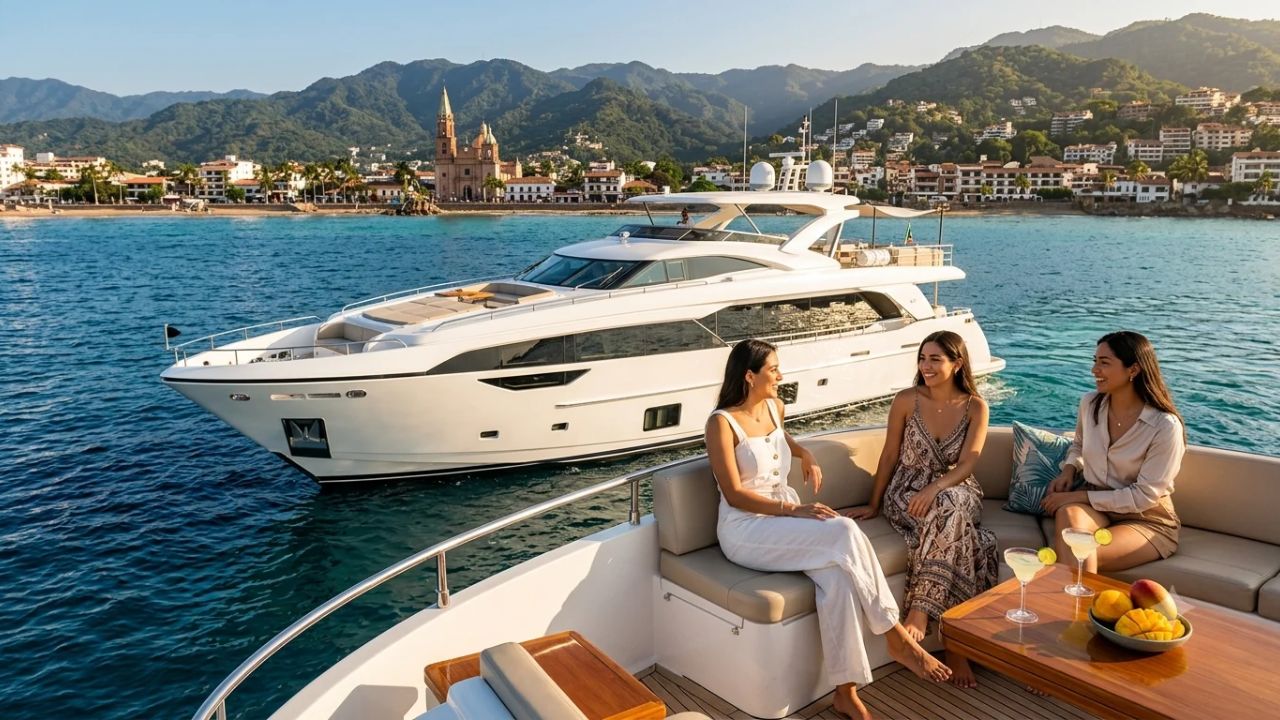
BYRBO has expanded its owner-direct yacht charter platform into Puerto Vallarta, connecting travelers with private vessel owners across Mexico, the US, and Europe.
PUERTO VALLARTA, November 3, 2026 — Digital yacht charter platform BYRBO has launched an international marketplace expansion anchoring its primary marine tourism growth in Puerto Vallarta, Mexico, connecting luxury travelers directly with private boat owners and commercial charter operators. Aiming to bypass conventional multi-tiered brokerage channels, the platform—short for Boat & Yacht Rentals by Owner—is rolling out an integrated Owner Command Center management suite across premier global boating destinations including Cabo San Lucas, Cancún, Miami, Fort Lauderdale, Key West, Mallorca, the French Riviera, and Phuket, while prompting charterers to navigate critical questions surrounding maritime safety compliance, Advanced Provisioning Allowance inclusions, and unverified operator rate advantages.
[!NOTE] Key Industry Analysis for Luxury Voyagers and Yacht Owners: The BYRBO marketplace introduces a zero-commission listing option designed to disintermediate traditional charter brokerage fees, which typically range from 15 to 20 percent. However, independent charterers must exercise diligence: zero-commission models do not automatically guarantee lower gross charter costs once fuel, captain fees, marina dockage, and local port taxes are calculated. Additionally, commercial charter legitimacy in Mexico requires strict adherence to Capitranía de Puerto permits, safety inspections, and marine park access regulations governing delicate marine ecosystems like the Marietas Islands and Cabo Pulmo.
BYRBO OWNER-DIRECT CHARTER MARKETPLACE TOPOLOGY
| Column 1 |
|---|
| [ LUXURY TRAVELER INTERFACE ] |
| * Destination Search: Filter by vessel length, draft, guest capacity, and amenities |
| * Transparent Inquiries: Direct messaging with vessel owners or authorized fleet managers |
| * Verified Crewed Charters: Captain qualifications, onboard provisioning, and route customization |
| v [ BYRBO DIGITAL ENGINE ] |
| [ OWNER COMMAND CENTER / BACK OFFICE ] |
| * Centralized CRM: Client records, booking calendars, automated quote generation |
| * Multi-Currency & Payment Processing: Deposit collection, escrow holding, balance settlement |
| * Bilingual Communications: Integrated Spanish/English interface for international operators |
| * AI-Assisted Yield Management: Dynamic pricing recommendations based on seasonal marine demand |
| v [ GLOBAL DESTINATION NETWORK ] |
| +---------------------------+----------------------------+-------------------------------------+ |
| +---------------------------+----------------------------+-------------------------------------+ |
The Puerto Vallarta Anchor: Banderas Bay, Punta Mita, and Pacific Luxury Boating
The selection of Puerto Vallarta as the focal anchor for BYRBO's Mexican expansion reflects a structural transformation in the luxury marine tourism economy of Mexico's Pacific coastline. Situated along the expansive curve of Banderas Bay—one of the deepest and largest natural bays in North America—Puerto Vallarta provides exceptional geographic protection from open-ocean swells, creating ideal conditions for private day charters, coastal sunset cruises, and extended liveaboard expeditions.
The marine territory surrounding Puerto Vallarta encompasses world-renowned luxury enclaves, most notably the Punta Mita peninsula to the north. Punta Mita has evolved into an ultra-high-net-worth playground, hosting five-star resorts, private gated villas, and the deep-water Marina Riviera Nayarit in La Cruz de Huanacaxtle. From these modern marina slips, private charterers embark on excursions to the Marietas Islands National Park, celebrated for its hidden beach and protected coral reefs, as well as secluded southern coves like Yelapa, Las Ánimas, and Quimixto, which are accessible only by sea.
Historically, luxury travelers seeking private yacht charters in Banderas Bay encountered a fragmented marketplace. Bookings were predominantly handled through hotel concierge desks, local street tour vendors, or traditional charter brokers, each layering significant commission margins onto the base vessel cost. By positioning Puerto Vallarta as a flagship marketplace, BYRBO attempts to aggregate private boat owners, licensed sportfishing captains, and commercial catamaran operators into a single digital clearinghouse. However, marine tourism analysts note that while digital visibility expands consumer options, actual charter delivery depends on the operational integrity of individual vessel operators, local dockage availability, and adherence to environmental zoning enforced by Mexico's National Commission of Protected Natural Areas (CONANP).
The seasonal calendar of Banderas Bay also introduces extraordinary natural phenomena that drive high-value charter demand throughout the winter and spring months. Between December and late March, thousands of humpback whales migrate from the sub-Arctic Pacific into the warm, sheltered nursery waters of the bay to calve and mate. Private yacht charters provide travelers with front-row encounters with breaching cetaceans, escorted by onboard marine biologists and licensed hydrophone operators who amplify underwater whale songs. Concurrently, deep submarine canyons plunging thousands of feet below the surface just off the coast of Punta Mita generate nutrient-rich upwellings that sustain resident populations of spinner dolphins, giant manta rays, and prized pelagic sportfish including yellowfin tuna and black marlin. Operating within such an ecologically diverse marine biosphere elevates the responsibility of private yacht captains, requiring strict compliance with federal wildlife observation protocols that mandate minimum approach distances and engine-idle zones.
Deconstructing the Owner-Direct Model: Disintermediation vs. Traditional Brokerage Networks
The foundational premise of the BYRBO platform is disintermediation: removing intermediate brokers from maritime charter transactions to create direct commercial connections between vessel owners and consumers. To evaluate this model, travelers must understand how traditional yacht charter brokerage functions.
In the conventional luxury yacht charter industry, transactions are governed by established international brokerage associations, such as the Worldwide Yachting Association (MYBA) or the International Yacht Brokers Association (IYBA). Under these traditional frameworks, a central retail broker represents the charterer, while a clearing broker represents the yacht owner. Together, these intermediaries deduct standard commissions typically ranging between 15 and 20 percent of the base charter fee. In exchange for this fee, established brokers provide comprehensive escrow account protection, execute standardized legal contracts with extensive indemnity clauses, inspect vessels to verify maintenance standards, and coordinate complex provisioning logistics through an Advanced Provisioning Allowance (APA).
BYRBO challenges this high-commission paradigm by introducing a peer-to-peer and owner-to-consumer digital marketplace. The platform offers participating vessel owners membership structures that feature a zero-commission model, allowing owners to retain one hundred percent of their agreed charter rate in exchange for a flat subscription or listing fee. Alternatively, owners can elect managed booking models that provide dedicated concierge support in exchange for reduced service charges.
While the elimination of brokerage commissions presents an attractive theoretical savings for consumers, travel commerce specialists emphasize that zero commission does not automatically translate into cheaper final retail prices. Yacht owners frequently set retail prices to match prevailing market rates, pocketing the commission differential as expanded operating margin rather than passing savings along to charterers. In addition, without the independent escrow guarantees and contractual liability buffers provided by accredited maritime brokerage houses, travelers using owner-direct platforms must exercise heightened vigilance regarding vessel safety certifications, cancellation protections, and mechanical breakdown contingencies.
Comparative Architecture: Traditional Yacht Brokerage vs. BYRBO Digital Platform
The operational mechanisms governing private yacht charters vary significantly between traditional maritime brokerage networks and modern owner-direct digital marketplaces. The following matrix illustrates the primary functional distinctions across contracting, fees, and operational verification.
| Operational Dimension | Traditional Luxury Yacht Brokerage (MYBA / IYBA) | BYRBO Owner-Direct Digital Marketplace |
|---|---|---|
| Intermediary Structure | Two-tier broker system (Retail Charter Broker + Central Clearing Agent) | Direct communication between charterer and vessel owner/manager |
| Commission & Fee Load | 15% to 20% commission deducted from gross base charter fee | Zero-commission owner subscription model alongside tiered managed booking options |
| Contractual Governance | Standardized international maritime contracts (e.g., MYBA Terms) | Platform-generated booking agreements or owner-specific private contracts |
| Payment & Escrow | Escrow accounts managed by licensed brokerage houses | Integrated digital payment gateways and platform-administered payment processing |
| Vessel Vetting Process | In-person broker inspections, yacht show surveys, and fleet audits | Digital owner listings, uploaded photography, and verified user reviews |
| Provisioning Logistics | Formal Advanced Provisioning Allowance (APA) accounts (typically 25–35%) | Tailored inclusions; direct coordination with captain/owner regarding food, bar, and fuel |
| Target Vessel Scope | Mega-yachts, superyachts, and crewed vessels (typically 80ft to 300ft+) | Versatile fleet: center consoles, day cruisers, catamarans, and luxury motor yachts |
Technology Infrastructure: The Owner Command Center, Bilingual CRM, and AI Tools
A central differentiating element of BYRBO's 2026 expansion strategy is the deployment of its proprietary enterprise management suite, marketed as the Owner Command Center or Owner Back Office. Rather than operating merely as a passive classified listing directory, BYRBO is attempting to provide independent boat owners and small fleet managers with software tools previously accessible only to major international management conglomerates.
The Owner Command Center functions as a centralized customer relationship management (CRM) platform engineered specifically for marine charter workflows. The system unifies incoming inquiries from global travelers, manages synchronized booking calendars across multiple marketing channels, and generates formal charter quotes that calculate seasonal pricing, passenger surcharges, and local marina fees. In addition, the platform integrates multi-currency digital payment processing, allowing international travelers to pay via major credit cards or wire transfers while enabling Mexican, European, or American boat owners to settle payouts in their domestic currencies.
Recognizing the international composition of luxury boating destinations, BYRBO engineered the Command Center with comprehensive bilingual capabilities in English and Spanish. In destinations like Puerto Vallarta, Cabo San Lucas, and Cancún, local Mexican captains and fleet administrators can manage operational schedules, vessel checklists, and maintenance logs in Spanish, while interacting with North American and European charterers through automated translation and localized English interfaces.
Looking toward future technology deployments, BYRBO has outlined initiatives to integrate artificial intelligence features into its management suite. Proposed capabilities include AI-driven dynamic pricing algorithms that evaluate local hotel occupancy, air travel arrivals, and marine weather forecasts to suggest optimal charter rates for yacht owners. Concurrently, automated messaging assistants are intended to streamline pre-charter provisioning questionnaires, collecting dietary preferences, excursion itineraries, and beverage orders from guests. However, enterprise software analysts observe that these AI capabilities represent developing roadmap milestones rather than fully deployed industry standards, noting that platform adoption will depend on ease of use for independent boat captains operating at dockside.
Mexican Marine Corridors: Cabo San Lucas Pelagic Waters and Cancún Caribbean Shallows
Beyond Puerto Vallarta, BYRBO's expansion encompasses Mexico's two other dominant luxury marine hubs: Cabo San Lucas and Cancún. Each market presents distinct navigational environments, passenger demographics, and operational demands.
At the southern tip of the Baja California Peninsula, Cabo San Lucas represents a premier global sportfishing and superyacht corridor where the Sea of Cortez meets the Pacific Ocean. Boating in Cabo centers around dramatic coastal landmarks, including El Arco and Land's End, before venturing into deep pelagic waters renowned for marlin, sailfish, and migratory humpback whales. The marina infrastructure in Cabo San Lucas accommodates multi-million-dollar sportfishers and mega-yachts, serving a high-spending North American clientele. Charters in this region demand powerful, ocean-going hulls capable of handling open-ocean swells and strong tidal currents.
In stark contrast, Cancún and the neighboring Riviera Maya offer access to the shallow, crystalline waters of the Mexican Caribbean. Charter operations in Cancún typically navigate the sheltered waters of the Nichupté Lagoon before crossing the turquoise shallows toward Isla Mujeres. The demand in Cancún skews toward luxury day catamarans, party yachts, and sleek motor yachts designed for sandbar anchoring, snorkeling over the Mesoamerican Barrier Reef, and beach club hopping. By aggregating vessels across Puerto Vallarta, Cabo San Lucas, and Cancún, BYRBO establishes a multi-coast Mexican presence that captures diverse Pacific, desert-ocean, and Caribbean leisure travelers.
North American Expansion: Miami, Fort Lauderdale, and Key West Waterway Connectivity
Parallel to its Mexican initiative, BYRBO is actively marketing its platform across South Florida's established recreational boating capitals: Miami, Fort Lauderdale, and Key West. South Florida represents the largest consumer boating market in North America, supported by world-class marina infrastructure, year-round warm weather, and a deeply ingrained yachting culture.
In Miami, private charter demand is concentrated around Biscayne Bay, Star Island, Fisher Island, and the sandbars of Haulover Inlet. The Miami market features a high volume of day charters, corporate entertainment outings, and celebrity celebrations aboard luxury cruisers and sleek European sport yachts. Northward in Fort Lauderdale—widely celebrated as the Yachting Capital of the World—the marine network encompasses over 300 miles of navigable inland waterways, extensive mega-yacht repair shipyards, and deep-water ocean inlets, attracting seasoned international yachting enthusiasts. Further south, Key West serves as the gateway to the Florida Keys National Marine Sanctuary, where shallow-draft catamarans and motor yachts explore mangrove estuaries, coral reefs, and remote sandbars.
In these mature American markets, BYRBO confronts established digital competitors, including Boatsetter and GetMyBoat, alongside traditional brokerage firms. To gain market traction, BYRBO emphasizes its owner-direct relationship model and zero-commission fee structure, appealing to independent boat owners frustrated by high transaction cuts levied by mainstream peer-to-peer rental platforms.
European and Asian Gateways: From the French Riviera and Balearics to Phuket's Andaman Sea
The international scope of the BYRBO marketplace extends to premier coastal destinations across Europe and Southeast Asia, reflecting the migratory patterns of global luxury travelers.
In the Western Mediterranean, the platform promotes vessel discovery across the French Riviera—including iconic ports of call such as Monaco, Cannes, and Saint-Tropez—alongside the Balearic Islands of Mallorca and Ibiza. These historic European yachting capitals represent the global gold standard of luxury yachting, characterized by rigorous maritime regulations, high marina dockage fees, and intense summer charter demand. In the Eastern Mediterranean, destination listings encompass the dramatic limestone coasts of Dubrovnik in Croatia and the island-hopping corridors of Mykonos and the Cyclades in Greece.
In Southeast Asia, BYRBO has established a foothold in Phuket, Thailand. Operating from modern deep-water facilities such as the Royal Phuket Marina and Ao Po Grand Marina, charterers navigate the dramatic karst limestone topography of Phang Nga Bay, the pristine beaches of the Phi Phi Islands, and the diving grounds of the Andaman Sea. Operating in diverse international jurisdictions requires the platform to accommodate varying local maritime legal codes, environmental regulations, and crew licensing standards, reinforcing the necessity for transparent operational disclosure.
Operational Realities and Regulatory Scrutiny: Maritime Safety, Commercial Permits, and Insurance
While digital marketplaces make booking a luxury yacht as intuitive as reserving a holiday villa, private maritime charters carry legal, physical, and financial responsibilities that do not exist in traditional land-based hospitality. Commercial maritime navigation is heavily regulated across all sovereign jurisdictions to protect passenger safety and marine ecosystems.
In Mexico, commercial charter operations are strictly governed by the Secretariat of the Navy (SEMAR) through local Port Captaincies (Capitanía de Puerto). For a vessel to legally accept paying passengers, the boat must hold a valid commercial navigation permit (Permiso de Turismo Náutico), undergo annual marine safety inspections, and carry comprehensive commercial passenger liability insurance. The master must hold a certified commercial captain's license (Libreta de Mar) issued by Mexican maritime authorities.
Equally important, popular natural attractions—such as the Marietas Islands off Puerto Vallarta or the coral reefs of Cabo Pulmo—are designated federal protected areas. Operating vessels must possess specialized environmental permits, employ certified eco-guides, and adhere to strict daily passenger quotas. When booking through an open digital marketplace, travelers must independently verify that the vessel and crew possess all legal commercial authorizations. Boarding an unpermitted private vessel—commonly referred to in the maritime industry as a 'bareboat charter loophole' or illegal charter—can lead to vessel impoundment by coast guard authorities, voided insurance coverage, and catastrophic financial liability in the event of an onboard injury.
From a regulatory perspective, Mexican maritime law establishes a critical legal distinction between bareboat demise charters and commercial passenger time-charters. In a genuine bareboat agreement, the charterer assumes full legal possession, operational command, and navigational liability for the vessel, selecting their own qualified crew. In contrast, owner-direct platforms predominantly market crewed recreational time-charters, where the vessel owner retains operational command and provides a paid captain. Under guidelines enforced by the Secretariat of the Navy, any recreational craft carrying paying passengers under the care of a provided crew legally functions as a commercial tourism vessel. Consequently, Port Captaincy inspectors frequently conduct dockside audits at marinas across Puerto Vallarta and Cabo San Lucas, examining passenger manifests, confirming life raft inspection certificates, and verifying that the vessel's hull insurance specifically covers commercial charter operations rather than private pleasure cruising.
Financial Transparency: Demystifying Base Rates, APA Deposits, Fuel Surcharges, and Zero-Commission Claims
A persistent challenge confronting first-time yacht charterers is understanding the complex financial anatomy of luxury boat pricing. Marketing slogans advertising zero commissions or discounted base rates frequently mask substantial additional operating expenses that determine the true retail cost of a charter.
In the luxury yacht sector, the advertised price is typically the base vessel charter rate. On larger motor yachts and mega-yachts, this base rate covers only the physical vessel, captain, and crew wages. Operating expenses are handled through the Advanced Provisioning Allowance (APA), an upfront cash deposit typically equal to 25 to 35 percent of the base charter fee. The APA is placed in an operational account to cover variable expenses consumed during the voyage, including marine diesel fuel, marina docking fees, food provisions, fine wines and spirits, customs clearances, and water sports equipment rentals. At the conclusion of the charter, the captain presents an itemized accounting of all expenses, refunding any unused capital or billing the client for any shortfall.
ANATOMY OF A LUXURY YACHT CHARTER INVOICE
| Column 1 |
|---|
| [ 1. BASE CHARTER RATE ] |
| * Covers vessel hire, captain, deck crew, and standard onboard equipment. |
| * Promoted by digital platforms; often subject to zero-commission or flat listing fees. |
| [ 2. ADVANCED PROVISIONING ALLOWANCE (APA: 25% - 35%) ] |
| * Marine Fuel: Main engines, generators, and tender watercraft (billed at actual consumption). |
| * Food & Beverages: High-end provisioning tailored to custom guest preference sheets. |
| * Dockage & Berthing: Overnight marina slip fees and municipal harbor utility hookups. |
| [ 3. STATUTORY TAXES & CREW GRATUITIES ] |
| * Value Added Tax (VAT / IVA): Ranging from 16% in Mexico to 20%+ in Mediterranean European waters. |
| * Customary Crew Gratuity: Standard industry practice benchmarks tips at 15% to 20% of base rate. |
For smaller day charters in destinations like Puerto Vallarta or Miami, operators often offer 'all-inclusive' pricing. However, travelers must scrutinize what is genuinely included. An all-inclusive day rate may cover local fuel at idle cruising speeds, standard bar options, and basic snacks, while charging heavy surcharges for open-throttle runs, premium champagne, or marina pickup fees at private resort docks. Transparent communication through the BYRBO messaging portal is essential to ensure travelers receive written, comprehensive quotes detailing all financial obligations prior to payment.
Actionable Charterer Protocol: Auditing Vessels, Crew Licensing, and Weather Cancellation Terms
To protect against operational disruptions, unexpected billing, and safety hazards when using owner-direct yacht rental platforms, travelers should implement a structured pre-booking verification checklist:
- Demand Written Proof of Commercial Charter Registration: Verify that the vessel is registered for commercial passenger transport with local maritime authorities (such as the Mexican Capitanía de Puerto or US Coast Guard). Ensure the vessel carries active commercial passenger liability insurance rather than standard private recreational coverage.
- Confirm Captain and Crew Credentials: Confirm that the vessel will be operated by a professionally licensed captain holding valid maritime certifications. Ask whether professional deckhands or stewards are included, particularly for groups with young children or elderly guests.
- Clarify Detailed Inclusions and Surcharges: Request a written breakdown specifying whether the quoted price covers marine fuel, dockage fees, local sales tax (such as Mexico's 16% IVA), national park entry wristbands, and open bar provisions. Establish whether overtime hourly fees apply if sea conditions delay return to port.
- Review Weather-Related Cancellation Clauses: Marine charters are inherently vulnerable to ocean conditions. Ensure the charter agreement contains clear, equitable provisions regarding weather cancellations. In destinations like Banderas Bay or Cabo San Lucas, Port Captains frequently close harbors to small craft during high swells or storm warnings. Confirm that a full refund or penalty-free rescheduling is guaranteed if the port authority closes the harbor.
- Inspect Safety Equipment Parameters: Before boarding, verify that the vessel is equipped with appropriately sized life jackets for all passengers, functioning marine VHF communications, emergency signaling flares, life rafts, and comprehensive first-aid medical kits.
Frequently Asked Questions About BYRBO's Owner-Direct Yacht Rental Marketplace
What is BYRBO and how does its yacht rental model work?
BYRBO (Boat & Yacht Rentals by Owner) is a digital marine marketplace that connects travelers directly with private boat owners and commercial charter operators. By removing traditional multi-tiered yacht brokers, the platform enables direct communication, custom trip planning, and transparent booking management through its proprietary Owner Command Center software suite.
How does BYRBO's zero-commission model benefit yacht owners and charterers?
BYRBO offers participating vessel owners a zero-commission membership option, allowing owners to retain one hundred percent of their base charter fee in exchange for a flat subscription or listing fee. For charterers, the model aims to eliminate the 15 to 20 percent commission markup traditionally added by retail charter brokers, although final retail pricing depends on individual owner rates.
What Mexican destinations are featured on the BYRBO platform?
BYRBO's primary Mexican destinations include Puerto Vallarta (covering Banderas Bay, Punta Mita, and surrounding coastal coves), Cabo San Lucas (navigating Land's End and pelagic waters in the Sea of Cortez), and Cancún (serving the Mexican Caribbean, Isla Mujeres, and the Riviera Maya).
What legal certifications should travelers check before booking a yacht charter in Mexico?
Travelers should verify that the vessel possesses a valid commercial navigation permit (Permiso de Turismo Náutico) issued by the Mexican Capitanía de Puerto, active commercial passenger insurance, and environmental permits if entering marine protected areas such as the Marietas Islands. The captain must hold a certified commercial maritime license (Libreta de Mar).
What additional costs beyond the base rental fee should charterers expect?
Depending on whether the charter is a day cruise or multi-day liveaboard, charterers may encounter additional costs including an Advanced Provisioning Allowance (APA) for fuel and provisions, local sales taxes (such as 16% IVA in Mexico), dockage fees at private marinas, protected natural park access fees, and customary crew gratuities (typically 15% to 20% of the base charter rate).
Related Travel Guides
- Hapag-Lloyd Cruises Announces Major 2027 Europa 2 Suite Renovation in Singapore
- Viking Takes Delivery of Viking Haki: 190-Guest Longship Expands Rhine, Main, and Danube Fleet
- Royal Caribbean Extends Labadee Haiti Cruise Suspension Through April 2028: Caribbean Itineraries Diverted
- Century Cruises Launches Century Star: Concordia Damen Hybrid Ship Debuts Luxury Yangtze-European Fusion
- Australia Cruise Travel Protections Under Scrutiny as Southern Hemisphere Markets Clash on Refunds and Medical Rescues
This article is for informational purposes. Flight routes, passenger regulations, visa rules, and transit advisories are subject to change by airlines and aviation authorities. Readers are advised to verify schedules and travel documentation with relevant carriers and border agencies before departure.
Related Stories

10 Best Boston to Montreal Road Trip Stops Reddit Travelers Recommend in 2026

10 Best Seattle to Vancouver Road Trip Stops Reddit Travelers Recommend in 2026