
Bulgaria and Finland Emerge as Top 2026 Tourism Hotspots as Travelers Pivot from Middle East
Bulgaria and Finland are seeing a surge in 2026 tourism as travelers prioritize safety and cooler climates over traditional Middle Eastern destinations and overheating southern Europe.

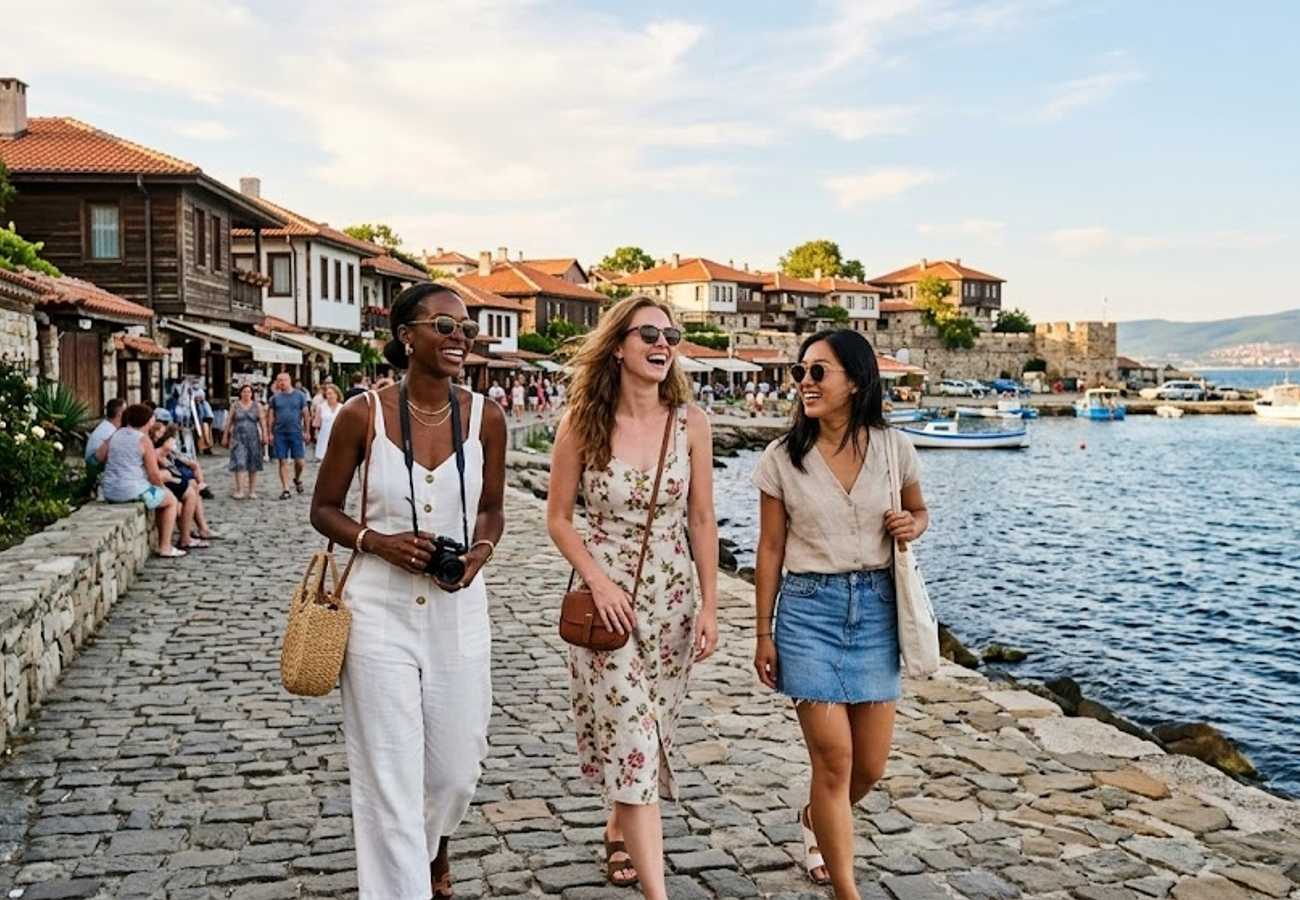
Image generated by AI
Travelers are aggressively pivoting toward Northern and Eastern Europe for 2026, driven by a desire for geopolitical stability and "coolcation" climates as Middle Eastern uncertainty and Mediterranean heatwaves reshape global movement.
Regional instability and security concerns in the Middle East have triggered a measurable shift in summer travel patterns. Market data indicates that global tourists are now prioritizing predictability and safety, leading to a surge in bookings for European destinations that offer secure environments and refreshing weather.
The Rise of the "Coolcation" and Safe Havens
A distinct trend is emerging where travelers are ditching traditional high-heat destinations in favor of Nordic and Baltic regions. Finland and Norway are the primary beneficiaries of this shift, offering "cool-weather adventures" as an alternative to the extreme temperatures now common in Southern Europe.
Simultaneously, Bulgaria has positioned itself as a high-performance summer hub, leveraging its Black Sea coastline to attract those seeking affordable, secure European beach holidays.
Regional Performance Breakdown
Bulgaria: The Black Sea Powerhouse Bulgaria is currently one of the European Union's most concentrated summer markets.
- Data Point: Eurostat figures show Bulgaria recorded approximately 43.4% of its total annual tourism overnight stays during July and August 2025.
- Primary Hubs: Sunny Beach, Nessebar, Varna, Burgas, Golden Sands, and Sozopol.
- Strategic Shift: Authorities are now diversifying beyond the coast to promote wine tourism, mountain holidays, and cultural routes to ensure year-round revenue.
Finland: The Arctic Alternative Finland is capturing the "coolcation" market, attracting visitors who find southern Mediterranean temperatures prohibitive.
- Key Attractions: Lapland adventures, Finnish Lakeland, Helsinki, and midnight sun experiences.
- Focus: Sustainable travel policies and the promotion of forest tourism and wildlife encounters.
Croatia: EU Leader in Summer Concentration Croatia maintains the highest summer tourism concentration in the EU, with over 50% of its annual tourism nights occurring in July and August.
- Strategic Pivot: Moving toward "premium tourism" to attract high-value visitors and encourage longer stays in Dubrovnik and Split.
Comparative Summer Tourism Dynamics
| Destination | Primary Driver | Key 2026 Appeal | Strategic Focus |
|---|---|---|---|
| Bulgaria | Affordability & Coast | Black Sea Beaches | Year-round diversification |
| Finland | Climate & Nature | Arctic/Forest Escapes | Sustainability & Wellness |
| Croatia | Adriatic Beauty | Luxury Coastal Resorts | Premium, high-value stays |
| Norway | "Coolcation" | Fjords & Northern Lights | Rural community support |
| Albania | Emerging Value | Albanian Riviera | Infrastructure investment |
Other Notable European Shifts
- Greece: Attempting to break the summer-only cycle by promoting gastronomy and wellness travel in the winter.
- Portugal: Growing rapidly due to a combination of safety, infrastructure, and diverse regions like the Azores and Madeira.
- Albania & Montenegro: These Balkan nations are emerging as affordable alternatives to expensive Mediterranean spots, with the Albanian Riviera and the Bay of Kotor seeing significant growth.
Why This Matters: Industry Analysis
From a logistical and market perspective, this shift represents more than just a preference for cooler air. We are seeing a risk-aversion migration. When travelers "ditch" the Middle East due to regional uncertainty, they don't just look for another beach; they look for "predictable experiences."
For the aviation and hospitality sectors, this means a redistribution of capacity. We expect to see an increase in charter flight frequencies to Varna (Bulgaria) and Helsinki (Finland) during the peak window. The "coolcation" trend is no longer a niche preference—it is a strategic response to climate change and global volatility. For the traveler, this means that booking windows for Nordic destinations will likely close faster and prices will rise as the "summer heat escape" becomes a primary driver of demand.
Forward Outlook
Expect a continued surge in "secondary destination" growth. As Croatia and Greece face over-tourism, the momentum will likely transfer further into the Balkans (Albania and Montenegro) and the Baltics. The industry will likely see a permanent shift in the "summer" definition, with the peak season stretching further north and east to accommodate those fleeing both heat and geopolitical instability.
The era of the predictable Mediterranean summer is evolving into a diversified European exploration.
Related Travel Guides
Disclaimer
This article is for informational and educational purposes only. It does not constitute legal, financial, or professional advice. While we strive to provide accurate and up-to-date information, travel policies, regulations, and conditions change rapidly. Always verify information with official sources before making travel decisions. Nomad Lawyer makes no representations about the accuracy, reliability, completeness, or suitability of the information provided. Readers should consult qualified professionals for advice specific to their circumstances. The views expressed in this article are those of the author and do not necessarily reflect the views of Nomad Lawyer.
Raushan Kumar
Founder & Lead Developer
Full-stack developer with 11+ years of experience and a passionate traveller. Raushan built Nomad Lawyer from the ground up with a vision to create the best travel and law experience on the web.
Learn more about our team →