
European Commission and Tourism Boards Highlight Bulgaria and Finland as Top Safe Travel Destinations for Cool-Weather and Beach Stays in 2026: New Travel Alert
Bulgaria and Finland emerge as leading tourism hotspots in 2026, drawing travelers seeking safety and cooler weather away from volatile transit regions.

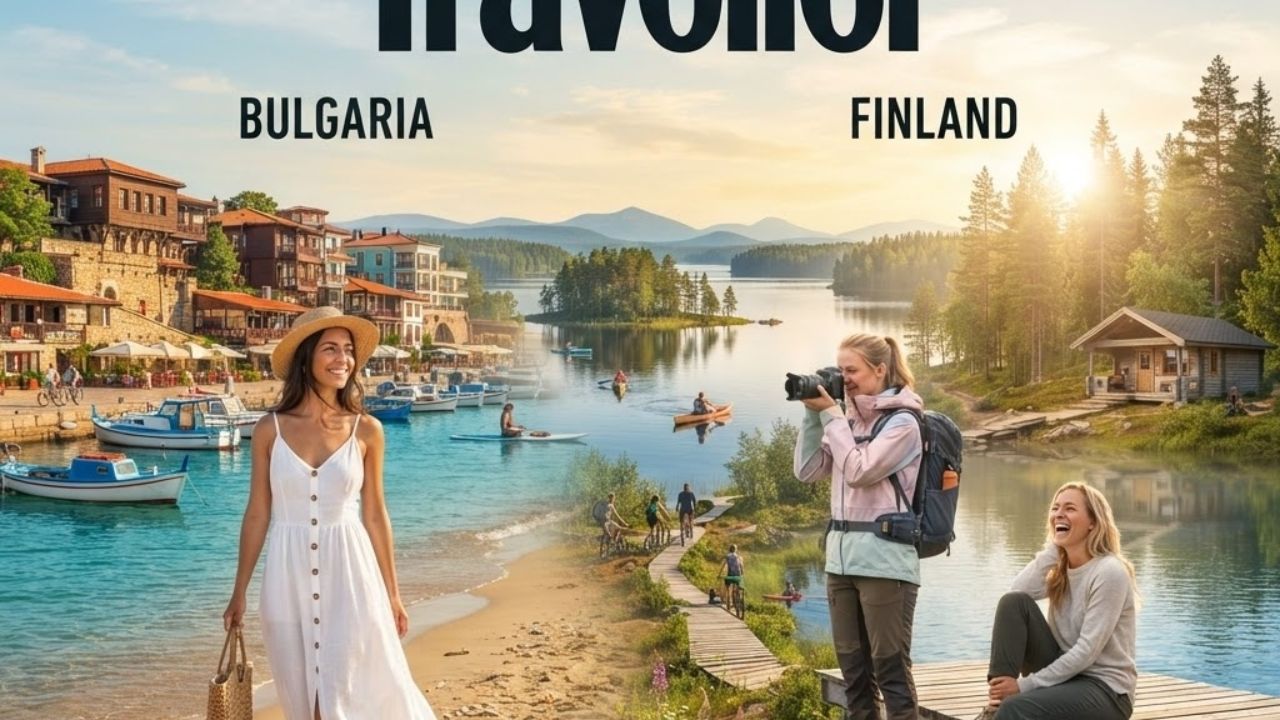
Image generated by AI
Published on July 25, 2026
A major pivot is occurring in global tourism flows as travelers prioritize security and stable conditions, looking for safe travel destinations across Europe for their summer vacations. According to the latest European data, countries like Bulgaria and Finland are experiencing massive visitor growth as holidaymakers bypass regions affected by geopolitical instability and extreme heat. From sandy Black Sea beaches to peaceful Nordic lakes, these countries offer predictable and relaxing summer trips.
Quick Summary
- European Rebound: European destinations are gaining significant momentum as travelers seek stable coastal and cool-weather vacation options.
- Bulgaria's Coastal Focus: Sunny Beach and Golden Sands drove high summer concentration, with 43.4% of annual stays occurring in July and August.
- Finland's Coolcation Appeal: Drawing travelers seeking escape from southern European heat waves with Lapland wilderness and lake stays.
- Safety Shifts: Concerns over Middle East airspace closures and regional flight disruptions are redirecting travelers to secure European hubs.
Context and Background: Geopolitical Shifts Drive Demand for Safe Travel Destinations
The global travel market is facing changing demands as security conditions and climate shifts influence booking patterns. As travelers plan holidays months in advance, predictability and safety are their top priorities, which has affected traditional long-haul transit hubs.
Rather than booking flights through regions managing airspace limits or geopolitical instability, travelers are choosing stable European alternatives. By promoting beaches, national parks, and wellness resorts, European countries are positioning themselves as safe travel destinations that offer peace of mind alongside rich cultural experiences.
Event and Incident Details: Bulgaria and Finland Lead the 2026 Summer Surge
The core of this travel update covers the specific visitor trends, climate advantages, and regional highlights of the leading European destinations.
Summer Concentration of Annual Tourism Stays (Eurostat Data):
| Country | July & August Peak Stay Share | Key Regional Resorts & Hubs | Primary Vacation Style |
|---|---|---|---|
| Croatia | Over 50% | Dubrovnik, Split, Hvar, Adriatic islands | Historic city breaks, coastal luxury, and yacht cruising |
| Bulgaria | 43.4% | Sunny Beach, Nessebar, Varna, Burgas, Golden Sands | Affordable beach vacations, wellness, and historic ruins |
| Greece | High concentration | Santorini, Mykonos, Crete, Rhodes, Athens | Cultural heritage, island hopping, and summer beaches |
Comparison of European Destination Strengths:
- Bulgaria: Bulgaria stands out for its high summer concentration, with 43.4% of its annual overnight stays occurring during July and August. Tourism hubs like Nessebar and Sozopol combine sandy beaches with historical sites, while the country expands year-round travel through mountain sports and spa retreats.
- Finland: Finland is a major beneficiary of the "coolcation" trend, drawing travelers looking to escape extreme summer heat. Regions like Finnish Lakeland, Helsinki, and Lapland offer midnight sun experiences, hiking, forest tourism, and sustainable lakeside cottages.
- Norway: Norway attracts nature lovers with its fjords, arctic road trips, and Northern Lights, emphasizing sustainable tourism in rural areas like Tromsø, Bergen, and the Lofoten Islands.
- Portugal: Portugal continues to grow by promoting the Algarve, Lisbon, and Porto, alongside rural escapes in Madeira and the Azores.
- Albania & Montenegro: Emerging Balkan coastal stars. Albania's Riviera (Ksamil, Saranda) provides cheap beach options, while Montenegro’s Kotor Bay combines dramatic fjord-like landscapes with luxury.
- Spain: Maintains its massive lead through Barcelona, Madrid, and the Balearic Islands, while investing in spreading tourist demand across seasons to combat overcrowding.
Risk and Impact: Heat Waves and Airspace Restrictions Influencing Travel Decisions
Geopolitical and environmental risks in alternative regions are driving the shift toward European destinations:
Travel Constraints vs. European Advantages:
| Travel Concern in Volatile Areas | Impact on Holiday Planning | European Tourism Advantage |
|---|---|---|
| Airspace Disruption Risk | Temporary route closures and flight delays | Stable European aviation networks and rail corridors |
| Extreme Heat Waves | Southern European heat waves limit daytime activities | Northern "coolcation" options (Finland, Norway) |
| Security Volatility | Reduced confidence for families booking early | High safety indices and reliable emergency services |
| High Local Inflation | Expensive resort fees and daily dining | Affordable emerging markets (Bulgaria, Albania) |
What Authorities and Statistical Agencies Are Saying
European tourism boards note that travelers are looking for destinations that combine natural beauty with predictability. Eurostat reports confirm that Southern and Eastern European coastal regions continue to receive the highest share of peak summer stays.
Authorities emphasize that the rising demand for cooler northern climates represents a long-term change in travel habits. By developing sustainable infrastructure and promoting lesser-known regions, countries like Finland and Norway aim to manage tourist flows without causing local environmental strain.
Practical Traveler Advice: Planning Trips to Safe Travel Destinations in Europe
For tourists preparing to organize a holiday in these rising European hotspots, travel specialists suggest the following tips:
- Pre-Book Summer Accommodations: Reserve Black Sea or Adriatic coast rentals early, as peak July and August dates sell out quickly.
- Monitor Flight Routings: Check aviation path updates to ensure your flights do not cross restricted airspace corridors.
- Explore Northern Coolcation Options: Plan visits to Finland or Norway during mid-summer to enjoy comfortable temperatures and outdoor activities.
- Choose Regional Public Transport: Use local train and bus lines to travel between cities, reducing your environmental footprint.
- Purchase Comprehensive Insurance: Confirm that your travel insurance policy covers flight cancellations and medical emergencies.
Broader Context: Regional Highs in Croatia, Greece, Norway, and Spain
The growth of Bulgaria and Finland is part of a wider shift across Europe. Croatia records the highest summer tourism concentration in the EU, with over half of its annual nights booked in July and August.
Concurrently, Greece is adjusting its strategy to promote year-round travel, highlighting winter escapes, cultural routes, and gastronomy in mainland areas. Norway and Portugal are expanding their rural programs to encourage visitors to explore beyond major cities, supporting local communities and reducing pressure on crowded hotspots.
Looking Ahead: Year-Round Diversification and Infrastructure Upgrades
Looking past the 2026 season, European destinations will continue to diversify their offerings to attract visitors during the shoulder and off-peak months. Bulgaria is promoting wine tours, wellness travel, and historic routes, while Finland is expanding its winter Lapland excursions.
These initiatives aim to stabilize tourism employment and provide visitors with unique experiences throughout the year. As public transport networks and regional flight routes expand, these countries will become even more accessible.
Conclusion: Exclusivity, Security, and Peace of Mind in 2026
The emergence of Bulgaria and Finland as key travel hotspots highlights the priority modern travelers place on safety and comfort. By offering secure beach vacations along the Black Sea and refreshing nature escapes in the Nordic forests, these countries represent the future of European tourism. By planning early, choosing sustainable operators, and exploring emerging destinations, travelers can enjoy memorable vacations with confidence.
FAQ: Europe’s Safe Travel Destinations and Coolcation Spots
What makes Bulgaria a popular summer travel destination?
Bulgaria offers affordable beach resorts, family-friendly facilities, and historic coastal towns along the Black Sea, making it a top choice for summer holidays.
Why is Finland attracting summer travelers?
Finland is drawing visitors who want to escape southern European heat waves, offering cool-weather forest hikes, lake stays, and sustainable travel options.
What percentage of Bulgaria's overnight stays occur in summer?
According to Eurostat, 43.4% of Bulgaria's annual tourism overnight stays occur during the peak months of July and August.
What is "coolcation" travel?
It is a travel trend where holidaymakers choose cooler northern climates (like Norway or Finland) during summer to avoid extreme heat.
Related Travel Guides
- Italy Heritage Tourism Boom: 2026 UNESCO Travel Guide
- Wellington Warns of Airspace Closures and Embassy Shutdown in Tehran, Updating New Zealand Travel Advisory for United Arab Emirates, Qatar, and Gulf Countries: New Travel Alert
- European Tourism Map Shifts as Bulgaria, Türkiye, and Albania Lead a New Affordable Revolution for Travelers Seeking Premium Experience budget holidays: New Travel Alert
Disclaimer
This article is for informational and educational purposes only. It does not constitute legal, financial, or professional advice. While we strive to provide accurate and up-to-date information, travel policies, regulations, and conditions change rapidly. Always verify information with official sources before making travel decisions. Nomad Lawyer makes no representations about the accuracy, reliability, completeness, or suitability of the information provided. Readers should consult qualified professionals for advice specific to their circumstances. The views expressed in this article are those of the author and do not necessarily reflect the views of Nomad Lawyer.
Kunal K Choudhary
Co-Founder & Contributor
A passionate traveller and tech enthusiast. Kunal contributes to the vision and growth of Nomad Lawyer, bringing fresh perspectives and driving the community forward.
Learn more about our team →