
Ministry of Tourism Reports Record Interest as Heritage Tourism in Italy Surges, Drawing Millions to Pompeii, Rome, and Sicily's UNESCO Wonders: New Travel Alert
Italy enters a major heritage tourism revival as international travelers rush to explore Rome, Pompeii, Sicily, and Ravenna's UNESCO sites.

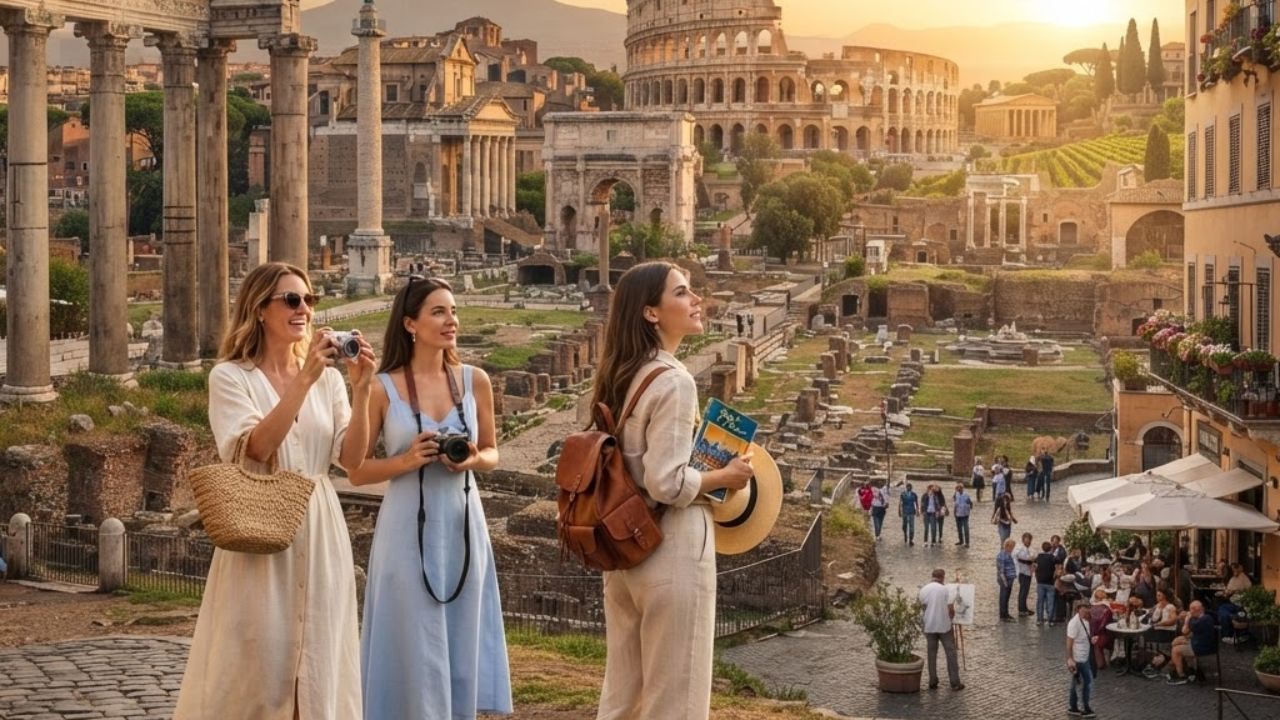
Image generated by AI
Published on July 25, 2026
A major travel revival is sweeping across the Mediterranean as heritage tourism in Italy records unprecedented passenger volumes and online search traffic. Backed by 61 UNESCO World Heritage Sites, the country is drawing global explorers seeking ancient history, archaeological discoveries, and immersive cultural journeys. Travelers are increasingly prioritizing historical sites like the Roman Forum, the preserved streets of Pompeii, and Ravenna’s Byzantine mosaics over traditional beach holidays.
Quick Summary
- Global Leader: Italy holds 61 UNESCO World Heritage Sites, the highest count of recognized cultural and natural treasures of any nation.
- Surging Public Interest: Online searches for "Pompeii tours" jumped by over 5,000% in the last month, while "UNESCO Italy" searches rose 80% in a single week.
- Unique Preservations: The 79 AD eruption of Mount Vesuvius preserved Pompeii in ash and Herculaneum in volcanic mud, offering frozen glimpses of Roman domestic life.
- Multicultural Heritage: Sicily combines Greek temples (Agrigento), Roman mosaics (Piazza Armerina), and a 2,000-year-old theater (Taormina).
Context and Background: Unprecedented Demand for Heritage Tourism in Italy
Italy's travel industry is entering an expansion phase driven by travelers seeking deep, educational connections with the past. While coastal beaches, local food, and fashion remain popular, the country's historic sites have become the primary drivers of international arrivals.
From the ruins of the Roman Empire to Byzantine mosaic ceilings, the country offers multiple historical eras within a single border. This trend represents a global shift toward experiential travel, as tourists choose to explore archaeological zones, under-city tunnels, and ancient ruins directly.
Event and Incident Details: Pompeii, Rome, and Sicily Lead the Influx
The core of this heritage boom focuses on the specific historical sites, cities, and archaeological attractions drawing record crowds.
Online Search Interest Metrics for Italian Travel:
| Search Term | Growth Rate | Measurement Window | Target Interest |
|---|---|---|---|
| "Pompeii tours" | +5,000% | Last month | Guided excavations, Mount Vesuvius history, day trips |
| "UNESCO Italy" | +80% | Last week | World Heritage Sites, cultural routes, architectural tours |
Italy's Top Historical Regions and Core Heritage Attractions:
| Region & City | Primary Civilizations Represented | Signature Heritage Sites | Key Archaeological Features |
|---|---|---|---|
| Rome | Roman Empire, Early Christianity | Roman Forum, Palatine Hill, Domus Aurea, San Clemente | Imperial palaces (founded 753 BC), underground ruins, Nero's villa |
| Pompeii & Herculaneum | Roman Empire (Pre-79 AD) | UNESCO Archaeological Areas of Pompeii & Herculaneum | Streets preserved in volcanic ash; wooden furniture preserved in mud |
| Sicily | Ancient Greece, Rome, Norman | Valley of the Temples, Villa Romana del Casale, Syracuse | Agrigento Greek temples, Piazza Armerina mosaics, Taormina Greek Theatre |
| Naples | Ancient Greece, Rome, Medieval | Historic Centre (UNESCO), Naples Underground | Underground Greek-Roman tunnels, National Archaeological Museum |
| Ravenna | Byzantine Empire, Early Christianity | Early Christian Monuments, Mausoleum of Galla Placidia | Deep blue mosaic ceilings, Sant’Apollinare Nuovo emperor mosaics |
Risk and Impact: Carrying Capacity Strain and Overtourism Pressures
The sudden increase in cultural travel introduces several operational risks for heritage sites:
- Site Erosion and Physical Wear: High visitor traffic on ancient stone streets and delicate mosaic floors can accelerate physical wear and damage.
- Crowd Management Pressures: Famous areas like the Roman Forum and Pompeii face significant crowd control challenges during summer peak hours.
- Deterioration of Delicate Materials: In locations like Herculaneum, exposure to humidity and light can degrade organic items like ancient wood and frescoes.
- Accommodation Congestion: Increased demand in cities like Rome and Ravenna can raise local lodging rates and strain regional transport systems.
What Authorities and Archaeological Bodies Are Saying
Italy’s Department of Tourism and local archaeological divisions emphasize that preserving cultural assets is just as important as expanding visitor access. Curators note that the surge in search queries shows that modern tourists want immersive, informative experiences.
Planners are adjusting site regulations, including introducing timed entry passes and capping daily visitor numbers at popular sites like Pompeii. These measures aim to protect ancient ruins from erosion while ensuring a safe, less crowded experience for visitors.
Practical Traveler Advice: Planning Your Journey for Heritage Tourism in Italy
For travelers planning a cultural trip to Italy, heritage travel specialists suggest the following tips:
- Pre-Book Entry Tickets Early: Secure timed-entry passes online for popular sites like the Colosseum and Pompeii to guarantee access.
- Explore Secondary Heritage Sites: Visit lesser-known locations like Herculaneum or Ravenna to experience ancient history without large crowds.
- Visit During Off-Peak Hours: Schedule your archaeological visits for early morning or late afternoon to avoid midday crowds and high temperatures.
- Use Certified Tour Guides: Hire registered guides to gain detailed historical context and ensure you follow site preservation rules.
- Explore Underground Attractions: Book tours of Naples Underground or the Basilica of San Clemente to discover hidden layers of history.
Broader Context: Preserved Excavations from Mount Vesuvius to the Byzantine Empire
The unique value of Italy’s heritage attractions comes from the preservation of its archaeological sites:
- Pompeii vs. Herculaneum: Pompeii was buried under volcanic ash during the 79 AD eruption of Mount Vesuvius, preserving public buildings and homes. Herculaneum was buried under volcanic mud, which sealed and preserved wooden doors, roofs, beds, and detailed interior decorations.
- Byzantine Ravenna: As the Western Roman Empire declined, Ravenna became a key artistic center. Its early Christian monuments contain vibrant mosaics, such as the starry blue ceiling at the Mausoleum of Galla Placidia.
- Ancient Greece in Sicily: Long before Rome expanded, Greek settlers founded cities in Sicily. Sites like Syracuse and Agrigento’s Valley of the Temples contain some of the best-preserved examples of Greek architecture outside Greece.
Looking Ahead: Continued Excavation Programs and New Technology Integrations
Looking past the 2026 season, Italian heritage authorities plan to utilize new technologies to enhance the visitor experience. This includes using virtual reality (VR) to show how ancient buildings looked in their prime, and installing digital sensors to monitor humidity in fragile ruins.
Archaeological work continues beneath the streets of Rome and Naples, promising new discoveries that will expand our understanding of the ancient Mediterranean. By combining preservation efforts with smart technology, Italy aims to welcome a new generation of travelers while protecting its historical legacy.
Conclusion: A Living Connection to Human History
The ongoing growth in cultural arrivals highlights the enduring appeal of Italy’s historical assets. By choosing to explore the ruins of Rome, the preserved streets of Pompeii, the temples of Sicily, the tunnels of Naples, and the mosaics of Ravenna, travelers gain a direct connection to human history. As heritage managers balance visitor access with conservation, Italy remains the ultimate global destination for travelers seeking meaningful, historical journeys.
FAQ: Heritage Tourism in Italy and Cultural Stays
Why is Italy considered a top destination for heritage tourism?
Italy holds 61 UNESCO World Heritage Sites, more than any other nation, spanning Roman ruins, Greek temples, and Byzantine art.
What is the difference between Pompeii and Herculaneum?
Pompeii was buried under volcanic ash, preserving streets and public buildings, while Herculaneum was buried under mud, preserving wooden items and home interiors.
When was Palatine Hill in Rome founded?
According to Roman tradition, Palatine Hill is connected with the founding of the city in 753 BC.
Where can I see Byzantine mosaics in Italy?
The city of Ravenna is globally famous for its Byzantine mosaics, particularly at the Mausoleum of Galla Placidia and Basilica di Sant’Apollinare Nuovo.
Related Travel Guides
- Wellington Warns of Airspace Closures and Embassy Shutdown in Tehran, Updating New Zealand Travel Advisory for United Arab Emirates, Qatar, and Gulf Countries: New Travel Alert
- European Tourism Map Shifts as Bulgaria, Türkiye, and Albania Lead a New Affordable Revolution for Travelers Seeking Premium Experience budget holidays: New Travel Alert
- United States and Iran Military Strikes Ignite Oil Price Surge, Threatening Airline Fuel Costs and Challenging Asia Tourism Recovery: New Travel Alert
Disclaimer
This article is for informational and educational purposes only. It does not constitute legal, financial, or professional advice. While we strive to provide accurate and up-to-date information, travel policies, regulations, and conditions change rapidly. Always verify information with official sources before making travel decisions. Nomad Lawyer makes no representations about the accuracy, reliability, completeness, or suitability of the information provided. Readers should consult qualified professionals for advice specific to their circumstances. The views expressed in this article are those of the author and do not necessarily reflect the views of Nomad Lawyer.
Kunal K Choudhary
Co-Founder & Contributor
A passionate traveller and tech enthusiast. Kunal contributes to the vision and growth of Nomad Lawyer, bringing fresh perspectives and driving the community forward.
Learn more about our team →