
British Airways and Global Carriers Expand Tanzania Flights: Kilimanjaro and Zanzibar 2027 Guide

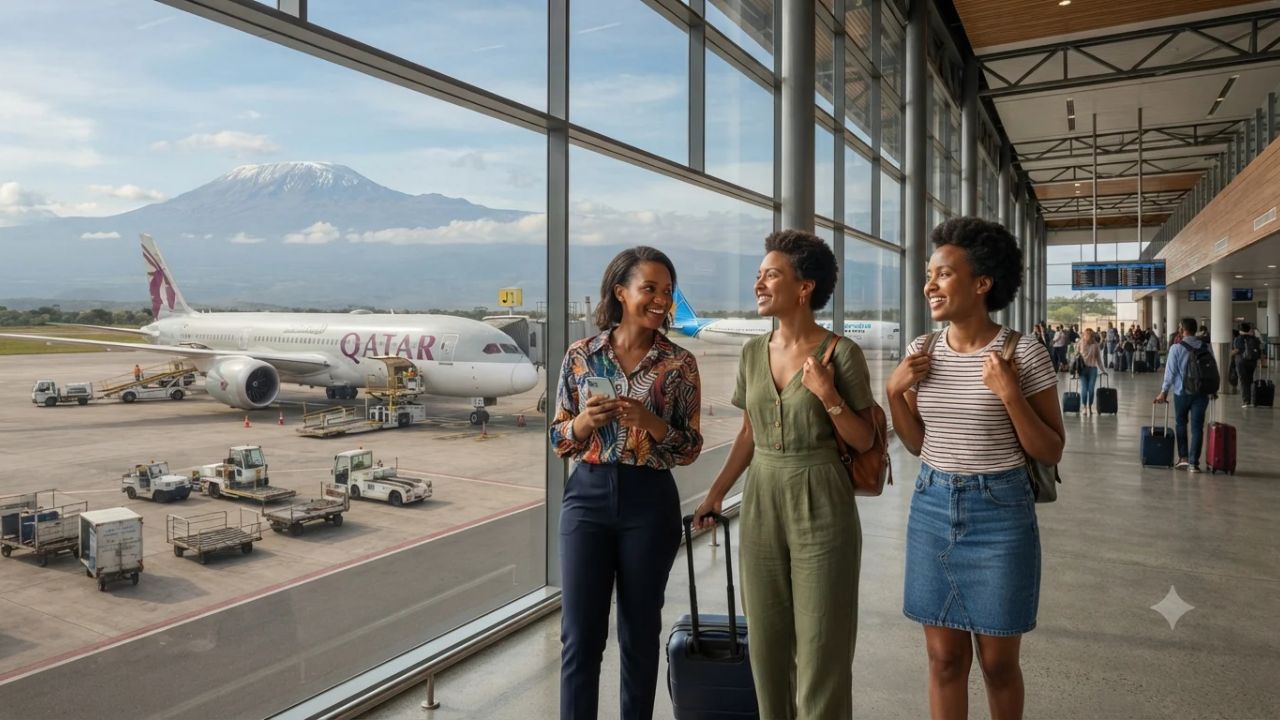
Climbing from the acacia-studded savanna around Moshi to the arctic glacial ice of Mount Kilimanjaro takes trekkers across five distinct ecological zones in six days, yet reaching Zanzibar's warm Indian Ocean sands afterward has long required piecing together multiple regional charter flights. That logistical barrier is set to vanish as international airlines rapidly expand direct access into East Africa. Leading this expansion, British Airways has announced plans to introduce direct London Gatwick routes to both Kilimanjaro International Airport and Zanzibar's Abeid Amani Karume International Airport for summer 2027, transforming how travelers access Tanzania's premier wilderness summits and historic coastal retreats.
The Dual-Gateway Expansion: Linking Northern Safaris to Indian Ocean Sands
The introduction of London Gatwick services to both northern Tanzania and the Zanzibar archipelago addresses the soaring global demand for multi-experience East African journeys. By offering direct flights to two complementary entry points, British Airways enables travelers to plan seamless open-jaw itineraries—touching down on the northern safari circuit and departing straight from the island coast without retracing steps through regional hubs.
The move forms part of a broader expansion across the African aviation market, where international carriers are actively aligning schedules with high-value nature and adventure destinations. Global networks are converging on Tanzania: Qatar Airways channels travelers smoothly through its Doha hub, Turkish Airlines connects the country via Istanbul, and Ethiopian Airlines provides extensive continental and global routing through Addis Ababa. Meanwhile, regional stalwarts like Kenya Airways supply essential cross-border links, KLM continues its long-standing European services, and national carrier Air Tanzania is expanding its domestic and regional footprint to move passengers between wilderness airstrips and coastal getaways.
Tanzania's two primary international hubs serve distinctly different traveler needs:
| Gateway Airport | Regional Destination | Primary Tourism Focus | Connecting Airlines |
|---|---|---|---|
| Kilimanjaro International (JRO) | Arusha, Moshi, Serengeti | Mountain trekking, wildlife safaris | British Airways, KLM, Qatar Airways, Ethiopian Airlines |
| Abeid Amani Karume International (ZNZ) | Stone Town, Unguja Coast | Coral beaches, marine sports, heritage | British Airways, Qatar Airways, Air Tanzania, Turkish Airlines |
This multi-carrier infrastructure makes it effortless for travelers to assemble the classic "bush-to-beach" itinerary. International visitors can spend a week tracking lion prides in the Serengeti and navigating the Ngorongoro Crater before transitioning to barefoot luxury on the Swahili Coast. For real-time travel alerts and national park regulations, consult the official guidance provided by the Tanzania Tourist Board.
What Makes the Kilimanjaro and Zanzibar Corridor Unique
Few journeys on earth provide such extreme physical and sensory contrasts within a single country. At 5,895 meters, Mount Kilimanjaro is the world's tallest free-standing volcanic mountain, rising dramatically above the East African plains. The northern safari circuit surrounding the peak protects some of the planet's densest wildlife concentrations, where millions of wildebeest, zebras, and gazelles brave river currents during the Great Migration. The environment here is defined by volcanic basalt, giant senecio plants, and vast golden grasslands.
A short flight east transports travelers to the turquoise shallow waters of the Zanzibar archipelago. Here, the sensory atmosphere shifts from wild savanna dust to the sweet fragrance of sun-dried cloves, vanilla pods, and cardamom. Zanzibar's heart is the UNESCO World Heritage site of Stone Town of Zanzibar, an intricate maze of coral-stone alleys, Omani-style mansions, and heavily carved wooden entry doors reflecting centuries of Swahili, Arab, Persian, and Indian maritime trade.
Experiencing both environments reveals the deep geographical duality of Tanzania. Travelers move from high-altitude alpine moorlands where night temperatures plummet well below freezing to warm tropical beaches where traditional wooden dhows glide across coral reefs at sunset.
Visitor Insider Tips: Wildlife Timing, Trek Ethics, and Island Etiquette
Managing the Gateways and Ground Transport
Kilimanjaro International Airport (JRO) sits approximately 50 kilometers east of Arusha (the safari departure point) and 40 kilometers west of Moshi (the climbing base). Never hire unlicensed private cars outside the terminal late at night; pre-book an authorized lodge transfer through your safari operator. On Zanzibar, Abeid Amani Karume International Airport (ZNZ) is just ten minutes from Stone Town. If you intend to rent a scooter to explore the island's coastal roads, be aware that you must obtain a temporary Zanzibar driving permit stamped by local police, which your rental agency can arrange in advance.
Timing the Great Migration and Summit Climbs
Tanzania features two distinct dry seasons that represent prime travel windows:
- Late June to October: The long dry season offers crisp weather, thinning vegetation that makes wildlife spotting easy, and the dramatic Mara River crossings in the northern Serengeti. On Kilimanjaro, clear night skies offer optimal conditions for midnight summit bids.
- January to March: Mild and dry, this period coincides with the wildebeest calving season in the southern Serengeti plains and warmer temperatures on the upper slopes of Kilimanjaro.
- Avoid the heavy rains of April and May, when rural dirt roads become impassable and mountain routes turn treacherous with mud.
Mountain Trekking Ethics: The KPAP Standard
When selecting a Kilimanjaro climbing operator, look beyond bargain price tags. Low-cost outfitters frequently mistreat porters by underpaying wages and providing substandard food and shelter. Always choose an outfitter certified by the Kilimanjaro Porters Assistance Project (KPAP), an independent initiative that monitors fair pay, ethical load limits (maximum 20 kilograms per porter), and appropriate mountain gear. Review conservation protocols through Tanzania National Parks before your trek.
Cultural Etiquette Across the Swahili Coast
Zanzibar is a traditional, predominantly Muslim society. While swimwear and light beachwear are acceptable within private beachfront resorts in Kendwa and Nungwi, walking through Stone Town or local fishing villages requires respectful attire. Ensure your shoulders and knees are covered. Always offer a warm Swahili greeting—"Jambo" or "Habari gani"—before asking for directions, and ask permission before photographing local residents or fishermen repairing their nets.
Neighborhood Bases and Regional Flavors
- In the North: Stay in an active coffee estate near Mount Meru in Arusha for serene garden surroundings, or in Moshi's Shanty Town neighborhood for historic mountain views.
- On Zanzibar: Split your stay. Spend two nights in a restored merchant palace in Stone Town to explore artisan spice markets, then move to Jambiani or Paje along the southeast coast for relaxed beach bungalows and ocean sandbars.
- What to Eat: In Moshi, try nyama choma (slow-grilled goat) served with ugali and tangy kachumbari salad. In Stone Town, head to Forodhani Gardens at dusk for freshly prepared urojo (a tangy mango-tamarind soup topped with crispy cassava and spiced beef skewers).
Cultural and Environmental Context: Glacier Retreat and Marine Conservation
The rapid growth in Tanzanian tourism brings both economic opportunity and significant ecological responsibility. On Mount Kilimanjaro, ice cover has decreased by more than 85% over the past century due to changing global climate patterns. To preserve the remaining alpine habitat, park authorities enforce strict "leave no trace" regulations, requiring all waste to be weighed and removed from the mountain. Tanzania also enforces a nationwide ban on single-use plastic carrier bags; any plastic shopping bags found in passenger luggage at international airports will be confiscated upon entry.
In Zanzibar, marine ecosystems face pressure from rising visitor numbers and warming ocean temperatures. Responsible travelers should select marine excursion operators who refuse to chase wild dolphin pods in Kizimkazi and who patronize community-led coral restoration projects near Chumbe Island. In coastal villages like Jambiani, women-led seaweed farming cooperatives offer sustainable, non-extractive livelihoods, demonstrating how culturally rooted community initiatives can thrive alongside eco-conscious tourism.
FAQ: Traveling to Kilimanjaro and Zanzibar 2027
When will British Airways begin direct flights to Tanzania?
British Airways plans to launch direct flights from London Gatwick to Kilimanjaro International Airport and Abeid Amani Karume International Airport in Zanzibar for the summer 2027 season.
What is the ideal duration for a combined safari and beach itinerary?
A classic Tanzanian journey requires 10 to 14 days: four to six days for an iconic northern safari or mountain trek, followed by four to five days relaxing along Zanzibar's coastline.
Do international visitors require an entry visa for Tanzania?
Yes. Most international travelers require a tourist visa, which should be secured online through the official Tanzanian immigration electronic visa portal prior to departure.
Which other international airlines connect into Tanzania?
Travelers can access Tanzania through Qatar Airways via Doha, Ethiopian Airlines via Addis Ababa, Turkish Airlines via Istanbul, KLM from Amsterdam, Kenya Airways, and domestic carrier Air Tanzania.
From the glaciated volcanic rim of Uhuru Peak to the spice-perfumed stone alleys of the Indian Ocean, expanding flight paths are transforming Tanzania's wild frontiers into an effortless journey.
Related Travel Guides
Disclaimer
This article is for informational and educational purposes only. It does not constitute legal, financial, or professional advice. While we strive to provide accurate and up-to-date information, travel policies, regulations, and conditions change rapidly. Always verify information with official sources before making travel decisions. Nomad Lawyer makes no representations about the accuracy, reliability, completeness, or suitability of the information provided. Readers should consult qualified professionals for advice specific to their circumstances. The views expressed in this article are those of the author and do not necessarily reflect the views of Nomad Lawyer.
Preeti Gunjan
Contributor & Community Manager
A passionate traveller and community builder. Preeti helps grow the Nomad Lawyer community, fostering engagement and bringing the reader experience to life.
Learn more about our team →