
BRICS Summit 2026: New Delhi As India’s MICE Tourism Hub
BRICS Summit 2026: New Delhi As India’s MICE Tourism Hub

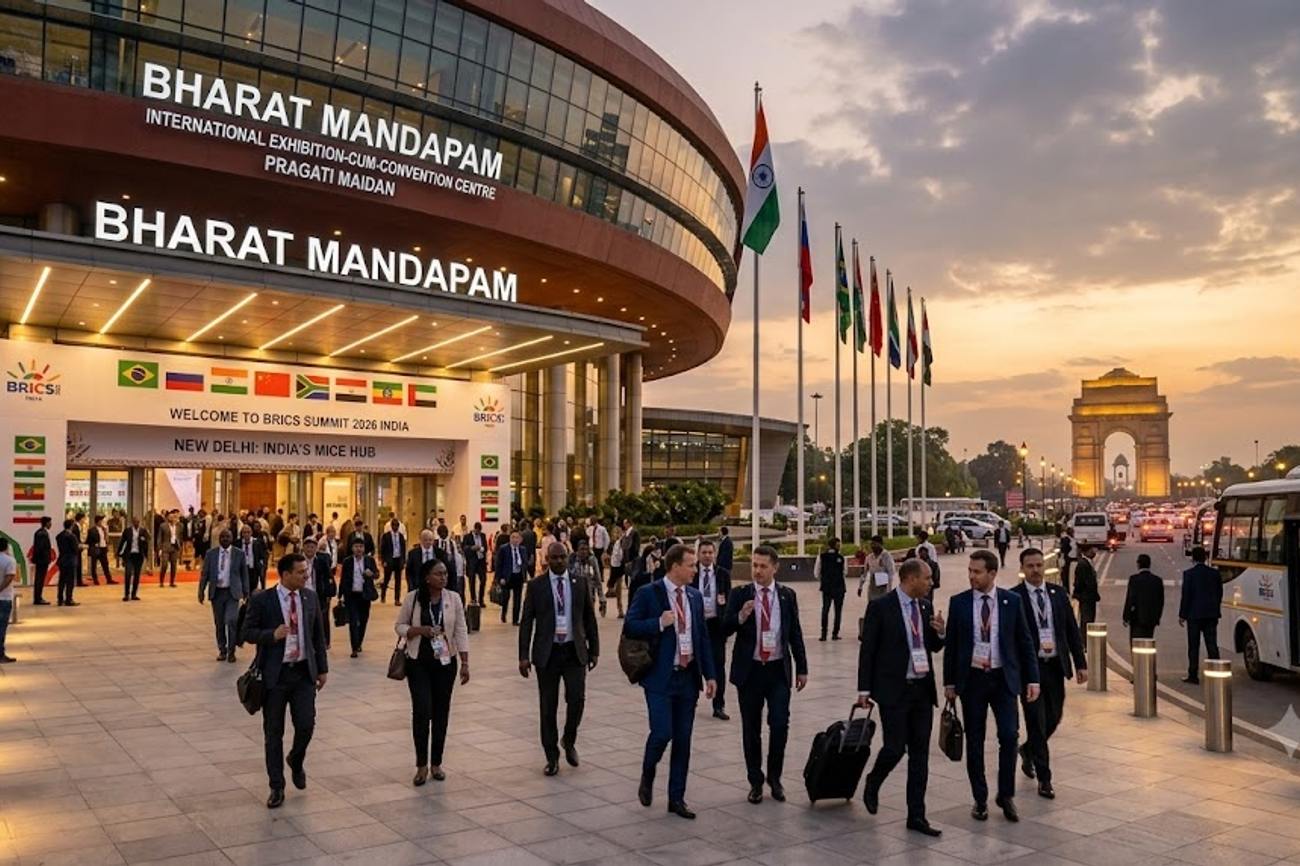
Image generated by AI
The 18th BRICS Summit didn't just redraw diplomatic lines; it fundamentally repositioned New Delhi as the premier MICE (Meetings, Incentives, Conferences, and Exhibitions) hub for the Global South. While most see these gatherings as sterile boardroom meetings, the New Delhi Declaration has shifted the focus toward "civilizational dialogue," effectively turning the city into a living laboratory for cultural diplomacy and high-stakes international networking.
New Delhi's Pivot to Global MICE Powerhouse
For years, New Delhi was viewed primarily as a gateway to the Taj Mahal or a stop for political junkies. However, the events of September 13, 2026, signal a permanent shift. The city is no longer just hosting events; it is institutionalizing a new kind of "societal connectivity." The transition from the macroeconomic focus of previous summits to a human-centric model—emphasizing women-led development and youth innovation—means the city's infrastructure is being overhauled to support long-term academic and entrepreneurial residency.
The epicenter of this transformation is Bharat Mandapam in Pragati Maidan. This isn't just a convention center; it is the physical manifestation of India's ambition to lead emerging economies. By integrating the 13th BRICS Education Ministers’ Meeting (previously held in Bhubaneswar) into the broader urban strategy, New Delhi is courting a new demographic of "knowledge nomads"—researchers, academics, and tech entrepreneurs who stay long after the diplomats have flown home. This shift is creating a ripple effect across the city's hospitality sector, moving away from generic luxury toward specialized facilities that support the Business Council and Think Tank Council's requirements for synergy and collaboration.
What Makes New Delhi's Current Era Different
What separates today's New Delhi from the city of a decade ago is the integration of grassroots community engagement into high-level diplomacy. The current framework has moved beyond trade balances and financial institutions to create structural mechanisms like the Parliamentary Forum and the Youth Council. For the traveler, this means the city is becoming more accessible and inclusive.
The "civilizational dialogue" mentioned in the New Delhi Declaration is manifesting in the way the city presents its heritage. There is a concerted effort to move beyond the "monument circuit" and integrate living history into the visitor experience. This is a move toward "responsible tourism," where the goal is to support local livelihoods and diversify the economy rather than simply increasing visitor counts. You will notice this in the enhanced preservation of sites and the push for educationally rewarding itineraries that connect the high-tech corridors of the city with its ancient roots.
To understand the scale of this ambition, one should look at the UNESCO World Heritage sites within the city, which are now being framed not just as relics, but as anchors for this new diplomatic identity. The city is blending the sterile efficiency of the MICE industry with the chaotic, vibrant energy of its street markets, creating a duality that is uniquely Delhite.
Visitor Insider Tips
Navigating New Delhi during a global summit or a high-traffic MICE event requires a strategy that avoids the surface-level tourist traps.
Transport Hacks: Forget the ride-sharing apps during peak summit hours; the traffic around Pragati Maidan can be paralyzing. The local secret is the Delhi Metro Rail Corporation (DMRC). For those heading to Bharat Mandapam, the Supreme Court metro station is your primary artery. From there, use the coordinated electric feeder buses or the designated summit shuttle fleets. These are far more reliable than taxis during security lockdowns.
Timing and Access: If you are attending cultural exhibitions or youth forums, do not show up expecting a walk-in. Advance digital registration via official portals is mandatory. Keep your digital credentials on your phone's home screen; security checkpoints are rigorous and slow.
Where to Base Yourself: Avoid the immediate vicinity of the summit venues if you want a genuine experience. Instead, look for boutique stays in South Delhi or the leafy lanes of diplomatic enclaves. This allows you to experience the "civilizational dialogue" first-hand in the cafes and galleries where the actual networking happens.
Local Etiquette: When visiting heritage sites during these high-profile periods, adhere strictly to preservation guidelines. The city is under intense global scrutiny, and local authorities are less lenient with rules regarding photography and site access than they might be during the off-season.
Cultural and Environmental Context
The surge in MICE tourism brings a complex set of challenges to New Delhi. While the summit recognizes tourism as a catalyst for foreign exchange and economic diversification, the pressure on the city's infrastructure is immense. The shift toward "sustainable and responsible tourism" isn't just a buzzword in the New Delhi Declaration; it is a necessity.
The city is grappling with the balance between rapid modernization—symbolized by the sleek lines of Bharat Mandapam—and the preservation of its fragile environmental and social fabric. The focus on "human capital development" and "labor rights" discussed by the BRICS leaders reflects a local need to ensure that the wealth generated by these massive events reaches the grassroots level.
Moreover, the push for electric feeder buses and streamlined digital registrations is part of a larger effort to reduce the carbon footprint of international delegations. By leveraging the India Tourism framework, the city is attempting to move away from the "mass tourism" model that often degrades heritage sites, opting instead for a high-value, low-impact approach that prioritizes cultural exchange over sheer volume.
FAQ: Visiting New Delhi 2026
What is the best time to visit New Delhi? The ideal window is between October and March. The weather is mild, making it possible to explore the city's outdoor monuments and markets without the oppressive heat or the monsoon rains of the summer months.
Do I need a visa to enter India? Yes, most international travelers require a visa. However, following the BRICS summit's focus on "streamlined visa facilitation," many visitors can now apply for an e-Visa through the official government portal, which is significantly faster than traditional embassy routes.
How do I get to the city center from the airport? The most efficient way is the Airport Express Metro line, which connects Indira Gandhi International Airport to New Delhi Railway Station in about 20 minutes, bypassing the city's notorious road traffic.
Is it safe for solo travelers? New Delhi is generally safe, but standard urban precautions apply. Use the DMRC for transport, stick to well-lit areas at night, and utilize official pre-paid taxi services or summit-approved shuttles to avoid opportunistic overcharging.
New Delhi is no longer just a destination; it is the boardroom of the emerging world.
#NewDelhiMICE2026 #BRICSSummitIndia #BharatMandapam #IndiaCulturalDiplomacy #DelhiTravel2026
Related Travel Guides
Disclaimer
This article is for informational and educational purposes only. It does not constitute legal, financial, or professional advice. While we strive to provide accurate and up-to-date information, travel policies, regulations, and conditions change rapidly. Always verify information with official sources before making travel decisions. Nomad Lawyer makes no representations about the accuracy, reliability, completeness, or suitability of the information provided. Readers should consult qualified professionals for advice specific to their circumstances. The views expressed in this article are those of the author and do not necessarily reflect the views of Nomad Lawyer.
Preeti Gunjan
Contributor & Community Manager
A passionate traveller and community builder. Preeti helps grow the Nomad Lawyer community, fostering engagement and bringing the reader experience to life.
Learn more about our team →