
Brazil Travel Safety Update: Navigating Nightlife Risks, Express Crime, and Holiday Precautions
As holiday bookings surge, updated travel advisories urge increased caution across Rio de Janeiro and urban Brazil, highlighting drink-spiking and express robbery risks.

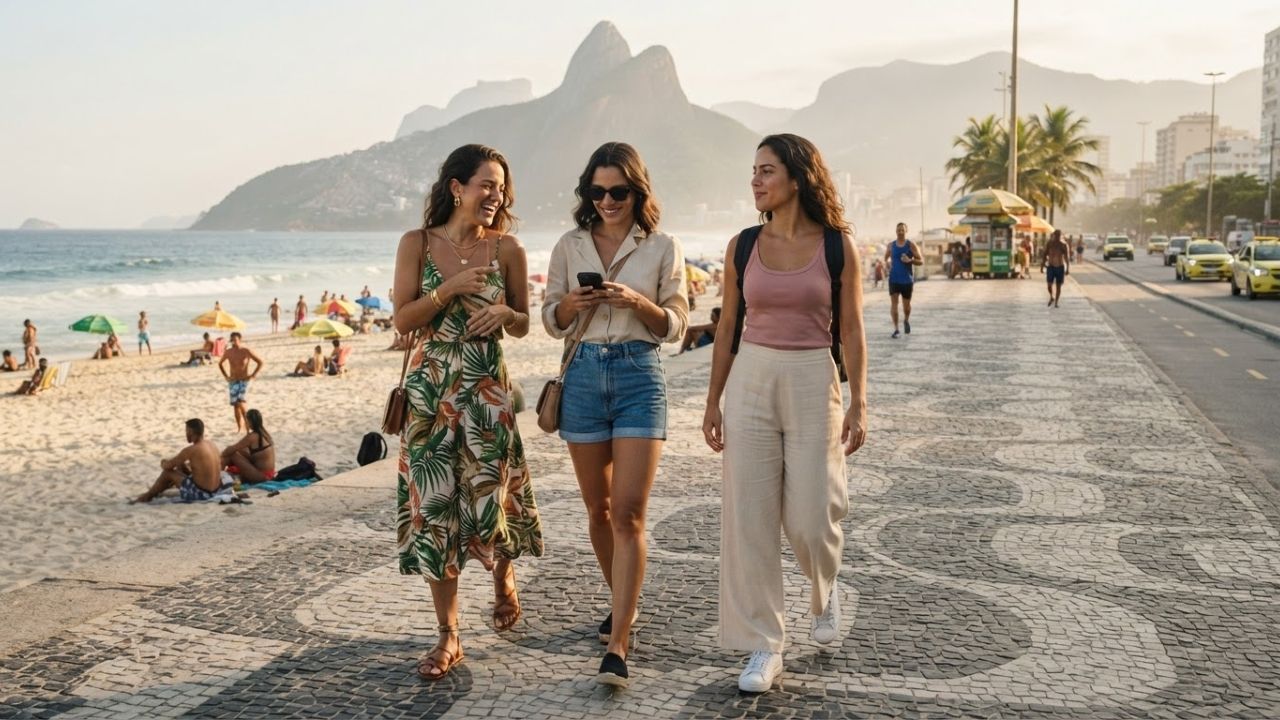
Image generated by AI
With international travelers preparing for peak holiday getaways and Carnival celebrations, updated security advisories urge visitors to exercise increased caution across Brazil's urban centers, spotlighting nightlife drink-spiking schemes and express robberies while reinforcing street-smart navigation.
Rebalancing Global Appeal with Heightened Security Awareness
Brazil continues to stand as one of South America's premier cultural destinations. From the granite monoliths of Sugarloaf Mountain and Christ the Redeemer overlooking Rio de Janeiro to the untamed riverways of the Amazon and the colonial corridors of Bahia, the nation draws millions of overseas visitors annually.
However, recent updates from international consular bodies, including the US Department of State, have renewed attention on personal security protocols. The official guidance advises travelers to exercise increased caution throughout Brazil due to persistent concerns regarding violent crime, armed robbery, carjacking, assault, express kidnapping, and drink-spiking schemes targeting leisure visitors.
Government security advisories emphasize that these warnings do not constitute a ban or a recommendation to cancel travel. Instead, they provide situational intelligence so travelers can implement proactive habits, make informed neighborhood choices, and experience the country's festive culture with confidence.
[Brazil Travel Advisory: Core Risk Mitigation Matrix]
• Nightlife Schemes: Unattended drink tampering in social clubs & street street fairs
  ↳ Action: Order sealed bottles; watch preparation; stay with established groups
• Financial Crime: Express ATM coercion & unauthorized digital banking transfers
  ↳ Action: Utilize secure indoor bank ATMs; set daily transaction caps on mobile banking
• Street Theft: Opportunistic snatch-and-grab of smartphones and jewelry
  ↳ Action: Conceal electronics in crowded areas; avoid wearing gold chains or luxury watches
• Transit Safety: Unlicensed roadside hails & unfamiliar taxi operators
  ↳ Action: Rely on verified ride-share apps (Uber, 99) or official airport taxi kiosks
| Risk Category | Primary High-Risk Scenarios | Recommended Operational Precaution | Official Support Resource |
|---|---|---|---|
| Drink-Spiking & Nightlife Fraud | Bars, samba clubs, and open-air street festivals | Never leave beverages unattended; reject drinks from strangers | Call SAMU (192) for emergency medical response |
| Express Kidnapping & ATM Coercion | Street-level walk-up ATMs at night; isolated streets | Transact exclusively inside secure bank branches during daytime | Military Police (190) |
| Beachfront Opportunistic Theft | Copacabana and Ipanema sands during peak sun hours | Leave passports and premium tech in hotel safe; carry minimal cash | DEAT (Tourist Police - Rio: +55 21 2332-2924) |
| Transit & Roadside Security | Flagging unmetered cabs at night or dark alleys | Book via registered mobile apps; keep doors locked in transit | BPTur (Special Tourist Police Battalion) |
Nightlife Protocols: Addressing Drink-Spiking Schemes
Brazil’s musical energy, open-air street rodas de samba, and late-night social scenes in neighborhoods like Lapa in Rio de Janeiro or Vila Madalena in São Paulo are central to the visitor experience. However, security analysts have noted an increase in predatory drink-spiking incidents.
In these scenarios, substances are covertly added to unattended beverages or offered by friendly strangers to induce disorientation, enabling subsequent robbery, extortion, or credit card fraud.
Consular security teams recommend specific protective measures:
- Maintain Visual Custody of Drinks: Always observe the bartender opening bottled beer or mixing caipirinhas. Never leave a drink unattended on a high-top table while visiting the restroom or dance floor.
- Refuse Unsealed Beverages from Strangers: Decline casual offers of sips or unsealed drinks from individuals met spontaneously in clubs or public squares.
- Establish a Buddy Accountability System: Never leave an entertainment venue alone with individuals met that evening. Ensure trusted companions monitor one another for signs of sudden lethargy, confusion, or slurred speech.
- Seek Immediate Clinical Attention: If an individual feels abnormally intoxicated after modest alcohol consumption, proceed immediately to the nearest emergency clinic (UPA - Unidade de Pronto Atendimento) or hospital.
Express Crime and Digital Financial Precautions
While long-term tourist kidnappings remain uncommon, security bulletins highlight the reality of "express kidnapping" (sequestro relâmpago). In these rapid incidents, perpetrators detain victims for short intervals, forcing them to withdraw funds from commercial automated teller machines or authorize rapid bank transfers using mobile payment apps.
Tourists become vulnerable primarily by:
- Walking unaccompanied along dimly lit beach promenades or deserted downtown avenues late at night.
- Displaying high-end smartphones, mirrorless cameras, or luxury watches in crowded public thoroughfares.
- Hailing unregistered street cabs rather than booking verified, geo-tracked transport.
- Straying inadvertently into perimeter favela communities without experienced local guides.
To minimize digital exposure, experienced international travelers in Brazil employ the "secondary device" strategy: carrying an inexpensive smartphone for street navigation and daily photography, while storing devices containing primary investment apps and sensitive financial profiles securely in room safes.
Destination Focus: Navigating Rio de Janeiro Safely
Rio de Janeiro remains Brazil's premier tourism showpiece. Iconic landmarks such as Copacabana Beach, Ipanema, Sugarloaf Mountain, and Christ the Redeemer continue operating normally, supported by visible municipal and tourist police patrols.
Navigating Rio requires practical situational discipline:
- Beachfront Etiquette: While relaxing at Copacabana or Ipanema (designated by lifeguard postos), take only what is needed for the afternoon: a towel, sunscreen, a pair of flip-flops (Havaianas), and a small amount of cash or a single debit card. Do not bring laptops, passport books, or expensive jewelry to the sand.
- Base Near Established Beach Stalls: Rent beach chairs and umbrellas from established barracas (numbered vendor tents). Operators maintain a vested commercial interest in keeping their perimeter secure for patrons.
- Avoid Empty Beaches After Sunset: Copacabana’s illuminated paved walkway remains active during evening hours, but visitors should never walk onto the dark unlit sands after twilight.
Community-Led Tourism and Conservation Ethics
Promoting personal safety goes hand in hand with responsible community engagement that strengthens local economic resilience:
- Support Community-Guided Favela Tours: Travelers interested in Rio's hillside communities should book small-footprint walking tours led directly by community residents (such as in Santa Marta or Vidigal), rather than motorized jeep convoys. This guarantees that tour revenue flows directly to neighborhood families, schools, and cultural projects.
- Amazon Ecotourism Alliances: When venturing into the Amazon rainforest from Manaus, choose certified eco-lodges affiliated with the Chico Mendes Institute for Biodiversity Conservation (ICMBio). Responsible operators partner with indigenous and riverine (ribeirinho) populations, preserving pristine rainforest corridors through sustainable wildlife observation.
Local Insider Tips for Travelers in Brazil
- Rely on Official Airport Transport: Upon arriving at Rio de Janeiro’s Galeão International Airport (GIG) or São Paulo’s Guarulhos International Airport (GRU), bypass unregulated curbside solicitors. Head directly to the official licensed taxi booths inside the arrivals hall (such as Aerocoop or Cootramo) or proceed to the clearly marked, monitored ride-share pick-up zones for Uber or 99.
- Set Smartphone Daily Transfer Limits: Prior to departure, access your mobile banking settings and establish low daily transfer limits on digital payment tools. This severely limits potential losses in the rare event of unauthorized phone access.
- Embrace Authentic Local Gastronomy Safely: Dine at reputable churrascarias and traditional neighborhood botequins. Savor a hearty Saturday feijoada—a slow-simmered black bean and smoked pork stew served with fragrant white rice, sautéed collard greens (couve), toasted cassava flour (farofa), and fresh orange slices.
- Save Tourist Police Emergency Contacts: Program the contact information for Rio’s dedicated Tourist Police (DEAT - Delegacia Especial de Apoio ao Turismo) directly into your phone:
+55 21 2332-2924(located at Av. Afrânio de Melo Franco, 159, Leblon). Officers in specialized tourist units speak English and Spanish.
Long-Term Tourism Outlook
Brazil's tourism fundamentals—its biodiversity, cultural traditions, and warm hospitality—remain exceptionally strong. By pairing heightened institutional policing with transparent visitor education, Brazilian authorities are working to ensure that international travelers can celebrate the nation's festivals and coastal beauty while maintaining the highest standards of personal safety.
Frequently Asked Questions
What is the current official travel advisory level for Brazil?
The US Department of State advises international travelers to exercise increased caution (Level 2) when visiting Brazil, citing concerns regarding violent crime, theft, and kidnapping in select urban areas.
Is it safe to visit Rio de Janeiro's famous beaches?
Yes, Copacabana and Ipanema beaches are safe for daytime visits when following basic street precautions: leave jewelry, watches, and passports in your hotel safe, carry minimal cash, and avoid walking on the sand after dark.
What precautions should travelers take regarding drink-spiking in Brazil?
Visitors should never leave drinks unattended, avoid accepting open drinks from strangers, observe beverages being prepared, stay in trusted groups, and seek medical attention immediately if feeling abnormally intoxicated.
What should travelers do regarding transportation in major Brazilian cities?
Avoid hailing random unmarked taxis on the street at night. Instead, utilize recognized ride-hailing applications like Uber or 99, or book official prepaid taxis from airport service desks.
What is an express kidnapping and how can tourists prevent it?
Express kidnapping involves brief detentions where perpetrators coerce victims into withdrawing cash from ATMs or making mobile transfers. To mitigate risk, avoid walking alone late at night, use indoor bank ATMs during daylight, and set low daily mobile transfer limits.
Related Travel Guides
Disclaimer
This article is for informational and educational purposes only. It does not constitute legal, financial, or professional advice. While we strive to provide accurate and up-to-date information, travel policies, regulations, and conditions change rapidly. Always verify information with official sources before making travel decisions. Nomad Lawyer makes no representations about the accuracy, reliability, completeness, or suitability of the information provided. Readers should consult qualified professionals for advice specific to their circumstances. The views expressed in this article are those of the author and do not necessarily reflect the views of Nomad Lawyer.
Kunal K Choudhary
Co-Founder & Contributor
A passionate traveller and tech enthusiast. Kunal contributes to the vision and growth of Nomad Lawyer, bringing fresh perspectives and driving the community forward.
Learn more about our team →