
Himachal Pradesh Emerges as Safe Haven for Global Travelers in 2026 Amid $200 Oil Shock and Strait of Hormuz Blockade: How US-Iran Conflict and Gulf Tensions Fuel Alpine Eco-Tourism Pivot
As the $200 oil crisis and Strait of Hormuz blockade disrupt international long-haul flights, India's Himachal Pradesh experiences a massive domestic and regional eco-tourism boom.

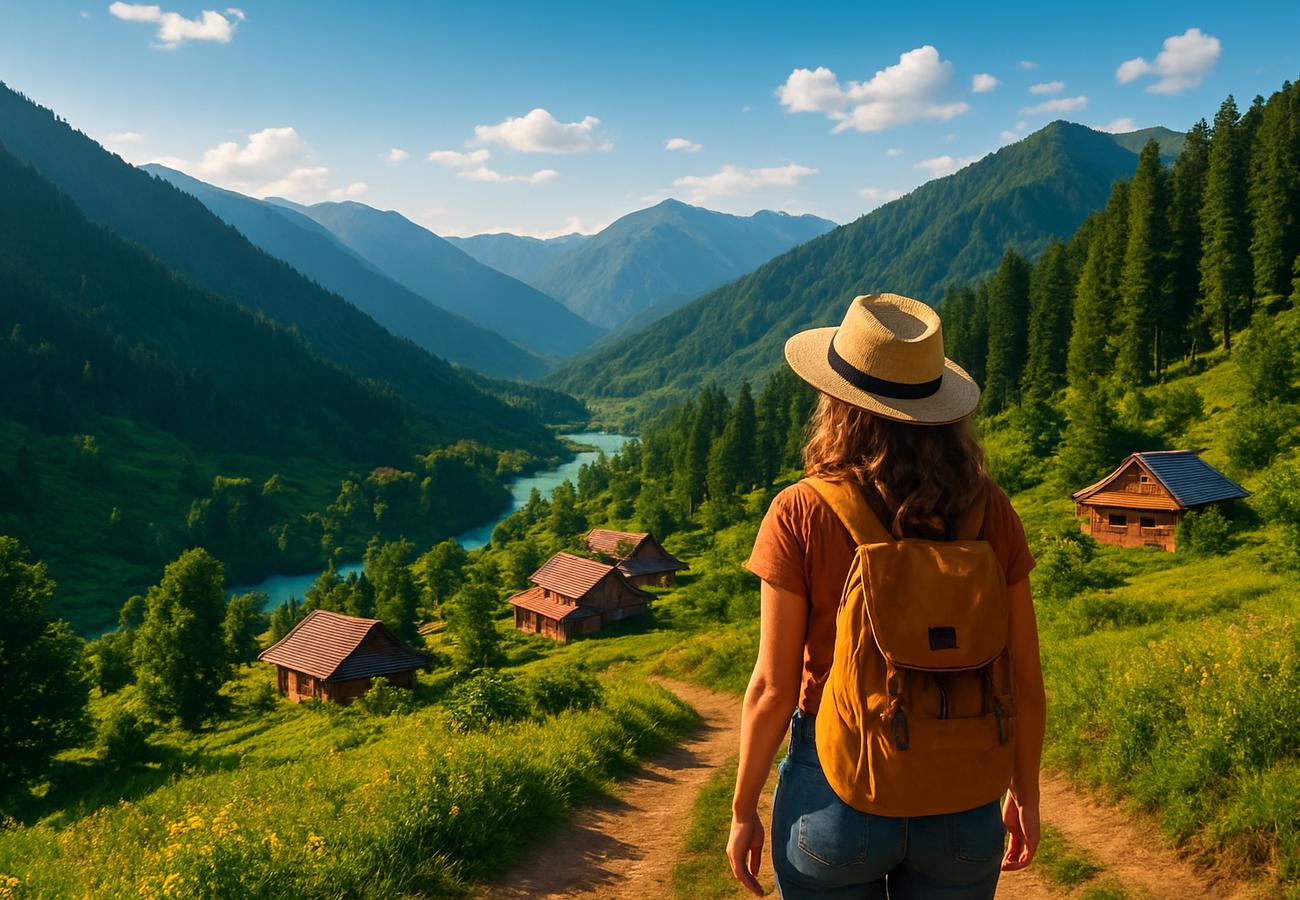
Image generated by AI
As the global travel industry faces severe headwinds from a catastrophic $200 per barrel oil shock and the military blockade of the Strait of Hormuz, a massive shift is occurring in international traveler behavior. With the escalating US-Iran conflict driving commercial airfares to record highs and disrupting long-haul international routes, travelers are increasingly looking for localized, eco-friendly travel destinations.
In India, the majestic Himalayan state of Himachal Pradesh has emerged as a premier retreat for both domestic and regional travelers. By focusing on sustainable eco-tourism, low-impact trekking, and cultural preservation, this mountain sanctuary is thriving independently of international aviation dependencies. Meanwhile, Gulf states like Saudi Arabia, the United Arab Emirates (UAE), and Qatar work to manage energy supply lines amidst historic maritime gridlocks.
Expanded Overview: Alpine Tourism Rises as Aviation Fuel Soars
The global energy crisis has forced a complete reorganization of international travel logistics. The blockade of the Strait of Hormuz—the world’s most critical maritime oil corridor, handling roughly 20% of global crude transit—has taken millions of barrels of oil off the market, triggering unprecedented fuel inflation.
For the travel industry, this has resulted in an immediate reduction in long-haul flight capacities and a major increase in ticket prices. In response, travelers are choosing regional and land-accessible mountain destinations. Himachal Pradesh, known as the 'Land of Snow,' is experiencing a record-breaking influx of visitors. Travelers are flocking to its scenic valleys, quiet pine forests, and high-altitude treks, seeking a safe and affordable alternative to expensive overseas trips.
Geopolitical Context: Persian Gulf Volatility and Indian Subcontinent Security
The naval standoffs and military exchanges between the United States and Iran in the Middle East have made transiting through traditional airspace and shipping lanes highly volatile.
This conflict has placed major oil producers—including Saudi Arabia, the UAE, Qatar, Kuwait, Oman, and Bahrain—in a challenging position as they scramble to secure shipping routes and maintain global energy stability. While these Gulf nations manage these severe security threats, the Indian subcontinent has remained relatively insulated from direct maritime disruption. This relative regional stability, combined with Himachal Pradesh’s clean air and expansive natural spaces, has made the state an incredibly attractive destination for travelers looking to escape the geopolitical and economic pressures affecting other parts of the world.
Global Energy Impact: The Shift to Localized, Low-Carbon Travel
With oil prices firmly established at $200 per barrel, transport operators are facing extreme cost pressures. This has made energy-intensive, long-distance flights highly expensive, prompting a massive shift toward localized, rail- and road-accessible travel options.
Himachal Pradesh is perfectly positioned to benefit from this shift. Easily accessible from major North Indian urban hubs like Delhi and Chandigarh, the state offers world-class alpine experiences without the need for expensive long-haul flights. This accessibility has triggered a massive domestic travel boom, with visitors traveling to popular hill stations and quiet mountain valleys, providing a powerful economic boost to local communities and mountain economies.
Shipping and Trade Impact: Sustainable Sourcing and Eco-Lodges
The ongoing Strait of Hormuz blockade has forced cargo fleets to route around Africa’s Cape of Good Hope, sending maritime insurance rates soaring and delaying global shipments of luxury resort supplies.
To bypass these supply chain bottlenecks, hospitality operators in Himachal Pradesh have turned to sustainable, localized sourcing. Eco-lodges, boutique guest houses, and homestays across the state are sourcing food, building materials, and handicrafts directly from local farmers and artisans. This focus on localized logistics has protected the state's hospitality industry from import inflation, keeping travel costs highly affordable for incoming visitors while ensuring that tourism revenues remain directly within local mountain communities.
Regional Impact: Strategic Concerns Across the Gulf States
The current energy crisis has also forced major Gulf-based airlines and travel operators to adapt. Traditionally reliant on low-cost transit traffic between Europe and Asia, these carriers are facing rising operational costs and complex route diversions.
To protect their business models, Gulf nations are increasingly investing in their own domestic mountain and desert eco-resorts. However, as international travelers search for established, high-quality alpine destinations, the demand for classic mountain routes remains exceptionally high. This has focused global attention on Himachal Pradesh’s well-established trekking paths and spiritual sanctuaries, drawing regional travelers from the Middle East, Southeast Asia, and beyond.
Exploring Himachal Pradesh’s Natural and Cultural Wonders in 2026
Himachal Pradesh offers an incredible range of natural wonders, adventure sports, and rich cultural traditions that are drawing record traveler numbers:
Majestic Peaks and Scenic Valleys
The Himalayas form a stunning backdrop across the state. In winter (December to February), the iconic Rohtang Pass, Manali, and the Kullu Valley are covered in deep snow, offering exceptional skiing, snowboarding, and paragliding opportunities. For travelers seeking quiet solitude, the remote Spiti Valley, Chandratal Lake, and Tirthan Valley offer pristine rivers and majestic snow-capped peaks far from the crowds.
Thrilling High-Altitude Treks
Himachal Pradesh boasts several trekking routes that cater to adventurers of all levels. The popular Triund Trek near Dharamshala offers spectacular views of the Dhauladhar Range. For experienced trekkers, the challenging Pin Parvati Pass and Bara Bhangal Trek provide incredible alpine routes, while the Kheerganga Trek offers a scenic and accessible journey into the heart of the mountains.
Cultural and Spiritual Sanctuaries
The state offers a rich cultural experience through its historic temples, monasteries, and heritage sites. The town of Kangra is home to the revered Brijeshwari Temple, while Mandi’s Bhuri Singh Museum preserves the region's unique history and art.
In the peaceful suburb of McLeod Ganj in Dharamshala, visitors can explore the Namgyal Monastery, visit the Norbulingka Institute for traditional Tibetan craftsmanship, and experience the spiritual presence of the Dalai Lama.
Top Tourism Destinations:
- Shimla (The Queen of Hills): The state capital, famous for its colonial charm, the pedestrian-only Mall Road, The Ridge, and winter sports in Kufri.
- Manali (The Adventure Hub): Famed for paragliding, river rafting, and mountain biking, alongside historic spiritual sites like the Hidimba Devi Temple and Manu Temple.
- Dharamshala & McLeod Ganj: The spiritual home of Tibetan Buddhism, offering peaceful meditation retreats and scenic mountain walks.
Industry Analysis: A Blueprint for Eco-Tourism and Sustainable Travel
Tourism economists point out that Himachal Pradesh’s success during this global energy crisis is a testament to the resilience of sustainable travel models.
By actively promoting low-impact trekking, reducing the use of single-use plastics, and supporting community-based tourism, the Himachal Pradesh Tourism Development Corporation (HPTDC) is successfully protecting its fragile mountain ecosystems. This focus on environmental preservation ensures that the state’s natural beauty remains protected for future generations while providing a stable, reliable source of income for local communities.
What Happens Next: Scenarios and Travel Outlook
- Prolonged Energy Conflict: If Persian Gulf tensions remain high, domestic and regional travel will continue to dominate. Himachal Pradesh's sustainable, road-accessible tourism model will likely see sustained growth well into 2027.
- Diplomatic Breakthrough: If international diplomatic efforts successfully reopen the Strait of Hormuz and stabilize global fuel prices, the green travel habits and localized supply chains built during this crisis will continue to provide travelers with a highly sustainable, carbon-conscious travel option.
Conclusion
Himachal Pradesh’s mountain tourism sector is showing remarkable resilience in the face of a severe global energy crisis. By offering majestic natural landscapes, rich spiritual traditions, and sustainable travel experiences, the state has successfully adapted to a high-fuel-cost environment. As the Strait of Hormuz blockade and $200 oil prices continue to disrupt traditional long-haul travel, Himachal Pradesh stands as a leading example of how sustainable, localized travel can thrive during global economic volatility.
Key Takeaways
- Safe Haven: Himachal Pradesh has emerged as a premier alpine destination for travelers seeking alternatives to expensive long-haul flights.
- Energy Pressure: The ongoing Strait of Hormuz blockade and $200/bbl oil shock have significantly increased global flight prices, fueling a massive rise in regional travel.
- Adventure Tourism: The state offers world-class trekking (including Triund and Pin Parvati) and winter sports in Manali, Shimla, and Kufri.
- Cultural Wealth: Visitors can experience rich spiritual traditions at Dharamshala’s Namgyal Monastery and historic temples like Hidimba Devi.
- Sustainable Future: HPTDC’s focus on low-impact trekking and localized supply chains is successfully protecting fragile Himalayan ecosystems.
FAQ: Himachal Pradesh Travel & Energy Crisis 2026
What is the best time of year to visit Himachal Pradesh? Summer (March to June) is perfect for sightseeing and trekking, autumn (September to November) offers peaceful retreats with fewer crowds, and winter (December to February) is ideal for snow sports in Manali and Shimla.
How does the global energy crisis affect travel to Himachal Pradesh? While long-haul international flights are highly expensive due to the $200/bbl oil shock, Himachal Pradesh remains highly accessible and affordable via regional rail and road networks from major North Indian cities.
Are local guest houses and transport operators running normally? Yes, local eco-lodges, transport providers, and restaurants are operating normally, utilizing localized food and supply networks to keep travel costs highly stable and affordable.
Related Travel Guides
Disclaimer
This article is for informational and educational purposes only. It does not constitute legal, financial, or professional advice. While we strive to provide accurate and up-to-date information, travel policies, regulations, and conditions change rapidly. Always verify information with official sources before making travel decisions. Nomad Lawyer makes no representations about the accuracy, reliability, completeness, or suitability of the information provided. Readers should consult qualified professionals for advice specific to their circumstances. The views expressed in this article are those of the author and do not necessarily reflect the views of Nomad Lawyer.
Kunal K Choudhary
Co-Founder & Contributor
A passionate traveller and tech enthusiast. Kunal contributes to the vision and growth of Nomad Lawyer, bringing fresh perspectives and driving the community forward.
Learn more about our team →