
10 Best Brazil Adventure Destinations for Remote Travel and Nature Expeditions in 2026
From the flooded dunes of Lençóis Maranhenses to the jaguar habitats of the Pantanal, discover Brazil's top 10 remote adventure destinations for 2026.

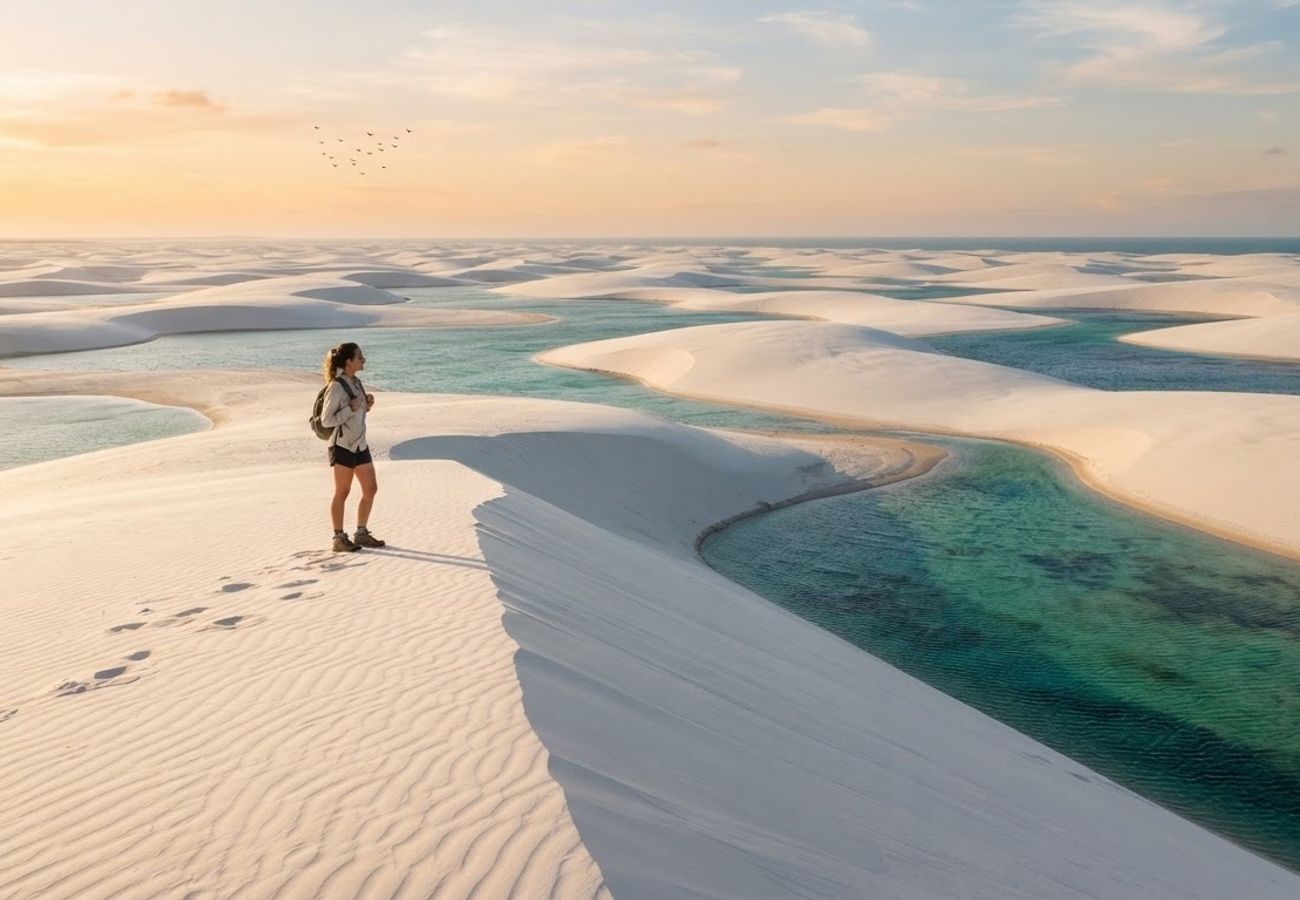
Image generated by AI
Brazil is pivoting toward high-impact, low-density adventure tourism. Remote national parks and unique hydrological ecosystems are now the primary draw for travelers avoiding traditional crowds.
The shift in Brazilian tourism reflects a growing global demand for "information gain" in travel—moving beyond the typical Rio-São Paulo circuit toward biomes that offer genuine isolation and raw natural power. From the newly minted UNESCO status of the northeast dunes to the deep-water expeditions of the Rio Negro, the country is positioning its remote interior as a premier global asset for sustainable exploration.
The Flooded Deserts of Lençóis Maranhenses
Lençóis Maranhenses National Park in Maranhão has transitioned from a hidden gem to a global centerpiece of adventure travel. This unique ecosystem spans over 150,000 hectares, where a vast expanse of white dunes is seasonally interrupted by thousands of crystal-clear blue and green lagoons.
The park received UNESCO World Heritage recognition in 2024, sparking a surge in international interest. Unlike traditional deserts, this region relies on heavy seasonal rains to fill the hollows between dunes. Visitors now favor multi-day treks and 4x4 expeditions departing from Barreirinhas over standard beach holidays.
To maximize the experience, timing is critical. The optimal window for visiting marquee spots like Lagoa Azul and Lagoa Bonita is between late June and September, when water levels are peak and the sun is strongest. To protect this fragile environment, local authorities have implemented strict limits on off-road driving and are prioritizing guided, low-impact walking routes.
Immersive Jungle Expeditions in the Amazon and Rio Negro
The Brazilian Amazon continues to evolve, with a clear trend toward "slow travel." Modern itineraries are moving away from quick sightseeing stops in favor of deep-immersion journeys along the Rio Negro and its tributaries.
Current adventure trends emphasize:
- Small-boat expeditions: Prioritizing agility and access to narrow tributaries.
- Lodge-based stays: Combining luxury with wildlife viewing and community-led forest walks.
- Specialized activities: Kayaking and night safaris to spot pink river dolphins, macaws, and howler monkeys.
Logistically, Manaus remains the primary hub, connecting the rainforest to major cities like Rio de Janeiro and São Paulo. There is a growing preference for "biome-hopping" itineraries that link the Amazon with the dunes of Lençóis Maranhenses or the plateaus of Chapada Diamantina.
High-Altitude Trekking in Chapada Diamantina and the Cerrado
Chapada Diamantina National Park in Bahia has established itself as the premier hiking destination in Brazil. Covering more than 150,000 hectares, the park is characterized by tabletop peaks and massive canyons. A primary draw is the Cachoeira da Fumaça, one of the nation's tallest waterfalls with a drop exceeding 300 meters.
The region offers a diverse range of activities:
- Trekking: Routes linking Morro do Pai Inácio to deep river valleys.
- Bouldering: The village of Igatu provides quieter climbing crags for enthusiasts.
- Canyoning: Exploring the rocky escarpments of the wider Cerrado biome.
Beyond Bahia, the "birthplace of waters"—the Cerrado—offers other critical gateways. Chapada dos Veadeiros in Goiás and Chapada das Mesas in Maranhão are increasingly highlighted for their clear rivers and rugged plateaus. Travelers are cautioned that the dry season increases wildfire risks, and summer storms can abruptly close access to key viewpoints.
Off-Grid Safaris in Jalapão and the Pantanal
For those seeking total isolation, Jalapão State Park in Tocantins offers a "desert of waters." This rugged region is famous for its orange sand dunes and fervedouros—natural spring-fed pools where the upward current prevents swimmers from sinking.
Access to Jalapão is intentionally difficult, typically requiring 4x4 convoys and basic campsites. This barrier to entry has helped maintain low visitor density despite increased visibility from reality television.
Further south, the Pantanal remains the gold standard for wildlife photography. As one of the world's largest tropical wetlands, its seasonal flooding creates a concentrated environment for:
- Apex Predators: Jaguars and caimans.
- Rare Mammals: Giant otters.
- Avian Life: Hundreds of bird species.
The best viewing occurs during the dry season when animals congregate around receding water sources, though shoulder months offer a greener landscape with more reliable road access.
Island Sanctuaries and Borderland Power
The Atlantic archipelago of Fernando de Noronha represents Brazil's most stringent approach to conservation. As a World Heritage Site, the islands utilize daily visitor caps and environmental preservation fees to prevent over-tourism.
Complementing this is the raw power of Iguazu Falls on the border with Argentina. While more accessible than the Amazon or Jalapão, Iguazu remains a cornerstone of any adventure itinerary due to the sheer scale of its waterfall system.
Brazil Adventure Destination Comparison
| Destination | Primary Activity | Best Time to Visit | Key Feature |
|---|---|---|---|
| Lençóis Maranhenses | Dune Trekking/Swimming | June – September | Seasonal lagoons in white dunes |
| Amazon/Rio Negro | River Expeditions | Varies by water level | Pink river dolphins & rainforest |
| Chapada Diamantina | Hiking/Bouldering | Dry Season | Cachoeira da Fumaça (>300m) |
| Jalapão | 4x4 Off-roading | Dry Season | Fervedouros (floating pools) |
| Pantanal | Wildlife Safari | Dry Season | Jaguar & Giant Otter sightings |
| Fernando de Noronha | Diving/Snorkeling | Year-round | Controlled visitor access |
Key Takeaways
- Sustainable Shift: Brazil is moving toward low-impact, high-value tourism in remote areas.
- UNESCO Influence: The 2024 listing of Lençóis Maranhenses has shifted tourist flow toward the northeast.
- Timing is Everything: Hydrological cycles dictate the experience in the Amazon, Pantanal, and the dunes.
- Logistical Hubs: Manaus and Barreirinhas serve as the critical gateways for jungle and dune expeditions.
FAQ
When is the best time to visit the Lençóis Maranhenses lagoons? The best conditions occur between late June and September, when the lagoons are full from the rainy season and the weather is sunny.
How do I get to the Amazon rainforest? Most adventure expeditions depart from Manaus, which is well-connected by flight to Rio de Janeiro and São Paulo.
What makes the Pantanal different from the Amazon? While the Amazon is a dense rainforest, the Pantanal is a massive tropical wetland, making it significantly easier to spot large wildlife like jaguars.
Exploring the edge of the map requires preparation, but Brazil's remote biomes offer rewards that traditional tourism cannot match.
Related Travel Guides
Disclaimer
This article is for informational and educational purposes only. It does not constitute legal, financial, or professional advice. While we strive to provide accurate and up-to-date information, travel policies, regulations, and conditions change rapidly. Always verify information with official sources before making travel decisions. Nomad Lawyer makes no representations about the accuracy, reliability, completeness, or suitability of the information provided. Readers should consult qualified professionals for advice specific to their circumstances. The views expressed in this article are those of the author and do not necessarily reflect the views of Nomad Lawyer.
Preeti Gunjan
Contributor & Community Manager
A passionate traveller and community builder. Preeti helps grow the Nomad Lawyer community, fostering engagement and bringing the reader experience to life.
Learn more about our team →