
Modernist Wonders in Brazil: The 2026 Brasília Travel Guide Showcases Modernist Masterpieces, Stained-Glass Cathedrals, and Lake Escapes
Explore Brasília in 2026, the UNESCO-listed modernist capital designed by Oscar Niemeyer, featuring Lake Paranoá and Cerrado national parks.

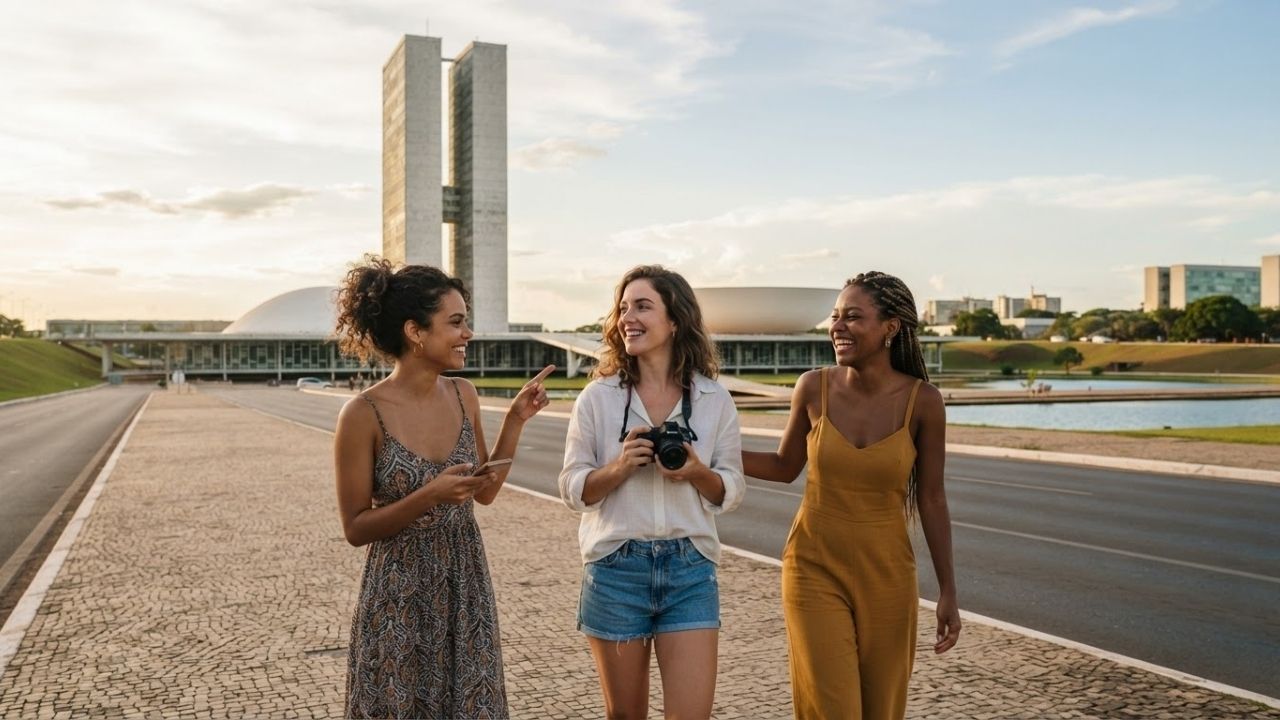
Image generated by AI
Created as a complete work of modern art in the interior savanna of South America, Brazil's planned capital of Brasília offers a unique architectural city break.
Planned urban centers provide a distinct travel experience, replacing narrow historic streets with open plazas and geometric structures. Tourism records confirm that the capital of Brazil, inaugurated in 1960, remains one of the world's most recognized modernist experiments. Designed by urban planner Lúcio Costa and architect Oscar Niemeyer, the UNESCO World Heritage Site showcases the country's mid-century design ambitions. Travelers can explore the national government complexes, visit stained-glass cathedrals, and enjoy active water sports on Lake Paranoá, discovering a living capital integrated with nature.
Modernist Planning: Lúcio Costa's Plano Piloto
Brasília was built to move the federal government away from the coast, establishing a new administrative center in the interior. Lúcio Costa designed the city's central layout, known as the Plano Piloto, in the shape of a bird or an airplane in flight. This planned framework splits the city into organized sectors, with dedicated zones for hotels, retail, banking, and residential communities.
The Monumental Axis forms the main body of the design, housing the federal government offices and civic squares. The Road Axis crosses the central corridor, linking the residential wings to the center. This design allows for rapid transport and wide views, showing how a modern city can be structured as a single, cohesive unit.
Architectural Masterpieces of Oscar Niemeyer along the Monumental Axis
The Monumental Axis showcases some of Oscar Niemeyer's most famous concrete structures. The civic heart of the city is the Praça dos Três Poderes, or Three Powers Square, which hosts the three branches of the national government. The square includes the Palácio do Planalto, the presidential workplace, and the Supreme Federal Court, showing the connection between public architecture and civic life.
The National Congress is the most recognized structure on the square. It features twin towers rising above two large concrete domes—one facing upward and the other facing downward, symbolizing the two chambers of the legislature. Nearby, the Itamaraty Palace stands above reflective water pools, showcasing the elegant columns and arches that define Niemeyer's mid-century style.
Metropolitan Cathedral of Brasília: A Triumph of Modern Design
One of the most striking structures in the city is the Metropolitan Cathedral of Brasília. From the outside, the concrete columns reach upward like a crown, creating a dramatic silhouette against the sky. Visitors enter the sanctuary through a dark underground path before emerging into a bright interior filled with blue and green stained glass.
The cathedral shows Niemeyer's preference for simple curves over traditional, heavy stone walls. The interior features suspended sculptures and natural light, creating an emotional reaction that appeals to travelers regardless of their background in design. The nearby National Museum of the Republic and the Cultural Complex of the Republic complete this artistic corridor, showcasing modern art and cultural events.
Lake Paranoá: Lakeside Recreation and Water Sports
While Brasília is known for its concrete architecture, Lake Paranoá adds a natural escape to the capital. The artificial lake wraps around the city, offering water recreation, sunset views, and cooling breezes. Boat tours provide views of the Palácio da Alvorada, the official presidential residence, and the Palácio do Jaburu, the vice president's residence, from the water.
The lakeside area of Pontão do Lago Sul features walking paths, gardens, and local restaurants. The lake also supports active recreation, with facilities for wakeboarding, windsurfing, stand-up paddleboarding, kayaking, and Hawaiian canoeing. This lakeside district offers a relaxed contrast to the monumental government buildings in the city center.
Preserving the Cerrado: Green Spaces and Mineral Pools
The city was designed with extensive green spaces to balance the concrete architecture. Dona Sarah Kubitschek City Park is one of the largest urban parks in South America, offering trails, sports courts, and picnic areas. The park allows visitors to see how local residents enjoy the capital beyond the government offices.
For a wilderness escape, travelers can visit the Brasília National Park, known locally as Água Mineral. The park protects the native Cerrado vegetation—a unique tropical savanna biome—and features natural mineral pools filled by local springs. The park is managed by the Chico Mendes Institute for Biodiversity Conservation, using entry fees to support local conservation and environmental education.
Practical Travel Advice and Local Insider Tips
Planning a city break to Brasília is simple with these practical guidelines:
- Visit the Cathedral in the Morning: Plan your visit for a weekday morning between 8:30 AM and 10:00 AM. The morning sun illuminates the stained glass, and you can enjoy the quiet space before tour groups arrive.
- Sample regional Cerrado Cuisine: Try caldinho de feijão—a rich black bean soup served in a mug—at Pontão do Lago Sul, or look for local dishes prepared with pequi, a native yellow fruit cooked with rice.
- Discover the Dom Bosco Sanctuary: Visit this lesser-known church, which features blue stained-glass walls that make the entire interior glow in shades of blue.
- Observe Government Dress Codes: When taking guided tours of the National Congress or the Supreme Court, dress in smart-casual attire to meet security guidelines.
- Utilize Hotel Sectors for Lodging: Stay in the North or South Hotel Sectors. They are centrally located, close to the Monumental Axis, and offer easy access to restaurants and transport links.
Brasília Modernist Landmarks and Attractions Matrix
| Landmark / Attraction | Design Origin / Planner | Operational Focus | Key Features & Tourism Appeal |
|---|---|---|---|
| Plano Piloto Axis | Designed by Lúcio Costa (1960) | Central civic plan (plane shape) | UNESCO World Heritage city layout |
| National Congress | Designed by Oscar Niemeyer | Federal legislative chambers | Twin towers with upward & downward domes |
| Metropolitan Cathedral | Designed by Oscar Niemeyer | Spiritual and artistic sanctuary | 16 concrete columns, stained-glass walls |
| Lake Paranoá | Artificial lake system | Outdoor recreation, water sports | Pontão do Lago Sul dining, canoeing |
| Brasília National Park | Managed by ICMBio (Água Mineral) | Cerrado biome preservation | Natural mineral pools, hiking trails |
| Dom Bosco Sanctuary | Historic religious structure | Artistic views, local pilgrimage | Blue stained-glass walls, peaceful hall |
Frequently Asked Questions
Why is Brasília a UNESCO World Heritage Site?
Brasília was recognized by UNESCO as a landmark of modern town planning, created as a single planned capital city designed by Lúcio Costa and Oscar Niemeyer in 1960.
What are the primary architectural sights along the Monumental Axis?
Key sights include the National Congress, the Palácio do Planalto, the Supreme Federal Court, Three Powers Square, the Metropolitan Cathedral, and the Itamaraty Palace.
What recreation options are available at Lake Paranoá?
Visitors can enjoy stand-up paddleboarding, kayaking, wakeboarding, Hawaiian canoeing, and dining at the lakeside Pontão do Lago Sul development.
When is the best time to plan a city break to Brasília?
The dry season from May to September is the optimal period for walking tours, outdoor photography, and exploring the city's parks.
The Long-Term Outlook for Modernist Tourism
Brasília's development demonstrates how planned capital cities can become unique tourist destinations. By integrating architectural heritage with lakeside recreation and the preservation of the Cerrado biome, the Federal District has built a stable visitor economy. This approach supports local business growth and promotes sustainable travel practices. As traveler demand for architecture and nature-based travel grows, the city's focus on design preservation will continue to strengthen its position as a key destination in South America.
By choosing eco-friendly transport options and supporting local Cerrado preservation initiatives, visitors help protect Brasília's modern heritage for future generations.
Related Travel Guides
Disclaimer
This article is for informational and educational purposes only. It does not constitute legal, financial, or professional advice. While we strive to provide accurate and up-to-date information, travel policies, regulations, and conditions change rapidly. Always verify information with official sources before making travel decisions. Nomad Lawyer makes no representations about the accuracy, reliability, completeness, or suitability of the information provided. Readers should consult qualified professionals for advice specific to their circumstances. The views expressed in this article are those of the author and do not necessarily reflect the views of Nomad Lawyer.
Raushan Kumar
Founder & Lead Developer
Full-stack developer with 11+ years of experience and a passionate traveller. Raushan built Nomad Lawyer from the ground up with a vision to create the best travel and law experience on the web.
Learn more about our team →