Botswana Expands Luxury Safari Tourism with Kanana Nyana: Exclusive Eight-Guest Eco-Camp Opens in the Okavango Delta

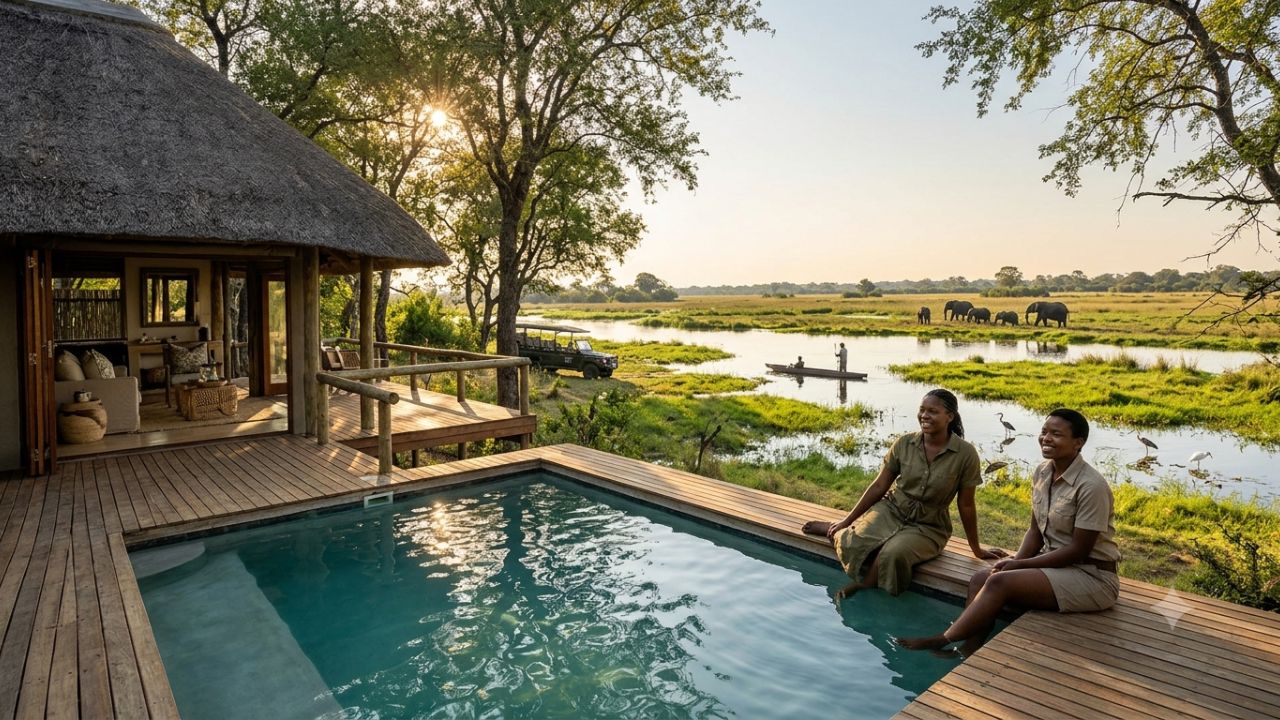
Botswana’s conservation-led hospitality sector has expanded its high-value, low-impact safari portfolio with the official launch of Kanana Nyana, an intimate four-suite wilderness retreat in the heart of the UNESCO World Heritage-listed Okavango Delta. Developed by Ker & Downey Botswana, the solar-powered micro-camp accommodates just eight guests along the Xudum River, blending bespoke wildlife encounters, traditional mokoro canoe expeditions, and regenerative architecture with private plunge pools and dedicated wellness amenities.
The debut of Kanana Nyana on 15 October 2026 marks a deliberate reinforcement of Botswana’s national tourism philosophy, which prioritizes low visitor volumes to protect sensitive wilderness habitats while generating substantial economic returns. Situated within a secluded private concession bordering the renowned Moremi Game Reserve, the property replaces mass-market hospitality with highly tailored wilderness immersion. By capping total occupancy at eight guests, the camp provides an environment where safari itineraries are dictated entirely by guest curiosity, guide expertise, and real-time animal movements rather than rigid schedule templates.
Overlooking the perennial waters and seasonal floodplains of the Xudum River, Kanana Nyana delivers an authentic dual-element safari combining terrestrial tracking and aquatic exploration. International travelers navigate papyrus-lined channels by traditional poler-propelled mokoro, embark on nocturnal predator drives, and observe rare avian species, including breeding waterbird colonies and the elusive Pel’s fishing owl. Supported by architectural engineering that harnesses 100 percent solar power and elevated structures that preserve ground-level wildlife migratory paths, the camp represents a modern benchmark for sustainable luxury across Southern Africa.
========================================================================================
KANANA NYANA SAFARI CAMP: OPERATIONAL PROFILE
========================================================================================
Operational Dimension                Property Specification
----------------------------------------------------------------------------------------
Official Opening Date                15 October 2026
Management & Operating Entity        Ker & Downey Botswana
Geographic Location                  Okavango Delta (Kalahari Basin), Northern Botswana
Setting & Natural Feature            Overlooking the Xudum River & Seasonal Floodplains
Concession Setting                   Private Conservation Concession bordering Moremi
Guest Accommodation Capacity         4 Thatched Botanical Suites (Maximum 8 Guests)
Key Architectural Features           Private Plunge Pools, Timber Decks, Solar Power
Guiding & Vehicle Allocation         2 Custom Safari Vehicles (Max 4 Guests per Vehicle)
Primary Access Transit Point         Maun International Airport (MUB) via Light Aircraft
Operating Schedule                   Year-Round Operations across All Safari Seasons
========================================================================================
Strategic Architecture of Botswana’s Low-Volume, High-Value Tourism Model
Botswana’s safari economy stands apart in sub-Saharan Africa due to its decades-long commitment to a "high-value, low-volume" tourism development model. Rather than pursuing mass tourist arrivals, the Botswana Tourism Organisation (BTO) and the Department of Wildlife and National Parks (DWNP) structure commercial concessions to limit bed counts across wilderness zones. This structural capping prevents habitat degradation, mitigates vehicle crowding at predator sightings, and preserves the pristine aesthetic of the Okavango Delta.
The Okavango Delta is one of the world's very few major inland wetland systems without a direct oceanic outlet. Originating in the humid highlands of central Angola, rainwater gathers in the Cubango and Cuito rivers before converging into the Okavango River, flowing through Namibia's Caprivi Strip, and spilling across the sands of Botswana's Kalahari Basin. Each year, between June and August, this monumental influx of water—the annual winter flood—transforms parched savanna into a lush labyrinth of channels, lagoons, and forested islands spanning between 6,000 and 15,000 square kilometres.
========================================================================================
BOTSWANA SAFARI FRAMEWORK: NATIONAL PARKS VS PRIVATE CONCESSIONS
========================================================================================
Operational Feature        Public National Parks (e.g. Moremi)  Private Concessions (e.g. Kanana)
----------------------------------------------------------------------------------------
Vehicle Density Control    Multiple lodges share road networks  Strictly capped bed-to-land ratio
Off-Road Driving           Prohibited; strictly on trails       Permitted for high-profile sightings
Night Game Drives          Prohibited after sunset gates close  Permitted with infrared spotlights
Walking Safaris On Foot    Restricted to specific zones         Permitted with armed safari guides
Water-Based Exploration    Designated commercial boat jetties   Direct river and lagoon channel access
Crowding at Sightings      Multiple independent vehicles        Limited strictly to camp vehicles
Conservation Funding       Centralized government park fees     Direct concession rents to communities
========================================================================================
By situating Kanana Nyana within a private concession adjacent to Moremi Game Reserve, Ker & Downey Botswana secures critical operational freedoms essential for modern luxury travelers. While public national park regulations mandate that safari vehicles remain on established gravel roads and return to camp prior to sunset, private concession leases empower certified guides to track leopards off-road through riverine scrub, conduct nocturnal safaris to locate elusive carnivores, and lead guided bush walks on foot.
Kanana Nyana: Operational Blueprint of an Eight-Guest Sanctuary
Ker & Downey Botswana has operated conservation camps across the Okavango Delta and Makgadikgadi Pans for over four decades, including signature properties such as Kanana Camp, Okuti, Shinde, and Footsteps Across the Delta. The establishment of Kanana Nyana—translated in the local vernacular as "Little Kanana"—represents an intentional diversification toward micro-capacity hospitality, targeting multi-generational private families, small photographic parties, and ultra-high-net-worth travelers seeking absolute seclusion.
========================================================================================
KANANA NYANA BOTANICAL SUITE CONCEPTS
========================================================================================
Suite Theme              Botanical Inspiration             Distinct Interior Highlights
----------------------------------------------------------------------------------------
Suite 1: Marula          Sclerocarya birrea                Warm golden hues, textured bark motifs,
                         (Traditional fruit & wood)        natural hide accents, sunset river view.
----------------------------------------------------------------------------------------
Suite 2: Sausage Tree    Kigelia africana                  Deep burgundy accents, organic hanging
                         (Iconic hanging woody gourd)      pendants, polished local timber finishes.
----------------------------------------------------------------------------------------
Suite 3: Jackalberry     Diospyros mespiliformis           Rich forest greens, woven reed textiles,
                         (Dense riverine canopy tree)      artisan ceramics, shaded deck lounge.
----------------------------------------------------------------------------------------
Suite 4: Sycamore Fig    Ficus sycomorus                   Earthy ochre tones, expansive canopy views,
                         (Expansive buttressed root tree)  sculptural stone bathroom fixtures.
========================================================================================
Common Amenities: Private plunge pool, timber veranda, outdoor rain shower, solar climate control.
========================================================================================
The property’s footprint is deliberately restrained. Four detached thatched suites are positioned within natural clearings beneath an ancient riverine tree canopy along the banks of the Xudum River. Every suite functions as an independent wilderness haven, featuring floor-to-ceiling mesh screens that allow cross-breezes and ambient wildlife sounds to permeate the interior while excluding insects.
Attached to each suite is an expansive private hardwood deck cantilevered above the floodplain, fitted with an individual sunken plunge pool, outdoor lounging chaises, and a private dining nook. This configuration allows guests to alternate between active game tracking and solitary wilderness contemplation without congregating in communal spaces unless desired.
Communal facilities consist of an open-sided central mess tent incorporating an intimate library lounge, a cocktail bar stocked with premium spirits and regional South African wines, and an alfresco dining deck arranged around an open firepit (kgotla). Here, guests gather at dusk to share safari narratives beneath the untamed southern constellations.
Nature-Centric Architecture and Ecological Engineering
The architectural design of Kanana Nyana was directed by Archidea Architects, with interior design conceptualized and executed by the renowned studio Reflecting Africa. The overarching design mandate required all built structures to touch the earth lightly, ensuring the site could theoretically revert to its natural state without leaving permanent industrial scars.
========================================================================================
ECOLOGICAL ENGINEERING & DESIGN SPECIFICATIONS
========================================================================================
System Component         Engineering Solution              Environmental Benefit
----------------------------------------------------------------------------------------
Energy Supply            100% Off-Grid Solar PV Array      Eliminates diesel generator emissions
                         with Lithium Battery Bank         and engine noise pollution in camp.
----------------------------------------------------------------------------------------
Foundation Engineering   Elevated Timber Stilt Pilings     Preserves topsoil hydrology and lets
                         Above Sandy Alluvial Substrate    small mammals navigate beneath units.
----------------------------------------------------------------------------------------
Roof Architecture        High-Pitch Thatched Roofs         Natural thermal insulation and passive
                         with Wide Overhanging Eaves       shade protection from intense sun.
----------------------------------------------------------------------------------------
Water Management         Solar-Powered Borehole Pumps &    Zero chemical contamination; water
                         Advanced Multi-Stage Bioseptic    returned to wetlands at potable purity.
----------------------------------------------------------------------------------------
Interior Sourcing        Local Acacia Timbers, Woven Reeds,Minimizes embodied transport carbon;
                         Natural Linen, Organic Ceramics   supports regional artisan guilds.
========================================================================================
The camp operates completely off-grid, drawing electrical power from an expansive photovoltaic solar farm paired with high-capacity lithium iron phosphate (LiFePO4) battery storage. This silent energy infrastructure powers room refrigeration, climate-management fans, lighting, and water-heating systems without generating the persistent mechanical drone of traditional bush generators, maintaining the acoustic serenity of the Okavango wilderness.
Passive environmental design principles govern the interior spaces. Elevated ceilings permit warm air to rise and exhaust through thatch vents, while low-profile exterior roof overhangs shield glass and canvas walls from direct solar heat gain during mid-afternoon peaks. Graywater and blackwater are processed through multi-chamber biological filtration treatment systems that break down waste through anaerobic digestion, returning purified effluent into the sub-surface sandy substrate without compromising the delicate water chemistry of the Xudum River drainage.
Multi-Faceted Safari Expeditions: Land and Water Wildlife Encounters
The ecological versatility of the Kanana concession allows visitors to experience the full spectrum of African wildlife encounters. Northern Botswana contains the largest contiguous population of African savanna elephants (Loxodonta africana) on the continent, alongside healthy populations of apex predators, ungulates, and aquatic mammals.
========================================================================================
WILDLIFE ENCOUNTER MATRIX: XUDUM RIVER CONCESSION
========================================================================================
Wildlife Category        Key Species Present               Optimal Observation Method
----------------------------------------------------------------------------------------
Apex Predators           Lion, Leopard, Cheetah,           Day and night 4x4 game drives;
                         African Wild Dog, Spotted Hyena   tracking fresh spoor along trails.
----------------------------------------------------------------------------------------
Mega-Herbivores          Savanna Elephant, Cape Buffalo,   Riverfront observation from deck,
                         Hippopotamus, Giraffe             motorboat channels, vehicle drives.
----------------------------------------------------------------------------------------
Wetland Specialists      Red Lechwe, Sitatunga, Waterbuck, Mokoro canoe excursions,
                         Nile Crocodile, Monitor Lizard    channel walks on island banks.
----------------------------------------------------------------------------------------
Plains Game              Plains Zebra, Blue Wildebeest,    Morning savanna drives,
                         Impala, Greater Kudu, Tsessebe    bush walks with armed guides.
----------------------------------------------------------------------------------------
Nocturnal Enigmas        Aardvark, Serval, Civet, Genet,   Night spotlight drives with
                         Pangolin (rare), Honey Badger     experienced tracking teams.
========================================================================================
Kanana Nyana maintains an exceptional guest-to-vehicle ratio. The camp assigns two custom-engineered open Land Cruiser safari vehicles to its maximum contingent of eight guests, guaranteeing no more than four travelers per vehicle under standard operations. Each vehicle features tiered bucket seating, photographic support arms, charging ports, and unobstructed 360-degree sightlines. With small groups, certified professional guides can adapt each drive dynamically—spending hours patiently waiting for a female leopard to descend from a Jackalberry bough or following a pack of endangered African wild dogs during an open-plains pursuit.
Night drives introduce travelers to a covert realm of animal behavior. Utilizing handheld red-filtered spotlights that avoid blinding wildlife, trackers scan terminal branches and brush piles to locate nocturnal hunters such as servals, caracals, African civets, and spotted hyenas setting out on patrol.
========================================================================================
WATER VS TERRESTRIAL EXPEDITIONS AT KANANA NYANA
========================================================================================
Safari Mode              Craft / Vehicle Profile           Sensory Highlights
----------------------------------------------------------------------------------------
Mokoro Excursion         Traditional fiberglass canoe;     Silent, water-level perspective;
                         propelled by wooden standing pole glides past fragrant day waterlilies
                         (Ngashi) in shallow waterways.    and reed frogs at eye level.
----------------------------------------------------------------------------------------
Motorboat Safari         Aluminum flat-bottom watercraft;  Fast access to deep channels and
                         outboard motor for navigating     perennial lagoons; excellent for viewing
                         navigable deep river networks.    swimming elephants and pod hippos.
----------------------------------------------------------------------------------------
Walking Safari           Accompanied by armed, certified   Slow-paced tactile engagement;
                         professional guides; focuses on   learning spoor tracking, medicinal
                         micro-flora and geology.          botany, and termite mound ecology.
----------------------------------------------------------------------------------------
4x4 Land Safari          Custom open Toyota Land Cruiser;  Long-range territory coverage;
                         raised tiered passenger seats     dynamic off-road tracking of apex
                         and specialized camera mounts.    predators across varied woodland terrain.
========================================================================================
Water-based safari excursions represent the quintessential Okavango experience. During a mokoro excursion, guests sit reclined within a narrow, shallow-draft canoe pushed effortlessly through calm channels by an expert local poler standing at the stern. Propelled solely by muscle and a long wooden pole (ngashi), the mokoro glides silently across clear, filtered waters, allowing travelers to inspect painted reed frogs clinging to papyrus stems, admire brilliant blue and white waterlilies (Nymphaea nouchali), and approach drinking elephants without mechanical disturbance.
Specialist Ornithological Tourism: The Seasonal Heronry and Pel's Fishing Owl
Beyond megafauna, Kanana Nyana occupies a revered position among international ornithologists and specialist bird photographers. The Okavango Delta is classified by BirdLife International as an Important Bird Area (IBA), supporting more than 450 resident and migratory avian species.
The primary ornithological magnet within the concession is a renowned seasonal heronry. Commencing in late winter and extending through spring (August to December), thousands of waterbirds converge upon secluded island lagoons within the Kanana concession to breed. The colonies form a dense, noisy nursery across the branches of water-fringed water figs and mangosteen trees.
========================================================================================
KEY AVIAN SPECIES OF THE KANANA CONCESSION
========================================================================================
Species Common Name      Scientific Nomenclature           Conservation / Twitcher Profile
----------------------------------------------------------------------------------------
Pel's Fishing Owl        Scotopelia peli                   Vulnerable; massive ginger-colored owl
                                                           hunting fish nocturnal in deep lagoons.
----------------------------------------------------------------------------------------
Slaty Egret              Egretta vinaceigula               Vulnerable endemic; feeds selectively
                                                           in shallow temporary floodplains.
----------------------------------------------------------------------------------------
Wattled Crane            Bugeranus carunculatus            Vulnerable; relies on expansive,
                                                           undisturbed sedge wetland marshes.
----------------------------------------------------------------------------------------
Lesser Jacana            Microparra capensis               Uncommon resident; walks over floating
                                                           vegetation in perennial backwaters.
----------------------------------------------------------------------------------------
African Skimmer          Rynchops flavirostris             Near threatened; nests on exposed sandbars;
                                                           skims river surface with lower mandible.
----------------------------------------------------------------------------------------
Carmine Bee-eater        Merops nubicoides                 Intra-African migrant; nests in riverbanks;
                                                           striking crimson and azure plumage.
========================================================================================
The heronry hosts vibrant aggregations of Marabou Storks, Yellow-billed Storks, Openbill Storks, Sacred Ibises, African Spoonbills, and multiple heron species. Guests aboard flat-bottomed aluminum boats can safely observe nest-building rituals, territorial displays, and competitive feeding bouts from respectable distances, capturing world-class telephoto imagery without distressing nesting pairs.
Equally celebrated is the consistent presence of the elusive Pel’s fishing owl (Scotopelia peli). One of the world’s largest and rarest nocturnal raptors, the Pel's fishing owl lacks the feathered wing mufflers characteristic of rodent-hunting owls because fish cannot detect airborne sounds beneath water. Instead, it relies on bare, sandpaper-textured feet to snatch tigerfish and catfish from surface ripples under moonlight. Ker & Downey Botswana’s resident guides maintain extensive knowledge of day-roosting trees along the Xudum River, providing specialist birders with rare, reliable daytime viewing opportunities.
Safari Wellness Integration: Active Wilderness Exploration and Recovery
Modern international safari itineraries increasingly integrate physical wellness with outdoor exploration. Kanana Nyana has addressed this shifting demand by introducing deliberate health and restorative facilities designed around the natural rhythms of the African bush.
========================================================================================
WELLNESS ARCHITECTURE & RECOVERY PROTOCOLS
========================================================================================
Facility / Treatment     Operational Scope                 Wellness Application
----------------------------------------------------------------------------------------
Private Plunge Pools     Individual cold plunge on each    Post-drive thermal cooling and
                         suite deck overlooking river      muscular relaxation overlooking water.
----------------------------------------------------------------------------------------
Dedicated Cold Ice Bath  Central wellness terrace          Controlled cold-water immersion therapy
                         chilled to 4°C–8°C (39°F–46°F)    reducing systemic inflammation after walks.
----------------------------------------------------------------------------------------
Boutique Fitness Gym     Compact enclosed facility with    Cardiovascular and functional weight
                         cardio machines & free weights    training with floor-to-ceiling bush views.
----------------------------------------------------------------------------------------
In-Suite Massage Spa     Mobile therapists utilizing       Restorative deep tissue massages using
                         organic African botanicals        marula, rooibos, and baobab seed oils.
----------------------------------------------------------------------------------------
Mindful Quietude         Camp-wide absence of engine       Acoustic decompression and circadian rhythm
                         generators and electronic hum     reset driven by natural wilderness sounds.
========================================================================================
Between morning and late-afternoon game drives, guests can access an on-site fitness facility equipped with stationary bicycles, treadmills, yoga mats, and free weights, positioned behind transparent glass screens facing the open floodplain. For post-excursion muscular recovery, the property features a specialized cold-water ice bath alongside heated plunge options, providing contrast therapy that stimulates blood circulation and eases physical tension accumulated during rugged off-road safaris.
In-suite spa therapies leverage locally harvested botanicals, such as cold-pressed marula oil, kalahari melon seed oil, and wild-harvested baobab extracts. These treatments are delivered directly on private suite decks, where the soothing natural rustle of river reeds and distant hippo calls replace synthetic spa acoustics.
Aviation Logistics and Access Architecture: Navigating the Maun Hub
Accessing remote luxury properties within the Okavango Delta requires carefully synchronized multi-leg aviation logistics. Northern Botswana contains virtually no commercial road infrastructure connecting its inner delta islands with urban centers, making air travel the indispensable lifeline for safari operations.
========================================================================================
TRANSIT ARTERIES TO KANANA NYANA VIA MAUN (MUB)
========================================================================================
Origin Hub (Airport)     Operating Carrier                 Flight Schedule & Aircraft
----------------------------------------------------------------------------------------
Johannesburg, SA (JNB)   Airlink / Air Botswana            Daily direct flights; Embraer E-Jets;
                                                           flight time approx. 1 hr 45 mins.
----------------------------------------------------------------------------------------
Cape Town, SA (CPT)      Airlink                           Direct seasonal flights; Embraer 170/190;
                                                           flight time approx. 2 hrs 15 mins.
----------------------------------------------------------------------------------------
Windhoek, Namibia (WDH)  Airlink / Air Botswana            Scheduled regional services;
                                                           flight time approx. 1 hr 30 mins.
----------------------------------------------------------------------------------------
Gaborone, Botswana (GBE) Air Botswana                      Daily domestic services; ATR 72-600;
                                                           flight time approx. 1 hr 20 mins.
----------------------------------------------------------------------------------------
Maun Hub to Bush Strip   Safari Air / Mack Air             Bush charter; Cessna 208B Grand Caravan;
                         (Concession Airstrip)             flight time approx. 20–25 minutes.
========================================================================================
The primary international gateway is Maun International Airport (MUB), situated on the southern fringes of the Delta. Maun functions as one of the busiest general aviation airfields in the Southern Hemisphere, handling hundreds of light aircraft movements daily. Travelers arrive on scheduled regional flights from Johannesburg (O.R. Tambo International) or Cape Town, clearing Botswana customs and immigration before transferring to the domestic general aviation terminal.
From Maun, guests board single-engine turboprop bush aircraft—predominantly the reliable Cessna 208B Grand Caravan—for a 20-to-25-minute flight across the Okavango waterways to a designated concession airstrip. This aerial transfer provides passengers with a spectacular low-altitude scenic flight, revealing elephant herds wading across sandbars and hippos carving deep channels through papyrus beds. Upon touchdown on the gravel runway, guests are met by their dedicated camp guide in an open 4x4 Land Cruiser for a short game drive transfer directly to Kanana Nyana.
========================================================================================
BUSH AVIATION PROTOCOLS & BAGGAGE MANDATES
========================================================================================
Luggage Parameter        Standard Specification            Operational Reason
----------------------------------------------------------------------------------------
Weight Limit             Strictly 15 kg to 20 kg           Aircraft weight and balance safety limits
                         (33 lbs to 44 lbs) total per gueston light bush aircraft with full fuel.
----------------------------------------------------------------------------------------
Bag Construction         Strictly Soft-Sided Duffel Bags   Small pod holds on Cessna Caravans cannot
                         (No hard rims, frames, or wheels) accommodate rigid rectangular suitcases.
----------------------------------------------------------------------------------------
Carry-On Luggage         1 small personal item (max 5 kg)  Must fit under guest's legs in the cabin;
                         holding cameras and medication    no overhead bins exist on bush planes.
----------------------------------------------------------------------------------------
Excess Luggage Storage   Complimentary secure lockup       Non-safari city clothing stored safely
                         facilities at Maun Airport base   and returned upon departure flight.
========================================================================================
Because light bush planes utilize compact baggage pods located beneath the fuselage, strict physical luggage restrictions apply. Hard-shell rolling suitcases with rigid aluminum or plastic frames cannot be compressed into aircraft cargo bays and are universally rejected at the boarding gate. Travelers must pack using soft-sided duffel bags, taking advantage of Kanana Nyana’s complimentary daily laundry service to maintain manageable luggage weights.
Empirical Insights: The Botswana Visitor Survey Report 2025–26
The commercial viability of ultra-luxury boutique camps like Kanana Nyana is supported by rigorous empirical data published in the Botswana Visitor Survey Report 2025–26, released by the Ministry of Environment and Tourism in July 2026.
========================================================================================
BOTSWANA VISITOR SURVEY REPORT 2025–26: CORE METRICS
========================================================================================
Visitor Demographic Metric           Surveyed Proportion   Strategic Implication
----------------------------------------------------------------------------------------
First-Time Travelers to Botswana     26.4%                 Sustained international brand discovery
Repeat Visitors to Botswana          73.6%                 Exceptional brand loyalty & satisfaction
Long-Haul First-Time Proportion      Above 60%             Strong demand from North America/Europe
Regional SADC Repeat Proportion      Above 80%             High-frequency weekend/business travel
Primary Motivation: Leisure/Safari   Over 75% of arrivals  Wildlife tourism remains economic pillar
Average Concession Stay Duration     3.8 Nights per Lodge  Preference for multi-camp circuits
========================================================================================
The survey reveals that while the overall share of first-time visitors stood at 26.4 percent across all entry points, long-haul travelers originating from North America and Western Europe exhibited a significantly higher proportion of first-time visitors. These travelers consistently express demand for boutique, highly personalized safari camps offering private suites and specialized activities like mokoro excursions and night drives.
Conversely, visitors originating from neighboring Southern African Development Community (SADC) nations demonstrated high repeat visitation rates, reflecting frequent driving trips and regional weekend holidays. For Ker & Downey Botswana, capturing high-yield long-haul travelers requires offering distinctive luxury products that justify premium nightly tariffs while maintaining strict environmental standards.
The economic multiplier effects of boutique safari camps extend far beyond the immediate property boundaries. In Botswana, concession lease agreements require private safari operators to pay substantial annual resource royalties directly to local community trusts or the national treasury. In addition, high-end lodges generate high employment-to-guest ratios—often employing between three and four staff members per guest—encompassing professional safari guides, skilled trackers, culinary chefs, housekeepers, mechanics, solar technicians, and anti-poaching patrol scouts.
Practical Safari Planning Checklist for Okavango Delta Travelers
Planning a journey to the Okavango Delta requires strategic alignment with regional weather patterns, flood cycles, health protocols, and packing guidelines.
========================================================================================
SEASONAL CALENDAR FOR OKAVANGO DELTA EXPEDITIONS
========================================================================================
Season & Months          Climatic Conditions               Wildlife & Safari Dynamics
----------------------------------------------------------------------------------------
Peak Flood Season        Dry, clear skies; warm days       Water channels at peak levels; excellent
(June to August)         (25°C/77°F) & cold nights (6°C).  mokoro & boating; animals gather on islands.
----------------------------------------------------------------------------------------
Dry Spring Season        Intense heat (35°C–40°C);         Water dries up; massive wildlife
(September to October)   dry savannas; hazy dust skies.    concentrations around remaining river pools.
----------------------------------------------------------------------------------------
Green Summer Season      Warm summer rains, lush green     Birthing season for antelopes; abundant
(November to April)      savannas, afternoon thunderstorms.predator activity; peak migratory birding.
========================================================================================
Essential Preparation Steps
- Advance Booking Windows: Due to Kanana Nyana’s strict four-suite, eight-guest capacity, availability during the peak dry and flood seasons (June through October) must be secured nine to twelve months in advance.
- Medical Precautions & Prophylaxis: Northern Botswana is classified as a malaria-risk zone. Travelers should consult specialized travel medical clinics four to six weeks prior to departure to obtain recommended antimalarial chemoprophylaxis (such as atovaquone-proguanil or doxycycline). Routine vaccinations for hepatitis A, tetanus, and typhoid should also be current.
- Clothing and Field Gear: Safari attire should emphasize neutral, earth-toned fabrics (khaki, olive, tan, and stone). Bright white garments stand out conspicuously to wildlife, while dark navy and black textiles attract biting tsetse flies in woodland patches. High-SPF sunscreen, wide-brimmed sun hats, polarized sunglasses for water glare, and lightweight fleece jackets for chilly dawn drives are indispensable.
- Photographic Equipment: Wildlife photography requires versatile optical zoom equipment. Full-frame cameras equipped with 100–400mm or 150–600mm telephoto zoom lenses deliver optimal focal flexibility for capturing distant birds and close-range carnivore portraits. High-speed memory cards and spare batteries are vital, as solar charging docks operate at standard 220V capacity.
========================================================================================
PRE-DEPARTURE LOGISTICAL CHECKLIST
========================================================================================
Category                 Required Action                   Timeline
----------------------------------------------------------------------------------------
Passport Validity        Ensure 6+ months validity from    6 Months Prior
                         entry date; minimum 3 blank pages.
----------------------------------------------------------------------------------------
Visa Formalities         Verify tourist visa exemptions    3 Months Prior
                         (US, UK, EU, CAN exempt for 90 d).
----------------------------------------------------------------------------------------
Bush Flight Luggage      Acquire soft-sided duffel bag     1 Month Prior
                         measuring within aircraft specs.
----------------------------------------------------------------------------------------
Medical Clearance        Consult travel physician for      4–6 Weeks Prior
                         malaria and routine vaccinations.
----------------------------------------------------------------------------------------
Currencies & Tipping     Bring clean US Dollars (post-2013)At Departure
                         or Botswana Pula (BWP) for tips.
========================================================================================
Strategic Outlook: The Future of Ultra-Exclusive Conservation Tourism
The successful commissioning of Kanana Nyana exemplifies how private sector investment can harmonize luxury hospitality with uncompromising ecological stewardship. By deliberately capping occupancy at four suites, Ker & Downey Botswana has demonstrated that the future of African wilderness travel lies not in expanding hotel footprints, but in refining the depth, intimacy, and environmental integrity of the guest experience.
As international travelers increasingly demand genuine sustainability and demonstrable conservation benefits from luxury travel providers, properties like Kanana Nyana establish a replicable standard. Through 100 percent solar electrification, passive architectural cooling, restorative wellness amenities, and deep community integration, this intimate sanctuary ensures that the wild waterways of the Okavango Delta will continue to thrive as an enduring sanctuary for global biodiversity and discerning wilderness explorers for generations to come.
Related Travel Guides
- Doha and AlUla Redefine Middle East Winter Tourism: Formula 1, Desert Safaris, Hegra Hot Air Balloons, and Extreme Endurance in 2026–2027
- China Drives Rural Tourism Revitalisation: How Shibadong and Simola Wa Village Transform Local Economies Through Cultural Heritage and Cooperatives
- Albania and Southern Europe Face Tourism Strains as Inflation Pressures and Anti-Overtourism Protests Reshape Travel Economics
- Nepal Invests Rs 4.5 Billion in Rupa Lake Tourism Expansion: Dam Construction, Island Temple, and Eco-Recreation Corridor in Pokhara
This article is for informational purposes. Flight routes, passenger regulations, visa rules, and transit advisories are subject to change by airlines and aviation authorities. Readers are advised to verify schedules and travel documentation with relevant carriers and border agencies before departure.
Related Stories
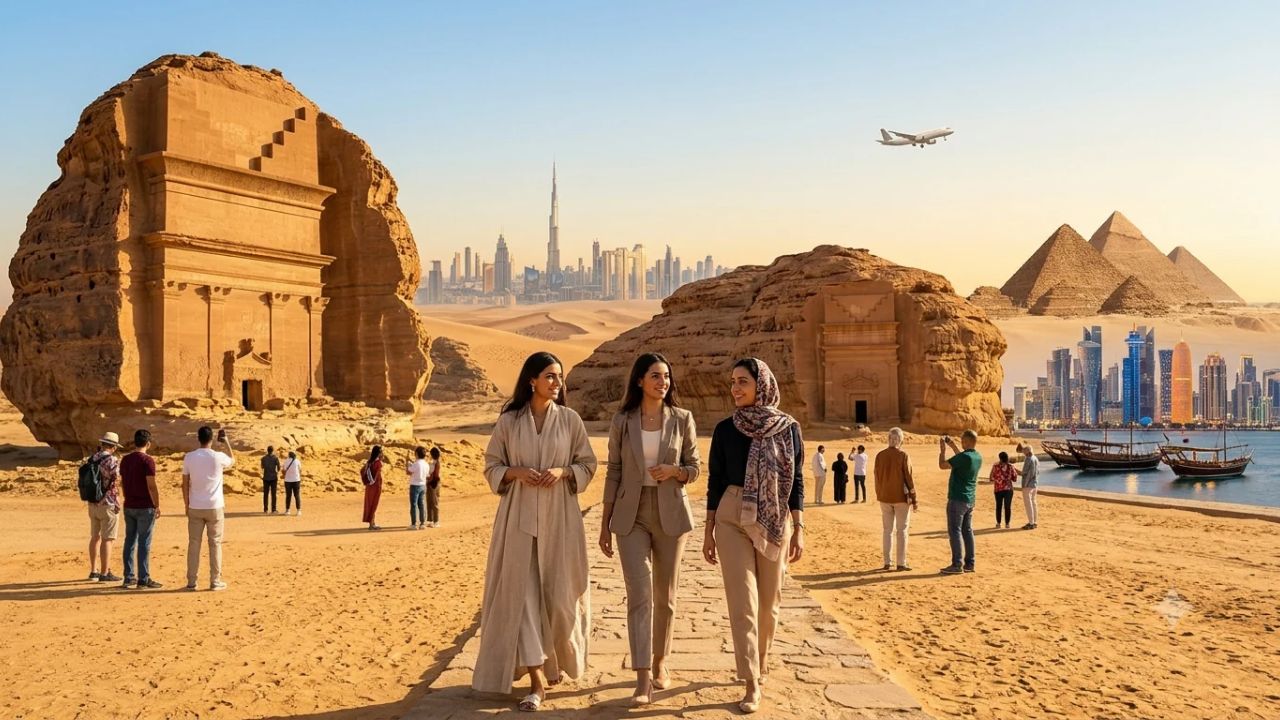
Saudi Arabia, UAE, Qatar, and Egypt Defy Tourism Crisis Claims: Official UN Tourism and Ministry Data Reveal Resilient Travel Growth in 2026
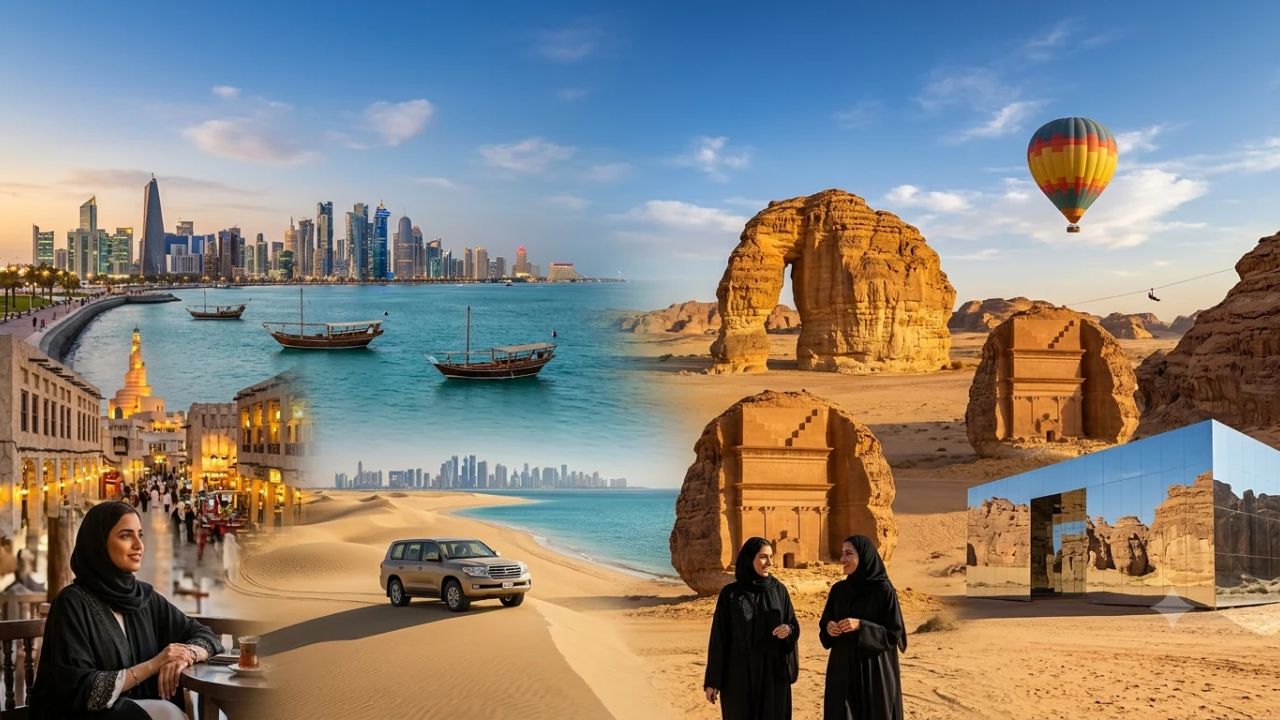
Doha and AlUla Redefine Middle East Winter Tourism: Formula 1, Desert Safaris, Hegra Hot Air Balloons, and Extreme Endurance in 2026–2027