
Bolivia Travel Scene Transforms Big as Lake Titicaca and Isla del Sol Captivate Discerning Slow Travelers Worldwide
Bolivia Travel Scene Transforms Big as Lake Titicaca and Isla del Sol Captivate Discerning Slow Travelers Worldwide

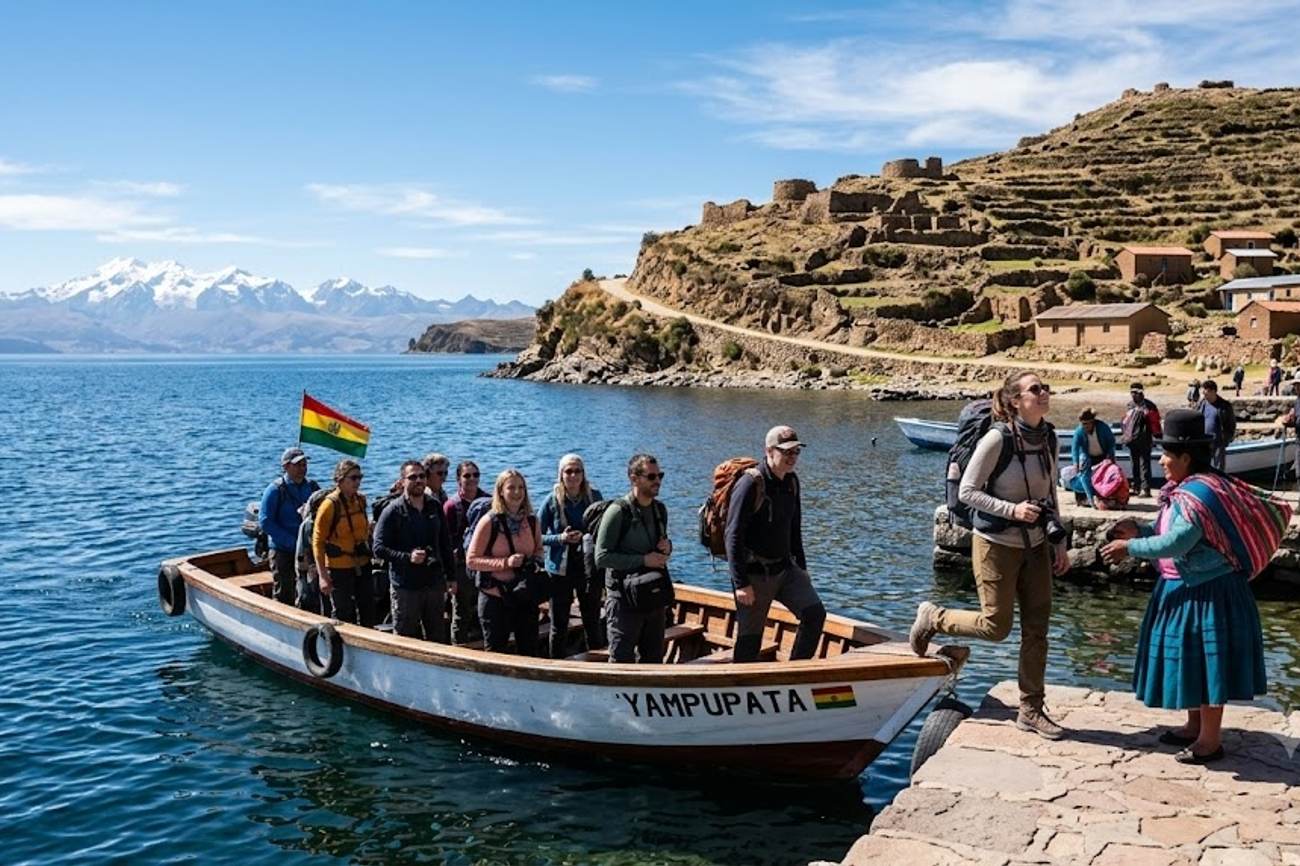
Image generated by AI
3,800 metres above sea level is the baseline elevation for travelers entering the Lake Titicaca region, a figure that fundamentally dictates the pace, logistics, and physical demands of tourism in the Bolivian Altiplano. This extreme altitude transforms the region from a mere sightseeing stop into a mandatory period of physiological adjustment, forcing a "slower rhythm" of travel that contrasts sharply with the high-velocity itineraries typical of South American circuits. While the lowland regions, specifically around Santa Cruz, currently grapple with environmental volatility and forest fire risks, the high-altitude corridor of Copacabana and Isla del Sol has emerged as a stable, culture-centric alternative for mid-September arrivals.
The Altiplano Pivot: From Sightseeing to Slow Tourism
The shift toward the Altiplano is not accidental but a result of both environmental necessity and a strategic pivot by the Bolivian government. As the lowland tropics face seasonal ecological pressures, the high-altitude regions—comprising Lake Titicaca, Copacabana, and Isla del Sol—are being positioned as the primary anchors for nature, archaeological, and rural tourism.
This region is defined by its role as a cradle of ancient Andean civilization. The physical infrastructure of the area is not merely natural but engineered; the landscape is dotted with pre-Columbian hydraulic systems, stone monuments, temples, and agricultural terraces. For the modern traveler, this means the "destination" is not a single point on a map but a network of ancient pathways. The Bolivian Government has increasingly leaned into this "living heritage" model, where the attraction is not a dead ruin but a functioning community of Aymara people who maintain the same agricultural practices and worldviews that existed centuries ago.
Logistics of the Titicaca Gateway
The flow of tourism into this high-altitude zone follows a specific logistical funnel. Copacabana serves as the primary transit hub, acting as the essential gateway for those moving from the mainland to the islands. Its importance lies in its dual role as a center for religious heritage and the primary embarkation point for boat routes.
From Copacabana, the journey extends to Isla del Sol, where the infrastructure shifts from motorized transport to pedestrian movement. The island is divided into key settlements, most notably Yumani and Challapampa, which serve as the operational bases for community-led tourism.
| Location | Primary Function | Key Activities | Infrastructure Type |
|---|---|---|---|
| Copacabana | Transit Gateway | Religious sites, Boat charters | Urban/Lakeside |
| Isla del Sol | Cultural Immersion | Hiking, Archaeology, Rural stays | Community-based |
| Yumani | Settlement Hub | Local lodging, Guiding | Rural/Indigenous |
| Challapampa | Settlement Hub | Agricultural tours, Local food | Rural/Indigenous |
The movement between these points is intentionally slow. The lack of extensive road networks on Isla del Sol means that the act of walking between Yumani and Challapampa is the primary method of exploration. This forces a direct interaction with the geography and the local Aymara population, moving the economic benefit of tourism away from large hotel chains and directly into the hands of village residents.
Expert Analysis: The Economic Logic of Community-Based Tourism
For travelers booking routes through the Altiplano, the direct consequence of the community-oriented model in Yumani and Challapampa is a shift in spending patterns. In traditional tourism, a significant percentage of "leakage" occurs—where money spent by tourists leaves the local economy to pay for international hotel brands or foreign tour operators. However, the model deployed on Isla del Sol minimizes this leakage by integrating accommodation, guiding, and gastronomy into a single community-led ecosystem.
The pricing pressure created by this model is generally lower than in luxury hubs, but it demands a different kind of "payment" from the traveler: time. By promoting "slow tourism," Bolivia is effectively increasing the Average Length of Stay (ALOS) per visitor. When a traveler is forced to spend three days adjusting to 3,800 metres of altitude rather than one day on a bus tour, the multiplier effect on the local economy increases. They buy more local trout, hire more local guides to interpret pre-Columbian roads, and stay in more community-run guesthouses.
Furthermore, this diversification strategy protects the national tourism brand from regional volatility. By promoting the Altiplano as a stable alternative to the fire-prone lowlands of Santa Cruz, the World Tourism Organization (UNWTO) framework for sustainable destination management is mirrored here: diversifying the "product" to ensure that environmental disasters in one climate zone do not collapse the entire national tourism economy.
Key Takeaways
- Altitude Mandate: The 3,800m+ elevation requires a fundamental shift in itinerary planning, moving from fast-paced excursions to slow-rhythm travel for health and acclimation.
- Strategic Diversification: Bolivia is actively shifting tourist traffic toward the Altiplano to mitigate the impact of forest fires and environmental instability in the lowland Santa Cruz region.
- Community-Centric Economy: Tourism in Yumani and Challapampa operates on a non-corporate model, where local Aymara residents control the lodging, food, and guiding services.
- Living Archaeology: The region's value lies in "living heritage," where pre-Columbian terraces and hydraulic systems are still integrated into contemporary Andean agriculture.
- Gastronomic Integration: Local trout serves as a primary culinary draw, linking the natural resources of Lake Titicaca directly to the rural tourism economy.
FAQ: Bolivia Altiplano Travel 2024
How do I handle the altitude at Lake Titicaca? With elevations exceeding 3,800 metres, travelers should plan for several days of "slow travel." Hydration, avoiding heavy meals upon arrival, and consulting a physician about altitude medication are standard precautions for the Altiplano region.
What is the best way to get to Isla del Sol? The standard route is to travel to the town of Copacabana first. From there, you can secure boat transport to the island, which serves as the primary gateway for all visitors to the Titicaca islands.
Is Isla del Sol a developed tourist destination? No. It relies on community-based tourism. While there are guesthouses in Yumani and Challapampa, the island lacks large-scale hotel infrastructure, meaning most transport between sites is done on foot via ancient trails.
When is the best time to visit the Bolivian highlands? Mid-September is a strong window, as it allows travelers to avoid the environmental pressures (like forest fires) affecting the lowlands while taking advantage of the stable climate of the Altiplano.
The Altiplano is no longer a stopover; it is a blueprint for how indigenous heritage can drive a sustainable, slow-growth tourism economy.
Tags: Lake Titicaca, Isla del Sol, Aymara Culture, Bolivia Tourism 2024, Altiplano Travel, Copacabana Logistics
Related Travel Guides
Disclaimer
This article is for informational and educational purposes only. It does not constitute legal, financial, or professional advice. While we strive to provide accurate and up-to-date information, travel policies, regulations, and conditions change rapidly. Always verify information with official sources before making travel decisions. Nomad Lawyer makes no representations about the accuracy, reliability, completeness, or suitability of the information provided. Readers should consult qualified professionals for advice specific to their circumstances. The views expressed in this article are those of the author and do not necessarily reflect the views of Nomad Lawyer.
Raushan Kumar
Founder & Lead Developer
Full-stack developer with 11+ years of experience and a passionate traveller. Raushan built Nomad Lawyer from the ground up with a vision to create the best travel and law experience on the web.
Learn more about our team →