
Bolivia Tourism 2026: Strategic Hotel Discounts and IVA Tax Exemptions for International Travelers
International travelers can leverage statutory IVA tax exemptions and seasonal hotel discounts of up to 35% in Bolivia during late 2026 to explore high-altitude cities and the Salar de Uyuni.

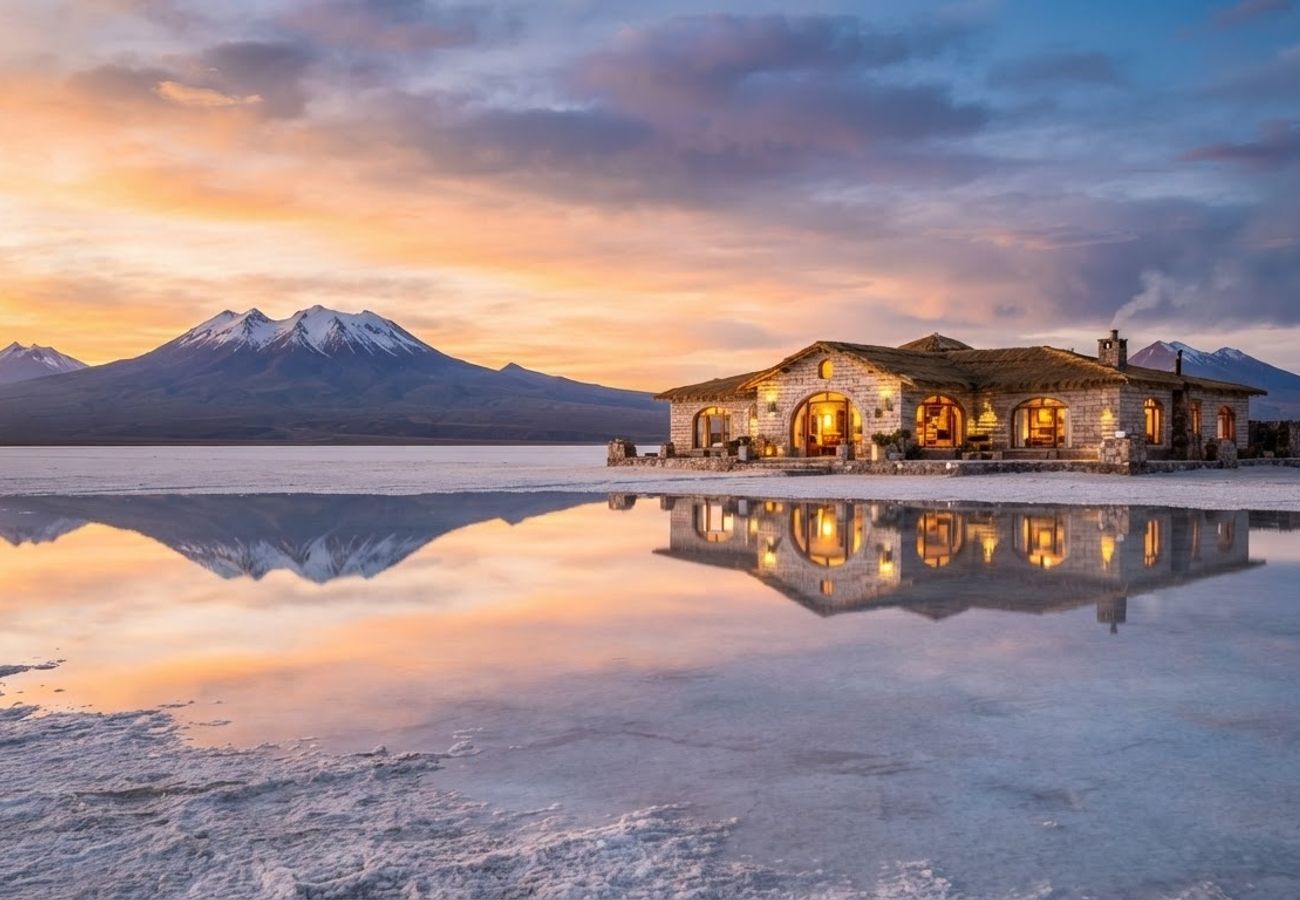
Image generated by AI
International visitors to Bolivia in late 2026 can significantly reduce travel overhead by combining statutory tax exemptions with seasonal shoulder-period discounts.
Strategic Pricing and Regulatory Frameworks
While private hotel operators in Bolivia set their own daily rack rates, the Viceministerio de Turismo and the Ministerio de Desarrollo Productivo y Economía Plural coordinate with municipal hotel associations (Cámaras Departamentales de Hotelería) to regulate seasonal discounts. This ensures tariff transparency during the September and October shoulder periods.
Legal protections under Ley N° 292 (Ley General de Turismo “Bolivia Te Espera”) prevent price gouging of international tourists and formalize off-peak reductions for certified businesses.
A critical financial advantage for foreign nationals is found in Ley N° 843. This legislation mandates a full 13% IVA tax exemption for visitors paying via international credit cards or foreign currency, provided they receive an official tourist export invoice (Factura de Exportación de Servicios).
Regional Market Analysis: Altiplano vs. Lowlands
Market data for late 2026 shows a distinct split between the high-altitude regions and the tropical lowlands.
- The Altiplano: In La Paz, Potosí, and Uyuni, occupancy levels typically hover between 48% and 58% during September and October. To drive bookings before the summer rains, luxury salt hotels near Colchani are offering advance-purchase reductions of up to 35%.
- The Lowlands: Santa Cruz de la Sierra sees a temporary surge in corporate rates during the Feria Internacional de Santa Cruz (Expocruz) in September. However, mid-week packages and weekend leisure discounts become available in October across Santa Cruz, Cochabamba, and the Tarija wine valleys.
2026 Projected Room Rates and Savings
Our analysis of national tourism baselines indicates substantial net savings across major destination hubs.
Accommodation Price Projections (Late 2026)
| Destination | Property Type | Standard Rate (USD) | Discounted Rate (USD) |
|---|---|---|---|
| La Paz | Heritage (Centro/Sopocachi) | $45 – $65 | $34 – $49 |
| La Paz | Upscale (Zona Sur) | $144+ | $88 – $144 |
| Salar de Uyuni | Specialty Salt Lodges | $160 – $280 | $128 – $182 |
| Sucre & Potosí | Colonial Heritage | $50 – $90 | $38 – $63 |
The most significant price drops are concentrated around the Salar de Uyuni, while colonial properties in Sucre and Potosí show reductions between 15% and 30%.
Verification Protocols for Travelers
To avoid unauthorized fees or inflated third-party commissions, travelers should implement the following verification steps:
- Check Registration: Confirm the property is listed in the official Registro de Prestadores de Servicios Turísticos.
- Passport Validation: Present a passport with a valid immigration entry stamp (Sistema de Control Migratorio – SII) at check-in to trigger the 13% IVA exemption.
- Direct Engagement: Contact regional bodies like the Cámara Hotelera de La Paz or Cámara Hotelera de Santa Cruz to access packages not listed on global booking engines.
Macroeconomic Impact and Community Stability
International tourism serves as a non-extractive economic pillar for Bolivia, with annual expenditure exceeding $739.9M USD. The state targets over 1.2M inbound arrivals via El Alto International Airport and land borders to strengthen foreign exchange reserves.
The hospitality sector aims for a 2.8% contribution to the national GDP. Beyond the numbers, off-peak travel in September and October provides critical financial stability for indigenous weaving cooperatives in Sucre and community-operated eco-lodges near Madidi National Park.
Why This Matters: Industry Implication
From a logistical and financial perspective, the convergence of Ley N° 843 (IVA exemption) and seasonal markdowns creates a unique "budget window" for high-end travel. For the savvy traveler, this means luxury salt lodges—usually priced as premium assets—become accessible at mid-range price points.
The reliance on the "Factura de Exportación de Servicios" is the most overlooked detail; without this specific invoice, the 13% tax saving is lost. For digital nomads or long-term travelers, the Altiplano's 48-58% occupancy rate provides significant leverage for negotiating extended-stay rates directly with hotel management.
Industry Outlook
Expect a continued push toward non-resource revenue as Bolivia seeks to diversify its economy away from mining. The integration of the Mi Teleférico cable car system will likely continue to drive tourism into the high-altitude urban centers of La Paz and El Alto by reducing transit friction. As the government targets 1.2M arrivals, we anticipate more formalized "shoulder season" packages to be marketed globally to flatten the occupancy curve.
Strategic timing and regulatory knowledge are the keys to unlocking Bolivia's high-altitude luxury for less.
Related Travel Guides
Disclaimer
This article is for informational and educational purposes only. It does not constitute legal, financial, or professional advice. While we strive to provide accurate and up-to-date information, travel policies, regulations, and conditions change rapidly. Always verify information with official sources before making travel decisions. Nomad Lawyer makes no representations about the accuracy, reliability, completeness, or suitability of the information provided. Readers should consult qualified professionals for advice specific to their circumstances. The views expressed in this article are those of the author and do not necessarily reflect the views of Nomad Lawyer.
Raushan Kumar
Founder & Lead Developer
Full-stack developer with 11+ years of experience and a passionate traveller. Raushan built Nomad Lawyer from the ground up with a vision to create the best travel and law experience on the web.
Learn more about our team →