
Boeing 777X 300ER: Size Comparison and Widebody Evolution 2026
Boeing's 777X marks a generational leap in widebody aircraft design. The 777X significantly outsize the predecessor 777-300ER, featuring advanced engineering for efficiency and twin-engine operations in 2026.

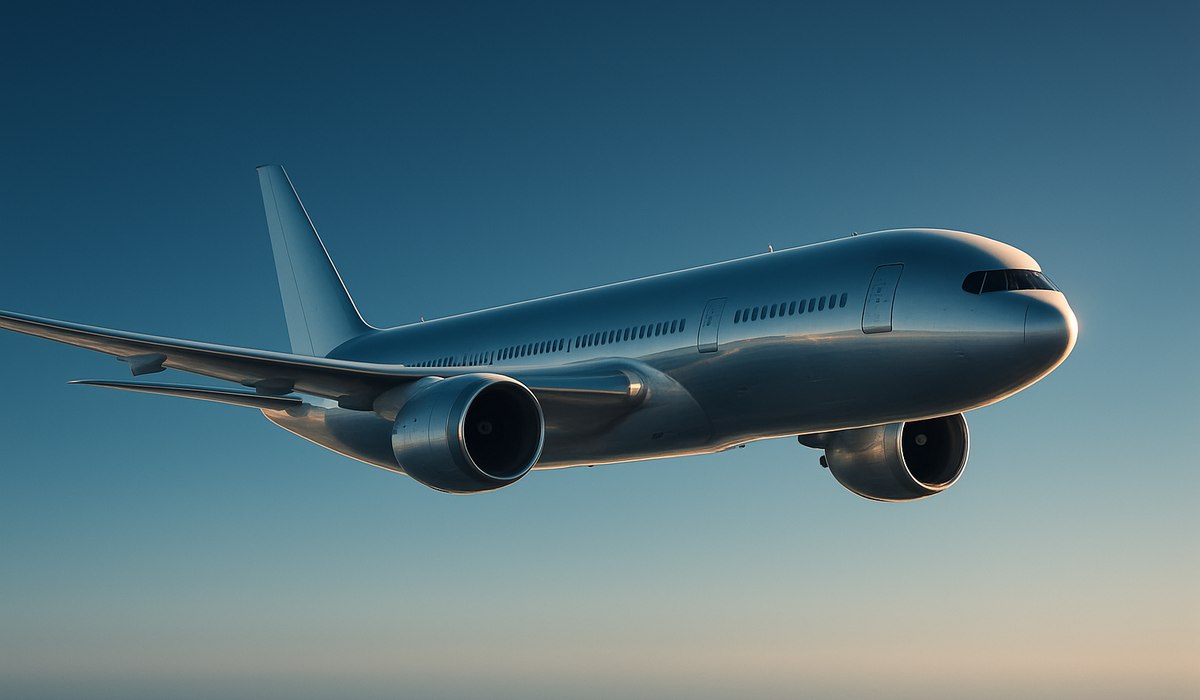
Image generated by AI
Boeing 777X Represents Major Widebody Evolution Milestone
The Boeing 777X marks a transformational moment in commercial aviation, substantially larger than the outgoing 777-300ER and signaling a generational shift in widebody aircraft design. Boeing's newest flagship twin-engine aircraft represents one of the most significant leaps in widebody aviation since the early 2000s, reflecting decades of engineering innovation and passenger-centric improvements. This evolution demonstrates how manufacturers continue optimizing fuel efficiency, cabin comfort, and operational economics on long-haul international routes.
The transition from 777-300ER to 777X reflects industry-wide momentum toward more efficient, higher-capacity aircraft. Airlines worldwide are evaluating fleet modernization strategies, with many prioritizing the 777X for premium international operations. The size differential between these two aircraft matters significantly for route planning, airport infrastructure requirements, and passenger experience considerations.
Dimensional Comparison: 777X vs 777-300ER
The Boeing 777X 300ER surpasses its predecessor across multiple critical measurements. The 777-9 variant stretches 251 feet 9 inches in total length, compared to the 777-300ER's 242 feet 4 inches, creating an additional 9 feet 5 inches of fuselage. This extended length permits greater cargo volume and additional seating configurations for premium cabin products.
Wingspan represents another substantial difference. The 777X features a folding wing design reaching 212 feet, dramatically broader than the 777-300ER's 212-foot span, enabling superior aerodynamic efficiency. The fold-wing innovation allows gate compatibility at most international airports despite the increased overall dimensions.
Cabin width expands to 20 feet 1 inch on the 777X, matching 777-300ER dimensions but accommodating improved interior arrangements. Maximum takeoff weight climbs to 987,000 pounds versus 775,000 pounds on the predecessor, reflecting strengthened structure and more powerful General Electric GE9X engines delivering 470,000 pounds combined thrust.
The fuselage cross-section enables 10-abreast seating versus traditional 3-3-3 configurations, fundamentally changing economics for high-density routes across Asia-Pacific and Middle Eastern carriers.
Engineering Innovations Behind the Size Increase
Boeing engineers incorporated advanced materials throughout the 777X structure, with composite fuselage elements reducing weight despite increased dimensions. Carbon fiber-reinforced plastic components comprise approximately 13 percent of the airframe, compared to minimal composite use on older widebody platforms.
The GE9X powerplant represents cutting-edge turbofan technology, featuring a 134-inch-diameter fan—the largest ever fitted to a commercial jet. These engines deliver 15-percent fuel burn reductions compared to 777-300ER Rolls-Royce Trent 800 engines, translating to substantial operating cost savings across long-haul networks.
Advanced avionics integration reduces pilot workload while improving safety margins. The flight deck incorporates touchscreen displays, synthetic vision systems, and enhanced weather radar capabilities surpassing previous-generation equipment. Laminar flow wing design reduces aerodynamic drag, contributing to superior cruise efficiency at Mach 0.84 operating speeds.
Noise suppression innovations help the 777X meet increasingly stringent airport environmental regulations. Chevron nozzles and nacelle treatments reduce community noise exposure, facilitating operations at noise-sensitive European and Asian airports with strict curfew restrictions.
Operational Advantages of the Larger Aircraft
Airlines operating the Boeing 777X benefit from enhanced payload-range economics enabling nonstop service on ultra-long-haul routes. The increased cabin volume supports higher revenue passenger-kilometer generation without additional flight crew or fuel burn penalties per seat.
The 777X accommodates premium cabin flexibility with configurations ranging from 326 seats (3-class) to 426 seats (high-density), depending on market requirements. This modularity permits carriers to optimize route-specific economics without fleet commonality sacrifice.
Extended range capabilities reaching 7,285 nautical miles enable new city-pair combinations previously requiring fuel stops or larger aircraft. Airlines can operate daily 17-18-hour flights connecting Americas, Europe, and Asia-Pacific regions with superior fuel economics compared to earlier widebody generations.
Reduced pilot training requirements enhance crew efficiency. Boeing's training compatibility standards minimize simulator time and recurrent education costs for crews transitioning from 777-300ER operations. This operational continuity reduces airline transition expenses during fleet modernization.
Industry Impact and Timeline for 777-300ER Retirement
The 777-300ER remains in production through 2026 as carriers finalize 777X delivery schedules and cabin configuration selections. However, new aircraft orders increasingly favor the newer platform, signaling accelerated passenger retirement timelines for existing 777-300ER fleets.
Airlines including Singapore Airlines, Cathay Pacific, and Lufthansa have committed substantial orders for the 777X, positioning the aircraft as the preferred widebody platform for the 2026-2035 operating environment. Secondary market demand for used 777-300ER aircraft should remain stable as legacy carriers and leasing companies establish value propositions around proven reliability.
Airport infrastructure modernization projects worldwide reflect anticipated 777X operations. Gate extensions, taxiway reinforcement, and terminal apron expansions align with larger aircraft dimensions and maximum takeoff weights. These capital investments demonstrate aviation industry confidence in 777X economic viability.
The competitive landscape includes Airbus A350-1000 platforms and future ultra-wide-body aircraft designs. Boeing's engineering approach emphasizes evolutionary improvement rather than revolutionary redesign, preserving supply chain efficiency and airline familiarity.
Key Facts: 777X vs 777-300ER Specifications
| Specification | 777X | 777-300ER | Difference |
|---|---|---|---|
| Overall Length | 251 ft 9 in | 242 ft 4 in | +9 ft 5 in |
| Fuselage Length | 226 ft 8 in | 217 ft 3 in | +9 ft 5 in |
| Cabin Width | 20 ft 1 in | 20 ft 1 in | Equal |
| Maximum Takeoff Weight | 987,000 lbs | 775,000 lbs | +212,000 lbs |
| Range Capability | 7,285 nm | 7,590 nm | Optimized for payload |
| Seating Capacity | 426 max (high-density) | 365 max | +61 seats |
| Engine Type | GE9X | Rolls-Royce Trent 800 | More powerful thrust |
| Fuel Burn Reduction | 15% improvement | Baseline | Superior efficiency |
What This Means for Travelers
The larger 777X impacts passenger experience across multiple dimensions. Enhanced cabin dimensions create more spacious lavatories and galleys, improving comfort on 15-18-hour flights. Premium cabin configurations benefit from increased direct aisle access and expanded business-class suites.
Travelers booking future long-haul flights should expect 777X availability on premium routes beginning 2026-2027. Airlines will showcase this aircraft on flagship routes, offering superior in-flight amenities and reliability. Secondary benefits include improved on-time performance as newer aircraft require less maintenance downtime.
Here are actionable steps for optimizing your 777X travel experience:
-
Request 777X-specific flights when booking long-haul premium cabin reservations for superior comfort.
-
Monitor airline websites for 777X deployment announcements on your preferred international routes.
-
Utilize seat map tools to identify premium cabin configurations with enhanced spacing and direct aisle access.
-
Consider aircraft type when evaluating frequent flyer award bookings, as 777
Disclaimer
This article is for informational and educational purposes only. It does not constitute legal, financial, or professional advice. While we strive to provide accurate and up-to-date information, travel policies, regulations, and conditions change rapidly. Always verify information with official sources before making travel decisions. Nomad Lawyer makes no representations about the accuracy, reliability, completeness, or suitability of the information provided. Readers should consult qualified professionals for advice specific to their circumstances. The views expressed in this article are those of the author and do not necessarily reflect the views of Nomad Lawyer.
Kunal K Choudhary
Co-Founder & Contributor
A passionate traveller and tech enthusiast. Kunal contributes to the vision and growth of Nomad Lawyer, bringing fresh perspectives and driving the community forward.
Learn more about our team →