
Boeing 777X 300ER: New Widebody Aircraft Dimensions Explained
Boeing's 777X 300ER marks a generational leap in widebody aircraft design in 2026, delivering substantially larger capacity and efficiency gains over the legacy 777-300ER. Here's what changed.

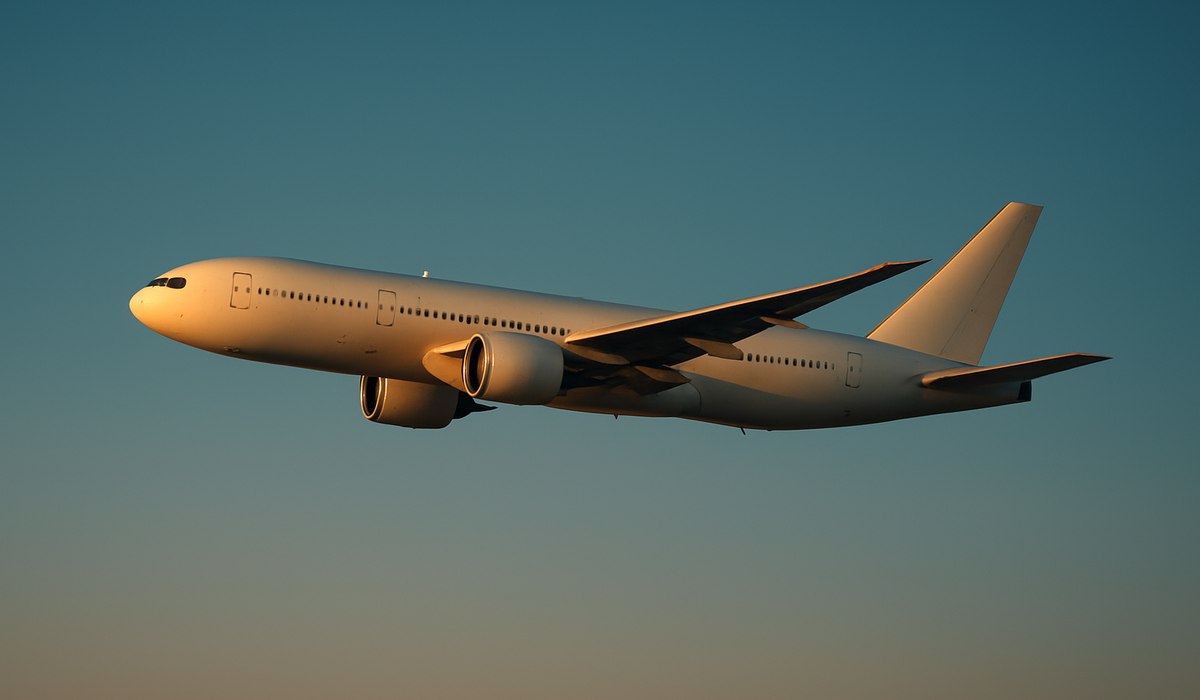
Image generated by AI
The Boeing 777X Represents Aviation's Most Significant Widebody Advancement This Century
The Boeing 777X marks a transformational moment in long-haul aviation, delivering substantially larger capacity and revolutionary efficiency standards compared to the legacy 777-300ER. This next-generation widebody aircraft fundamentally reshapes how carriers operate twin-engine routes across intercontinental networks. The 777-9 variant, the primary member of the 777X family, introduces dimensional and technological enhancements that position Boeing at the forefront of modern aircraft design. Airlines worldwide are preparing for deployment throughout 2026 and beyond, signaling a decisive shift in how the industry balances passenger capacity with operational economics.
Physical Dimensions: How Much Larger Is The Boeing 777X?
The Boeing 777X 300ER comparison reveals substantial physical differences that translate directly to passenger capacity and cargo capability. The 777-9 measures 251 feet 9 inches in length—approximately 10 feet longer than the 777-300ER's 242-foot fuselage. Cabin width expands to 209.1 inches in the 777X, compared to the 777-300ER's standard single-deck width, enabling airline flexibility for both standard and ultra-high-density configurations.
Maximum payload capacity increases to 134,600 pounds, substantially exceeding the 777-300ER's operational limits. The expanded dimensions permit airlines to reconfigure cargo-passenger combinations without sacrificing range or fuel efficiency. This dimensional evolution directly addresses industry demand for higher-capacity aircraft on premium intercontinental routes. Wingspan technology innovations further enhance aerodynamic efficiency, reducing fuel consumption per available seat mile compared to earlier widebody generations.
Engineering Innovations Behind The Extended Design
Boeing's 777X incorporates revolutionary manufacturing and materials science that enable its expanded capacity while maintaining operational efficiency. Advanced composite construction reduces structural weight by 12-15% compared to previous aluminum-dominant designs. The aircraft's laminar flow wing technology minimizes drag during cruise phases, directly contributing to fuel savings across 13-16 hour mission profiles.
The 777X features enhanced engine options from Rolls-Royce and General Electric, generating 105,000 to 110,000 pounds of thrust per twin-engine configuration. These powerplants deliver superior fuel efficiency metrics while accommodating the aircraft's increased maximum takeoff weight of 775,000 pounds. Digital cockpit systems and advanced avionics reduce pilot workload while improving situational awareness during complex international operations. Boeing's folding wingtip design—a distinctive 777X feature—enables gate compatibility at most existing terminals despite the aircraft's expanded 212-foot maximum wingspan. This engineering compromise balances operational flexibility with the dimensional advantages that define the widebody evolution of 2026.
Impact On Airlines And Passenger Experience
Global carriers including Singapore Airlines, ANA, and Japan Airlines have committed to 777X deployments, recognizing competitive advantages in high-capacity operations. Airlines can increase seat counts from the traditional 300-350 (777-300ER) to 400-425 configurations, distributing per-passenger economics across larger capacity bases. Premium cabin passengers benefit from enhanced lavatory access, galley improvements, and advanced IFE systems optimized for the expanded fuselage.
Economy class passengers experience wider-body comfort on premium routes, with some carriers implementing 10-abreast seating in high-density configurations. The expanded cargo hold capacity—increasing to 1,700 cubic feet—enables carriers to optimize revenue through balanced passenger-cargo loading. Extended range capabilities (up to 7,595 nautical miles) open new nonstop routes from Asian hubs to secondary European markets, reducing connection requirements. Flight crew experiences improved ergonomics in redesigned cockpit spaces, while ground operations benefit from fuel-efficient taxi procedures that reduce airport congestion during peak periods.
Timeline For Boeing 777X Deployment And Industry Adoption
First commercial operations commenced in early 2026 following comprehensive certification and testing protocols. Initial 777X 300ER deliveries concentrated on Asia-Pacific carriers operating high-traffic intercontinental networks. North American and European carriers anticipated 777X integration throughout 2026-2027, with fleet modernization programs targeting replacement of aging widebody aircraft from the 2000s era.
Boeing's order backlog exceeded 350 aircraft as of April 2026, reflecting sustained industry confidence in the 777X's competitive positioning. Airlines strategically phased deliveries to align with route network optimization and crew training completions. The transition from 777-300ER to 777X operations required pilot type-rating modifications and maintenance personnel recertification, creating demand for specialized training programs worldwide. Delivery schedules extended through 2030, with production rates gradually increasing as supply chain capabilities matured. This measured deployment timeline balanced manufacturing capacity constraints with airline operational readiness requirements.
Key Comparative Specifications
| Specification | Boeing 777-300ER | Boeing 777X-9 | Difference |
|---|---|---|---|
| Overall Length | 242 ft 4 in | 251 ft 9 in | +9 ft 5 in |
| Fuselage Diameter | 20 ft 7 in | 20 ft 8 in | +1 in (cabin width increase) |
| Maximum Wingspan | 212 ft 7 in | 212 ft (folded) | Folding technology for gate compatibility |
| Typical Seating | 300-330 seats | 400-425 seats | +100-95 seat capacity |
| Maximum Takeoff Weight | 775,000 lbs | 775,000 lbs | Optimized weight distribution |
| Fuel Capacity | 45,220 US gal | 46,430 US gal | Enhanced range capability |
| Range | 7,065 nm | 7,595 nm | +530 nm additional range |
What This Means For Travelers
Passengers choosing 777X-equipped carriers enjoy measurable operational and comfort advantages:
-
Increased nonstop connectivity: The 777X's 530-nautical-mile range extension opens new direct routes from secondary hubs, reducing connection requirements on international itineraries.
-
Improved cabin availability: Carriers deploying 777X aircraft on premium routes typically upgrade IFE systems and lavatory infrastructure, enhancing long-haul comfort.
-
Competitive airfare dynamics: Increased seat capacity per 777X flight reduces per-passenger operating costs, potentially moderating premium cabin pricing on heavily competitive routes.
-
Enhanced cargo integration: Passengers traveling with checked baggage benefit from expanded hold capacity, reducing overbooking incidents during peak travel periods.
-
Better crew comfort levels: Flight attendants operate from improved galley configurations and rest areas designed into the expanded fuselage, potentially enhancing service consistency.
-
Network optimization: Watch for carriers announcing new 777X route launches in 2026-2027, particularly on Asia-North America and Asia-Europe corridors where capacity economics prove most favorable.
Frequently Asked Questions
When will the Boeing 777X arrive at my airline?
First commercial 777X operations began in early 2026 with Asia-Pacific carriers. North American and European airlines typically receive deliveries throughout 2026-2027, depending on their position in Boeing's production queue. Contact your airline's booking channels for specific 777X route information.
How does the Boeing 777X compare to the Airbus A350?
The 777X seats 10-15% more passengers than the Airbus A350-1000 while maintaining similar fuel efficiency. The 777X's folding wingtip design provides gate compatibility advantages the A350 lacks. Both aircraft compete effectively on different route economics and carrier network requirements.
Will my airline upgrade my existing 777-300ER flights to 777X operations?
Disclaimer
This article is for informational and educational purposes only. It does not constitute legal, financial, or professional advice. While we strive to provide accurate and up-to-date information, travel policies, regulations, and conditions change rapidly. Always verify information with official sources before making travel decisions. Nomad Lawyer makes no representations about the accuracy, reliability, completeness, or suitability of the information provided. Readers should consult qualified professionals for advice specific to their circumstances. The views expressed in this article are those of the author and do not necessarily reflect the views of Nomad Lawyer.
Preeti Gunjan
Contributor & Community Manager
A passionate traveller and community builder. Preeti helps grow the Nomad Lawyer community, fostering engagement and bringing the reader experience to life.
Learn more about our team →