
Best Time to Visit North Vietnam 2026: Seasonal Guide for Hanoi, Sapa, and Ninh Binh
Understanding the seasonal windows of North Vietnam is crucial for 2026 travel; the peak periods of March-April and September-November offer the best balance of weather and scenery.

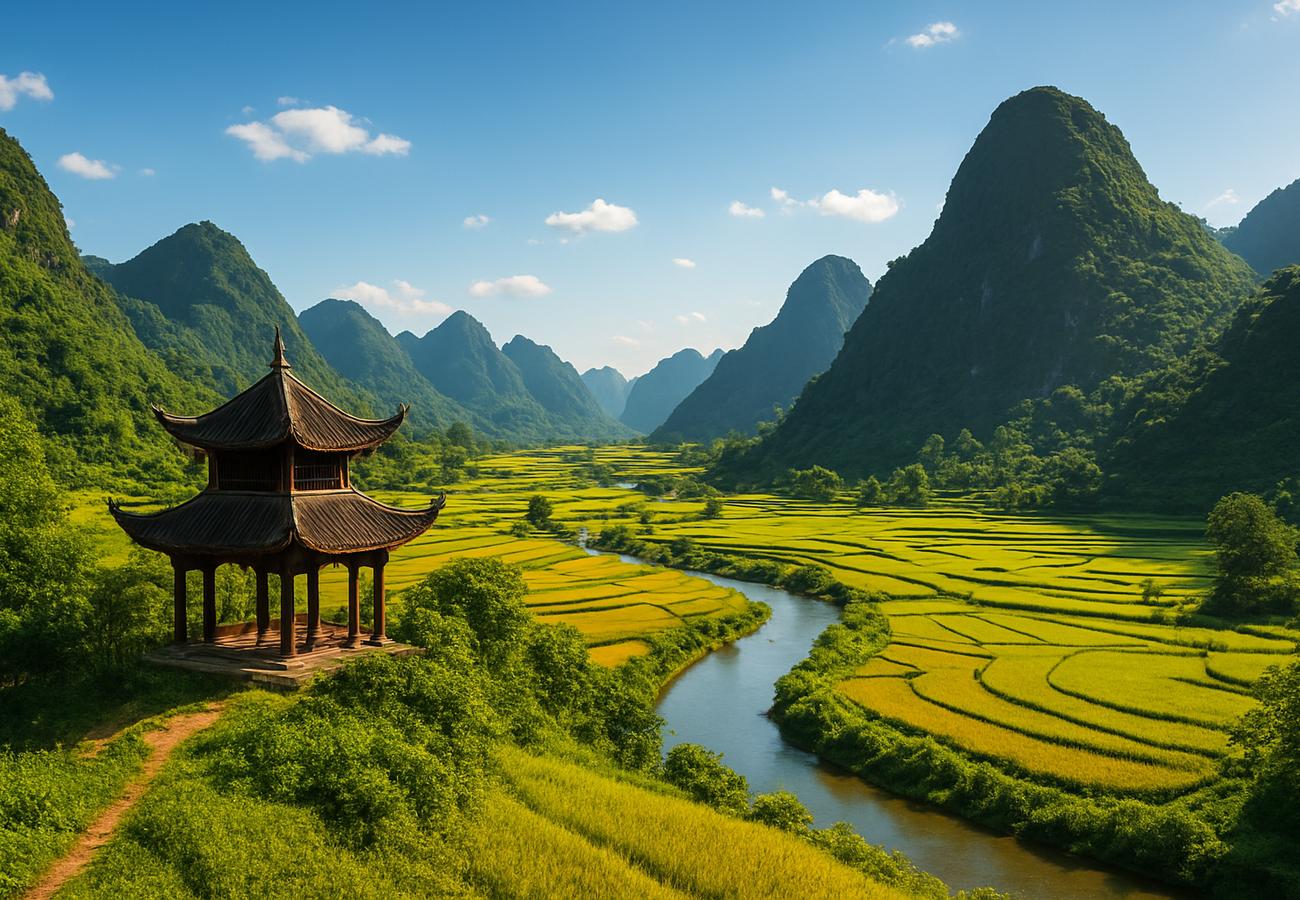
Image generated by AI
Quick Summary
- Peak Windows: The optimal periods for visiting North Vietnam are March to April (Spring) and September to November (Autumn).
- Climate System: Driven by tropical monsoons, the region experiences a sharp division between hot/humid summers and cool/dry winters.
- Scenic Highlights: Autumn is characterized by the golden rice terraces in mountainous regions, while Spring features blooming floral landscapes.
- Winter Conditions: From December to February, high-altitude areas like Sapa experience misty, fog-laden conditions and notable temperature drops.
- Monsoon Risks: The period from May to August brings heavy rainfall, high humidity, and potential travel disruptions such as landslides in mountainous routes.
The tropical monsoon climate of North Vietnam serves as the primary architect of the region's tourism experience in 2026. For international travelers navigating destinations like Hanoi, Sapa, and Ninh Binh, identifying the correct travel window is a decisive factor in determining travel satisfaction and itinerary efficiency. The region's weather patterns are not static; they oscillate between extreme humidity and rainfall during the summer months to cold, atmospheric mists in the winter. As global travel behavior increasingly synchronizes with these climate cycles, the "shoulder seasons" of spring and autumn have emerged as the gold standard for exploration. These periods provide the necessary atmospheric clarity for trekking the northern highlands and the temperature stability required for cultural immersion in the lowlands. By aligning visits with these favorable windows, travelers not only optimize their scenic visibility but also contribute to a more balanced and sustainable distribution of tourism across the Vietnamese landscape.
North Vietnam Seasonal Travel Conditions: Weather and Scenic Highlights
The following table summarizes the travel characteristics and regional impacts of the four distinct seasons in North Vietnam.
| Season | Timeframe | Weather Characteristics | Regional Scenic Highlights | Travel Conditions |
|---|---|---|---|---|
| Spring | March – April | Mild temps, stable skies | Blooming flowers, vibrant valleys | Optimal - Excellent for trekking |
| Monsoon | May – August | Heavy rain, high humidity | Lush green hills, waterfalls | Challenging - Potential disruptions |
| Autumn | Sept – Nov | Clear skies, cool breezes | Golden Rice Terraces | Peak - Most scenic visibility |
| Winter | Dec – Feb | Cold, misty, fog-laden | Atmospheric mists, frost in Sapa | Moderate - Limited visibility |
Optimal Travel Windows: Why Spring and Autumn are Peak Choice
These two windows offer the most balanced combination of comfort and natural beauty:
- March to April: This period is associated with floral landscapes and moderate temperatures that are ideal for outdoor comfort across both the lowlands of Ninh Binh and the peaks of Sapa.
- September to November: Often regarded as the most scenic time of the year, autumn provides the atmospheric clarity needed to view the iconic golden rice harvests. The stable weather conditions during this time minimize travel delays.
Winter Dynamics: Misty Landscapes and Cold High-Altitude Treks
From December to February, the region takes on a more contemplative character:
- Temperature Shifts: High-altitude regions like Sapa can experience significant temperature drops, occasionally nearing freezing levels.
- Atmospheric Appeal: While fog and mist can limit visibility for long-range photography, they enhance the "mystical" visual appeal of the northern mountains.
- Lowland Comfort: Cities like Hanoi remain cool and dry, making it a preferred time for cultural travelers who wish to avoid the tropical heat.
The Monsoon Challenge: Navigating Humidity and Rain from May to August
The summer monsoon is the most volatile period for the travel industry:
- Rainfall Intensity: Heavy downpours can lead to slippery roads and landslides, particularly on the routes to Sapa and Ha Giang.
- Lush Environment: Conversely, the rain transforms the region into a vibrant, lush green environment, offering a dramatically different aesthetic for nature enthusiasts.
- Mobility Issues: Travelers should expect intermittent disruptions to transportation networks and limited visibility in coastal areas.
Destination Specifics: Hanoi vs. Sapa Climate Variations
Geographical contrast plays a major role in weather behavior:
- Lowlands (Hanoi/Ninh Binh): Experience relatively moderate seasonal changes with higher humidity levels during the monsoon.
- Highlands (Sapa/Ha Giang): Weather can change rapidly within a single day. The "four seasons in one day" phenomenon is common during the spring and autumn transitions.
Economic Impact: How Seasonal Cycles Shape the Vietnamese Travel Industry
The travel industry adapts to these predictable weather cycles to maintain sustainability:
- Demand Pressure: During the spring and autumn peaks, accommodation providers operate at near-maximum occupancy, and transportation networks experience high demand.
- Flexible Pricing: Tourism stakeholders use off-peak (monsoon) periods to offer targeted promotions and flexible pricing, helping to stabilize visitor inflow year-round.
- Service Optimization: Peak seasons contribute significantly to regional economic activity, supporting local guided tours and hospitality employment opportunities.
FAQ: Best Time to Visit North Vietnam 2026
When can I see the golden rice terraces in Sapa? The best time to witness the golden harvest is from late September to early October.
Is it too cold to visit Sapa in January? January is the coldest month, with temperatures often dropping below 10°C. It is suitable for cultural visits but requires heavy winter gear for trekking.
Does it rain every day during the monsoon season? Not necessarily, but heavy, intermittent tropical downpours are frequent, often occurring in the late afternoon or evening.
Related Travel Guides
Disclaimer
This article is for informational and educational purposes only. It does not constitute legal, financial, or professional advice. While we strive to provide accurate and up-to-date information, travel policies, regulations, and conditions change rapidly. Always verify information with official sources before making travel decisions. Nomad Lawyer makes no representations about the accuracy, reliability, completeness, or suitability of the information provided. Readers should consult qualified professionals for advice specific to their circumstances. The views expressed in this article are those of the author and do not necessarily reflect the views of Nomad Lawyer.
Kunal K Choudhary
Co-Founder & Contributor
A passionate traveller and tech enthusiast. Kunal contributes to the vision and growth of Nomad Lawyer, bringing fresh perspectives and driving the community forward.
Learn more about our team →