
Exploring Karaköy Istanbul 2026: A Guide to Galataport, Istanbul Modern and Bosphorus Waterfronts
Discover the transformation of Karaköy from a gritty port to Istanbul's premier cultural hub, featuring the 400,000 square metre Galataport and the Renzo Piano-designed Istanbul Modern.

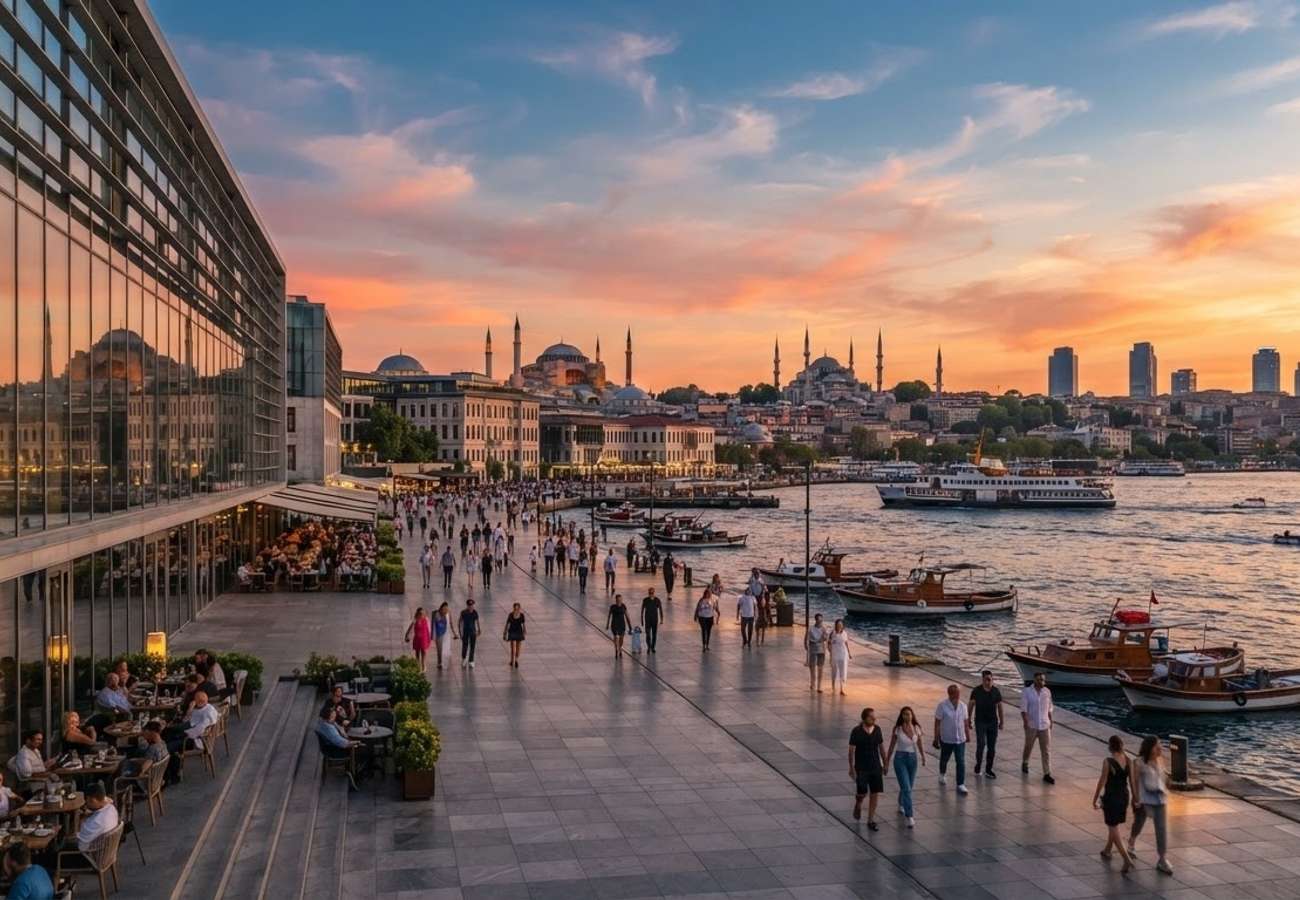
Image generated by AI
Istanbul's Karaköy district has evolved from a utilitarian shipping hub into a sophisticated cultural epicenter, anchored by the massive 400,000 square metre Galataport redevelopment. This compact neighborhood on the European side of the Bosphorus now blends high-end architecture, world-class art, and a thriving third-wave coffee scene, making it a primary destination for 2026 travelers.
Navigating the Galataport Waterfront and Urban Layout
Karaköy is strategically positioned at the mouth of the Golden Horn, serving as the bridge between the historic Sultanahmet peninsula and the trendy heights of Beyoğlu and Galata. For the modern visitor, the area is defined by Galataport, a sprawling mixed-use project that has reclaimed approximately 1.2 kilometres of shoreline previously restricted by port security and industrial fencing.
This redevelopment has fundamentally changed how tourists interact with the Bosphorus. The promenade now hosts roughly 250 dining and retail establishments, seamlessly integrating a cruise terminal that operates primarily underground to maintain a public, park-like atmosphere. Visitors can walk uninterrupted from the Karaköy ferry piers, past the luxury Peninsula Istanbul hotel, toward Tophane and Fındıklı.
For those planning a visit, allocating at least half a day is recommended. A typical itinerary often begins in the late morning with lunch in the heart of Karaköy, followed by an afternoon exploring the Istanbul Modern and the galleries of Tophane, concluding with a sunset stroll toward the Galata Bridge. Accessibility is high via the T1 tram line, with the Karaköy and Tophane stops providing easy entry points.
Travelers should be mindful of the terrain; while the area is walkable, the combination of historic cobblestones and summer humidity can be taxing. In July and August, the exposed promenade can reach high temperatures, making late-afternoon walks more sustainable than midday excursions.
Bosphorus Vistas and the Galata Bridge Experience
The walk from the Galata Bridge toward the southern waterfront offers one of the most striking visual contrasts in Istanbul. On the upper deck of the bridge, traditional fishermen line the railings, while the skyline provides a simultaneous view of the New Mosque’s ancient domes and the glass skyscrapers of the city's financial district.
As the path transitions from the working ferry docks to the polished surfaces of Galataport, the energy shifts. On summer evenings, the promenade becomes a social hub where local families and professionals gather with traditional tulip-shaped tea glasses. While Galataport maintains a controlled environment, the areas closer to the bridge often feature street musicians and a more organic urban vibe.
Timing the waterfront walk for the "golden hour" is highly recommended. The low angle of the sun illuminates the stone facades of the historic peninsula and highlights the ferries crossing the Bosphorus. A direct walk from the bridge to the edge of Galataport takes approximately 20 to 25 minutes, though most visitors spend over an hour incorporating photography and coffee breaks.
For a more immersive experience, taking a municipal ferry from the Karaköy pier for a short round-trip to Üsküdar or Kadıköy provides an affordable way to view the city's architecture from the water.
Architectural Landmarks and the New Istanbul Modern
The cultural landscape of Karaköy was permanently altered in May 2023 with the reopening of the Istanbul Museum of Modern Art. Designed by renowned architect Renzo Piano, the museum is a luminous structure of glass and metal that mirrors the light of the Bosphorus. The facility houses a comprehensive collection of Turkish and international contemporary art, alongside rotating photography exhibitions.
Visitors should budget at least two hours to explore the galleries and the museum shop. A standout feature is the upper terrace, which utilizes a shallow reflection pool to create a visual mirror of the skyline and the sea.
Moving slightly inland, the Tophane quarter offers a grittier, more historic contrast. Once the site of the Ottoman Empire’s artillery foundry (the word Tophane literally meaning "cannonhouse"), the area now hosts the Tophane-i Amire Culture and Art Center. This venue utilizes high vaulted halls for temporary installations and student exhibitions. The surrounding streets are a mix of traditional hardware stores and emerging design studios, signaling the area's ongoing gentrification.
For those seeking spiritual architecture, the Kılıç Ali Pasha Mosque is a must-visit. Constructed in the late 16th century by Mimar Sinan for an Ottoman admiral, the mosque is noted for its elegant single dome. The adjacent hamam provides a high-end traditional Turkish bath experience, though it commands a premium price compared to more local establishments.
Exploring Backstreet Culture and Urban Art
Beyond the polished facade of the waterfront, the interior streets of Karaköy retain a vibrant, eclectic personality. Lanes such as Kemankeş Karamustafa Paşa are characterized by a blend of electrical supply shops, boutique hotels, and a dense concentration of cafés.
Karaköy has become the epicenter of Istanbul's third-wave coffee movement. Establishments like Karabatak and other specialty roasters are landmarks for those seeking precision-brewed coffee and latte art. These cafés often blend raw industrial aesthetics—such as exposed brick—with vintage furnishings. While prices are slightly higher than in residential neighborhoods, they remain accessible for the average traveler.
The district is also a living gallery of street art. Large-scale murals adorn the sides of old warehouses, while smaller, more intimate pieces are tucked into alleyways. Because much of this art is ephemeral and frequently painted over, the visual landscape of the neighborhood is constantly evolving. To capture the best photos of art on shop shutters, early morning visits are advised before businesses open for the day.
Karaköy remains a functional working district. Even amidst the luxury of Galataport, visitors will encounter delivery vans and port workers, providing a grounded sense of the city's ongoing commercial life.
Why This Matters for the Modern Traveler For the visitor, the transformation of Karaköy represents a shift in Istanbul's tourism geography. Rather than spending the entire trip in the crowded museums of Sultanahmet, travelers can now find a sophisticated blend of luxury, art, and authenticity in one walkable district. From a logistical standpoint, the integration of the underground cruise terminal means that even during peak cruise seasons, the pedestrian experience remains fluid and unobstructed. For the "digital nomad" or slow traveler, the concentration of high-quality coffee shops and galleries makes this the ideal neighborhood for a home base.
A perfect blend of Ottoman history and 21st-century luxury, Karaköy is now the heartbeat of the Bosphorus.
Related Travel Guides
Disclaimer
This article is for informational and educational purposes only. It does not constitute legal, financial, or professional advice. While we strive to provide accurate and up-to-date information, travel policies, regulations, and conditions change rapidly. Always verify information with official sources before making travel decisions. Nomad Lawyer makes no representations about the accuracy, reliability, completeness, or suitability of the information provided. Readers should consult qualified professionals for advice specific to their circumstances. The views expressed in this article are those of the author and do not necessarily reflect the views of Nomad Lawyer.
Kunal K Choudhary
Co-Founder & Contributor
A passionate traveller and tech enthusiast. Kunal contributes to the vision and growth of Nomad Lawyer, bringing fresh perspectives and driving the community forward.
Learn more about our team →