
Wisconsin Tourism Surge 2026: International Visitors Drive $27 Billion Economic Impact via Great Lakes
Wisconsin records 117.9 million visits in 2025, generating $27 billion in economic impact as international travelers pivot toward authentic Midwest nature and cultural experiences.

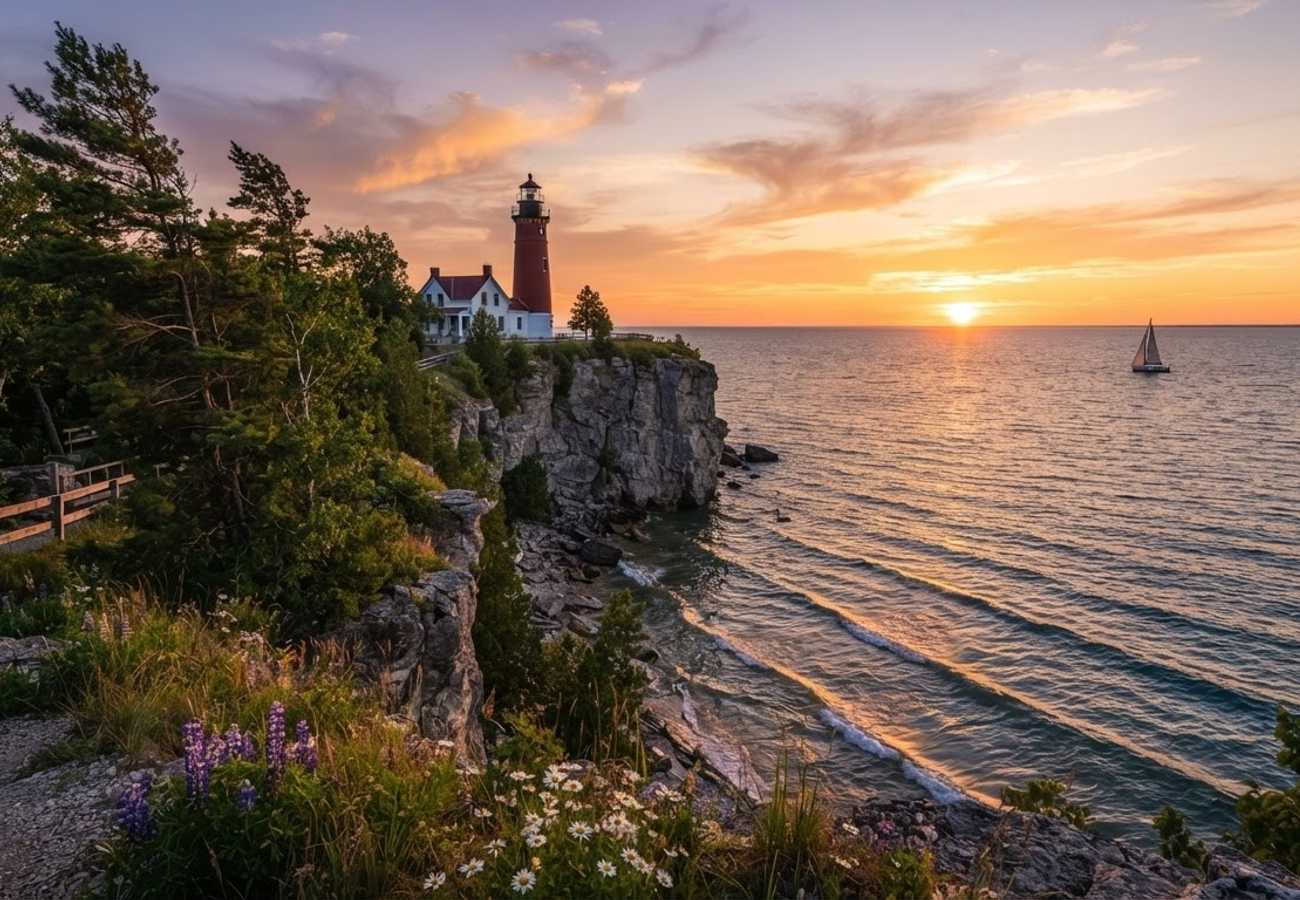
Image generated by AI
Wisconsin is transitioning from a regional getaway to a global destination, recording 117.9 million visits in 2025 and generating approximately $27 billion in tourism economic impact.
State Tourism Performance and Economic Metrics
Our analysis of recent data from the Wisconsin Department of Tourism indicates a significant shift in visitor demographics. While domestic travel remains the primary driver, there is a measurable increase in international arrivals seeking "authentic" American experiences outside of traditional coastal hubs.
The economic scale of this growth is substantial. The $27 billion impact reflects a strategic pivot toward destination marketing that emphasizes the state's unique geography—specifically the Great Lakes region—and its specialized cultural exports.
Regional Impact Breakdown
The disruption of traditional travel patterns has led to concentrated growth in specific Wisconsin hubs:
- The Great Lakes Corridor: Lake Michigan and Lake Superior shores are seeing increased traffic, specifically in Door County, where coastal routes and lighthouses attract year-round international visitors.
- Adventure Hubs: The Northwoods and Wisconsin Dells continue to dominate the family and wilderness sectors, with a rise in nature-based holidays.
- Urban Centers:
- Milwaukee: High demand for brewery tours, museums, and lakefront festivals.
- Madison: Growth in university-driven cultural tourism and government landmark visits.
- Green Bay: A primary node for sports tourism, leveraging the city's global football heritage.
- Specialized Events: EAA AirVenture in Oshkosh remains a critical international draw, functioning as one of the world's largest aviation gatherings.
Passenger Rights & Advisory for International Visitors
For the international traveler planning a journey to the American Midwest, navigating the logistics of a non-hub destination requires specific considerations. Our analysis of current travel frameworks suggests the following:
Transport and Rebooking Rights Most international visitors arrive via major hubs like Chicago (ORD) or Minneapolis (MSP) before transitioning to Wisconsin. For those flying into the US:
- Flight Disruptions: If your flight is canceled or significantly delayed, US Department of Transportation (DOT) guidelines require airlines to provide a full refund if the passenger chooses not to travel.
- Rebooking: Unlike EU261/2004, US regulations do not mandate fixed monetary compensation for delays; however, most major carriers will rebook you on the next available flight at no extra cost.
Rental Car and Transit Logistics Wisconsin's primary attractions (Door County, Northwoods) are not easily accessible via public transit.
- Advisory: International drivers should ensure they possess a valid International Driving Permit (IDP) alongside their national license to avoid rental disputes.
- Insurance: We strongly suggest comprehensive collision damage waivers (CDW) for rural travel in the Northwoods, where wildlife-related accidents are statistically more frequent.
Industry Analyst View
The rise of Wisconsin as a global destination is a symptom of a broader "de-urbanization" trend in 2026 travel. Global explorers are increasingly avoiding overcrowded "bucket list" cities in favor of "slow travel" and meaningful community connections.
Wisconsin's success lies in its diversified offering. By combining high-energy urban centers (Milwaukee) with extreme seclusion (The Northwoods) and niche global events (EAA AirVenture), the state has created a resilient tourism ecosystem that does not rely on a single attraction. The integration of food tourism—specifically the dairy and craft brewery sectors—further cements its appeal to the high-spending "culinary tourist" demographic.
The Midwest is no longer a fly-over region; it is a primary destination.
Related Travel Guides
Disclaimer
This article is for informational and educational purposes only. It does not constitute legal, financial, or professional advice. While we strive to provide accurate and up-to-date information, travel policies, regulations, and conditions change rapidly. Always verify information with official sources before making travel decisions. Nomad Lawyer makes no representations about the accuracy, reliability, completeness, or suitability of the information provided. Readers should consult qualified professionals for advice specific to their circumstances. The views expressed in this article are those of the author and do not necessarily reflect the views of Nomad Lawyer.
Preeti Gunjan
Contributor & Community Manager
A passionate traveller and community builder. Preeti helps grow the Nomad Lawyer community, fostering engagement and bringing the reader experience to life.
Learn more about our team →