
Bengaluru Outlets Host Onam Sadhya Feast with 32 Kerala Specialties
The Filter Coffee outlets in Bengaluru will host a special two-day Onam Sadhya celebration featuring 32 traditional Kerala vegetarian dishes in August 2026.

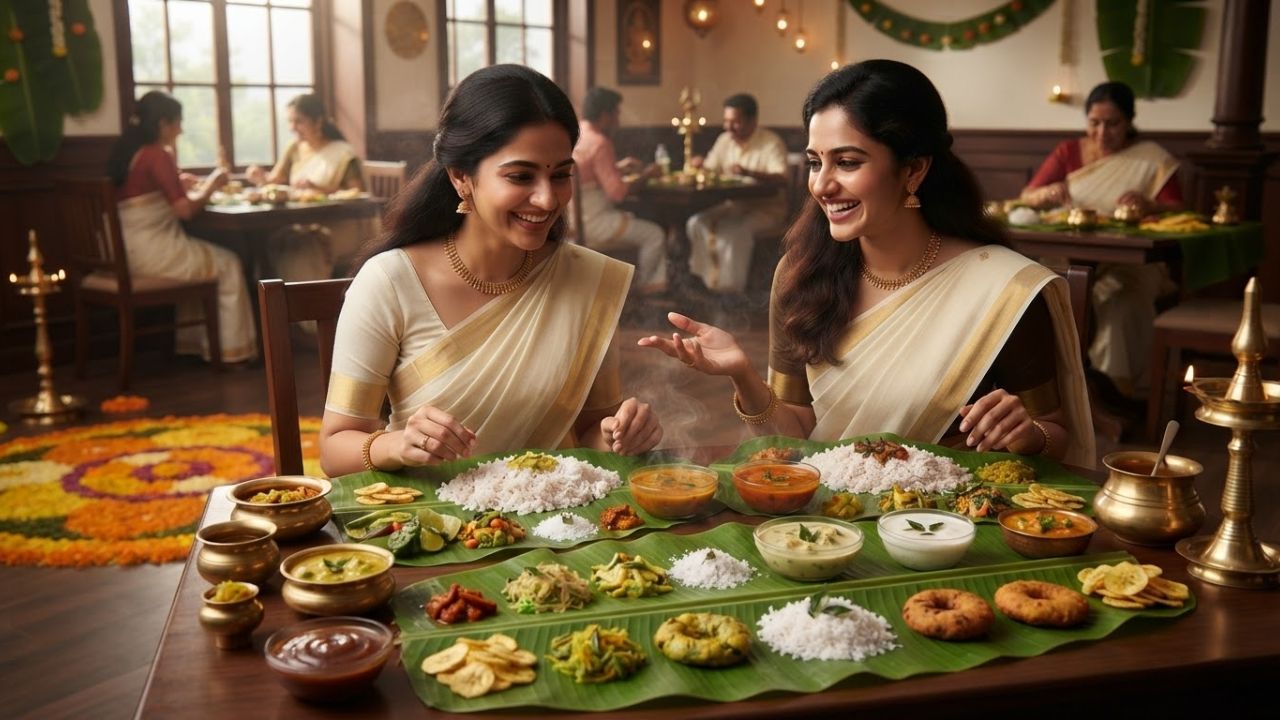
Image generated by AI
The Filter Coffee outlets in Bengaluru will host a special Onam Sadhya celebration from 26 August to 27 August 2026, offering diners a traditional banana leaf lunch featuring 32 authentic vegetarian dishes. For the first time at these popular regional restaurants, the culinary team will serve a curated menu based on ancestral Kerala recipes and regional heritage snacks. The two-day culinary event offers food enthusiasts a unique opportunity to experience the diverse culinary traditions of southwest India without leaving the Karnataka state capital.
The Local Trend: Cultural Gastronomy and Festive Dining
Onam is celebrated as Kerala’s harvest festival and is deeply connected with the state’s agricultural cycles, cultural folklore, and culinary heritage. The festival is traditionally marked by floral decorations, boat races, family reunions, and the preparation of the grand Sadhya meal. In recent years, the popularity of this festive feast has expanded rapidly beyond the borders of Kerala, with dining establishments in cosmopolitan centers like Bengaluru introducing special holiday menus to meet growing consumer interest in authentic cultural experiences.
The Filter Coffee’s upcoming Onam celebration across six Bengaluru locations represents a growing movement toward micro-regional culinary tourism. Food lovers are increasingly seeking out dining experiences that tell a specific geographic story and offer a direct connection to local customs. To showcase the regional diversity of Kerala's vegetarian cooking, the chefs have designed different menus for both days of the event, allowing guests to sample a wider range of heritage preparations that highlight different spice combinations and cooking techniques.
The first day of the feast, scheduled for 26 August 2026, focuses on classic festive preparations. The spread includes traditional favorites such as Sakkara Varatti (jaggery-coated banana chips), Nendram Upperi (crisp banana chips), Kalan (yogurt-based raw banana curry), Olan (ash gourd and black-eyed peas in coconut milk), Aviyal (mixed vegetables in coconut paste), Pulissery (sour yogurt and coconut curry), Kerala Matta Rice, Appam served with Vegetable Stew, Kerala Parotta with Veg Nadan Curry, and Ada Pradhaman (sweet rice flake pudding).
On the second day, 27 August 2026, the menu shifts to showcase another set of regional specialties. Diners will be treated to Paruppu Vadai (lentil fritters), Pazhampori (banana fritters), Pineapple Pachadi, Cucumber Pachadi, Kerala Parotta with Veg Nadan Curry, Lemon Rice, Cabbage Thoran (stir-fried cabbage with coconut), Sena Erissery (yam and raw banana curry), Vazhakkai Varuval (spiced raw banana fry), Mix Veg Sambar, Tomato Rasam, Thenga Manga Chammanthi (coconut-mango chutney), Narangai Pickle, and Ada Pradhaman.
Cultural Significance of the Banana Leaf Feast
For the visitor, the real value of the Onam Sadhya is the opportunity to participate in a dining custom that represents unity, hospitality, and respect for nature. The traditional use of the banana leaf as a natural plate is central to the Sadhya experience, reflecting a connection with the land and sustainable living practices. The leaf itself is entirely biodegradable and organic, eliminating the environmental waste associated with disposable plastic or paper tableware.
The arrangement of the dishes on the banana leaf follows a strict, time-honored sequence designed to create a balanced sensory experience. Each dish has a designated position on the leaf:
- The Sweet and Aromatic Course: Ada Pradhaman and other sweet preparations are placed on the bottom right of the leaf, meant to be enjoyed alongside the savory elements or as a rich concluding course.
- The Crispy Snacks and Pickles: Items like Sakkara Varatti, Nendram Upperi, and Narangai Pickle are placed on the left side of the leaf, providing sharp, contrasting flavors to the main rice course.
- The Main Vegetable Curries: Hearty preparations like Sambar, Aviyal, and Sena Erissery are served in the center and top portions of the leaf, poured over steaming Matta rice.
This traditional sequence ensures that the meal progresses from light, digestive elements to richer, spiced curries. The use of cold-pressed coconut oil, fresh grated coconut, and seasonal vegetables highlights Kerala's historical reliance on locally sourced ingredients, showcasing how culinary customs have been preserved through generations of home cooks.
Sustainable Sourcing and Community Support
The Filter Coffee’s Onam celebration also highlights a commitment to sustainable sourcing and supporting regional farming communities. To ensure flavor authenticity, the culinary team sources key ingredients directly from agricultural cooperatives in Kerala. This includes importing organic Kerala Matta rice from Palakkad, heirloom Nendran bananas from Wayanad, and specialized spices from the Western Ghats.
By purchasing ingredients directly from smallholder cooperatives, the event helps support rural farmers and preserve traditional farming techniques. These sustainable agricultural practices ensure that heritage crop varieties remain viable and biodiverse, while providing fair wages to local farmers. The integration of sustainable sourcing into festive dining events demonstrates how culinary tourism can contribute positively to regional economies and promote environmental stewardship.
These community-focused sourcing initiatives align with guidelines promoted by the Ministry of Tourism’s "Incredible India" campaign, which highlights regional food heritage as a tool for sustainable economic development. By connecting urban diners with rural producers, the event builds a transparent supply chain that values heritage, quality, and environmental responsibility.
Visitor Insider Tips: Enjoying the Onam Sadhya
For Bengaluru residents and visitors planning to join the Onam Sadhya celebration, local culinary experts recommend the following practical guidelines:
- Book Your Dining Timing Early: The Filter Coffee is hosting the feast across six Bengaluru outlets (Kalyan Nagar, Indinaragar, Brookfield, Koramangala, Sadashiva Nagar, and Jayanagar) on 26 and 27 August 2026. Dine-in slots are available at 1:00 PM, 2:00 PM, and 3:00 PM. Bookings are highly recommended, as seats are limited for the banana leaf service.
- Observe Dining Etiquette Respectfully: Traditional Sadhya is eaten entirely with the right hand. Before dining, wash your hands thoroughly. When you have finished the meal, it is customary to fold the banana leaf inward from top to bottom as a sign of satisfaction and respect to the host.
- Pace Yourself Throughout the Feast: With 32 unique dishes served sequentially, take small portions of each preparation to enjoy the full range of sweet, sour, salty, and spicy flavors without becoming overly full.
- Utilize Takeaway and Delivery Services: If you prefer to enjoy the festive meal at home, takeaway options are available at the outlets. You can also order the Onam spread online through food delivery platforms Swiggy and Zomato.
- Drink Warm Spiced Water (Pathimugham): Sadhya is traditionally accompanied by warm water boiled with pathimugham (East Indian redwood), which gives it a pink hue and is known in Ayurvedic traditions for its digestive benefits.
Outlook: Regional Food Tourism in Cosmpolitan Hubs
The growing popularity of Onam Sadhya in Bengaluru reflects a broader national shift toward regional food tourism and cultural appreciation. Cities with diverse populations are increasingly becoming hubs for heritage food festivals, allowing residents to celebrate different cultural milestones through authentic gastronomy. This trend supports local hospitality businesses, fosters cross-cultural understanding, and preserves traditional recipes that might otherwise be forgotten.
The future of regional food events will likely include closer collaborations between urban restaurants, local agricultural cooperatives, and tourism boards. By developing culinary trails, interactive cooking workshops, and sustainable sourcing networks, the food industry can continue to offer meaningful dining experiences that celebrate India's rich agricultural and cultural diversity. As urban consumers become more conscious of the environmental and social impacts of their dining choices, the focus on authenticity, sustainability, and community support will remain essential to shaping the global future of Indian cuisine.
Related Travel Guides
Disclaimer
This article is for informational and educational purposes only. It does not constitute legal, financial, or professional advice. While we strive to provide accurate and up-to-date information, travel policies, regulations, and conditions change rapidly. Always verify information with official sources before making travel decisions. Nomad Lawyer makes no representations about the accuracy, reliability, completeness, or suitability of the information provided. Readers should consult qualified professionals for advice specific to their circumstances. The views expressed in this article are those of the author and do not necessarily reflect the views of Nomad Lawyer.
Kunal K Choudhary
Co-Founder & Contributor
A passionate traveller and tech enthusiast. Kunal contributes to the vision and growth of Nomad Lawyer, bringing fresh perspectives and driving the community forward.
Learn more about our team →