
Bell Army Advances to Final Round of US Army Helicopter Training Competition
Bell Aircraft Corporation advances in 2026 US Army's next-generation helicopter pilot training competition. Lockheed Martin eliminated; Bell and M1 Support Services move to final phase for rotary wing pilot outsourcing contract.

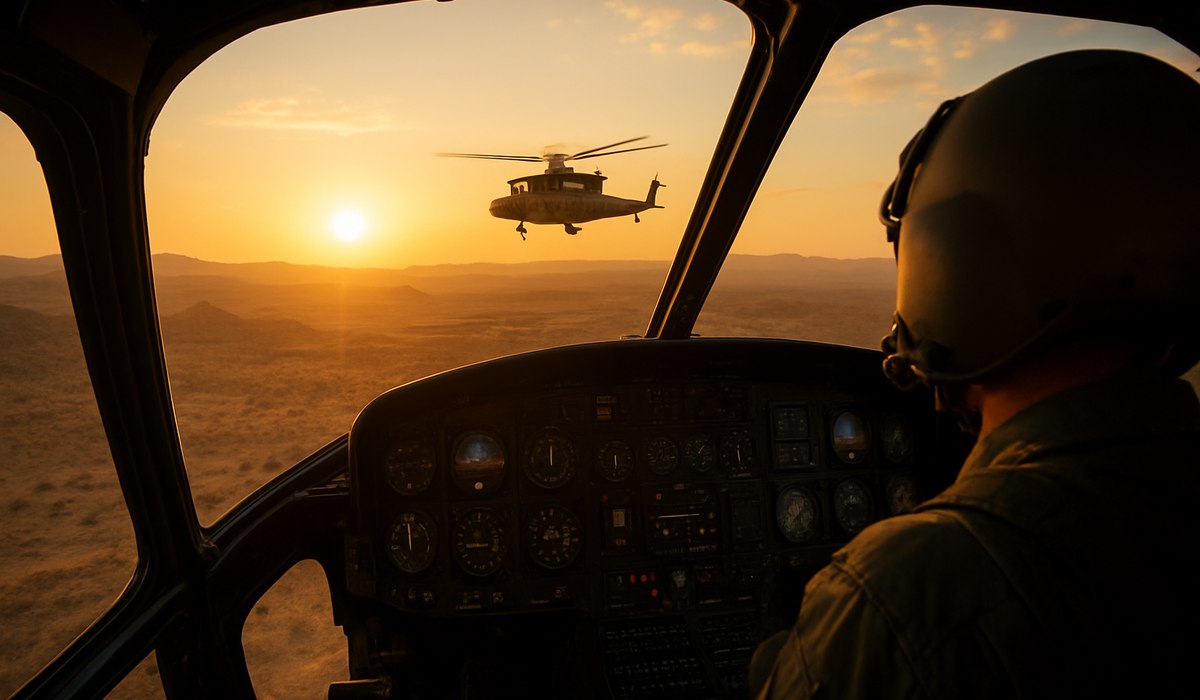
Image generated by AI
Bell Aircraft Advances: Next-Generation Helicopter Pilot Training Contract Down to Two Competitors
Bell Aircraft Corporation has successfully advanced to the final phase of the US Army's next-generation rotary wing pilot training competition in 2026. The elimination of Lockheed Martin narrows the field to two finalist bidders: Bell and M1 Support Services. This development marks a critical juncture in the Army's effort to modernize its helicopter pilot training infrastructure through strategic outsourcing partnerships.
The Final Phase competition represents a substantial opportunity within the defense sector's aviation training ecosystem. As the Army seeks to enhance training efficacy and operational readiness, both remaining contractors will now compete directly for what promises to be a transformative contract. This progression signals that Bell army advances initiatives have successfully demonstrated capability and strategic alignment with Pentagon requirements for next-generation rotary wing instruction.
Bell and M1 Support Services Compete for Army Training Platform Contract
The rivalry between Bell Aircraft Corporation and M1 Support Services constitutes the centerpiece of 2026's defense aviation training landscape. Both organizations now enter the Final Phase with comprehensive proposals addressing the Army's complex training platform specifications. Bell brings decades of helicopter manufacturing expertise, while M1 Support Services provides specialized military training outsourcing capabilities.
The competition framework emphasizes innovation, cost-effectiveness, and training outcomes. Both finalists must demonstrate how their platforms will prepare initial rotary wing pilots for modern combat environments. The evaluation criteria reportedly focus on curriculum development, simulator technology integration, instructor qualification protocols, and long-term operational sustainability. Bell army advances through this competitive process underscore the company's commitment to supporting military aviation readiness.
M1 Support Services, as a specialized defense contractor, brings targeted expertise in military training outsourcing. The organization's background managing complex government contracts provides operational advantages in understanding Pentagon procurement protocols. Both competitors recognize that the final evaluation phase will heavily weigh technical proposals, cost structures, and implementation timelines.
Lockheed Martin Eliminated from Competition
Lockheed Martin's elimination from the next-generation helicopter pilot training competition represents a significant shift in the procurement landscape. The aerospace and defense giant, despite its substantial portfolio of aviation programs, did not advance from earlier evaluation rounds. This outcome reflects the Army's specific requirements prioritization and strategic assessment of proposal alignment.
The elimination process suggests the Army's evaluation team prioritized specialized training expertise and innovative pilot development methodologies over general aerospace contractor credentials. Lockheed Martin's withdrawal leaves the field considerably more focused on organizations with dedicated helicopter training specialization. This development potentially signals that the Army values targeted expertise and specialized outsourcing capabilities over legacy contractor relationships.
Industry analysts note that Lockheed Martin's non-advancement may indicate the Pentagon's preference for agile, specialized training providers rather than diversified aerospace contractors managing multiple portfolio segments. The Final Phase now concentrates on competitors specifically aligned with rotary wing pilot training methodologies and innovation.
Training Platform Specifications and Requirements
The next-generation helicopter pilot training platform must satisfy rigorous military standards and modernization objectives. The Army's specifications encompass simulator technology, curriculum frameworks, instructor development programs, and evaluation metrics. Both Bell aircraft and M1 Support Services face comprehensive requirements addressing initial rotary wing pilot competency development.
Key technical requirements include advanced flight simulator integration, virtual reality training environments, and competency-based progression systems. The platform must accommodate different aircraft platforms, emergency procedures training, and tactical decision-making development. Cost containment remains critical, with the Army emphasizing lifecycle value over initial procurement expenses.
The training infrastructure must also support continuous modernization as helicopter technologies evolve. Both finalists must demonstrate scalability, adaptability to emerging Army requirements, and commitment to long-term partnership sustainability. Instructor qualification protocols and training effectiveness metrics constitute essential evaluation components.
The specification framework addresses recruitment-to-qualification timeframes, training cost per pilot, and operational readiness achievement metrics. Both competitors must articulate how their future helicopter pilot training solutions optimize these performance indicators while maintaining rigorous safety and competency standards.
Industry Impact and Future Outlook
The bell army advances competition outcome will substantially influence defense aviation training for the next decade. The winning contractor will shape how thousands of Army rotary wing pilots receive training through the 2030s. This contract represents far more than procurement; it represents strategic influence over military aviation workforce development.
The emphasis on outsourcing pilot training reflects broader Pentagon trends toward specialized contractor partnerships. Rather than operating training facilities as direct military operations, the Army increasingly leverages private sector expertise and innovation. This approach potentially reduces government overhead while accessing cutting-edge training methodologies developed through civilian aviation sectors.
Both finalists' proposals will likely emphasize technological innovation, training effectiveness data, and cost efficiency advantages. The winner may establish competitive advantages extending beyond this specific contract, potentially influencing other military branch training modernization initiatives. Industry observers anticipate the Final Phase will showcase advanced simulator technologies, artificial intelligence-enhanced training personalization, and innovative pilot assessment methodologies.
The competition's outcome also signals military aviation training direction across allied nations. International defense partnerships may observe how the Army modernizes helicopter pilot preparation, potentially influencing their own training platform procurement decisions. Bell aircraft advancement to final phase competition demonstrates the company's competitive positioning within defense aviation training transformation.
Key Program Data and Specifications
| Program Aspect | Details |
|---|---|
| Competing Organizations | Bell Aircraft Corporation, M1 Support Services |
| Eliminated Competitor | Lockheed Martin |
| Training Focus | Initial rotary wing pilots |
| Platform Type | Next-generation training system |
| Timeline | Final Phase 2026 competition |
| Outsourcing Strategy | Private contractor-led training operations |
| Primary Requirements | Simulator technology, curriculum innovation, cost efficiency |
| Impact Scope | Multi-year contract affecting thousands of pilots |
What This Means for Travelers and Aviation Industry Observers
The bell army advances competition carries indirect implications for commercial aviation and travel sectors:
-
Pilot Training Quality: Enhanced military pilot training indirectly supports aviation safety standards across sectors, as rotary wing experience influences broader aviation culture.
-
Industry Employment: The winning contract will create specialized training positions, potentially attracting talented aviation professionals to military instruction.
-
Technology Transfer: Innovations developed for military training may eventually influence civilian pilot preparation methodologies and simulator technology advancement.
-
Defense Sector Growth: Success in this competition strengthens either Bell Aircraft or M1 Support Services' defense portfolio, potentially enabling future aviation-related procurement opportunities.
-
Aerospace Investment: The final contract award may influence stock valuations and investment decisions within aerospace and defense sectors.
-
Outsourcing Trends: The Army's approach to training modernization signals broader military willingness to partner with specialized private sector contractors.
Frequently Asked Questions
What does "bell army advances" mean in the 2026 defense context?
"Bell army advances" refers to Bell Aircraft Corporation's successful progression through the US Army's next-generation helicopter pilot training competition. The advancement signifies that Bell's proposal met evaluation criteria and competed successfully against other contractors. The phrase captures Bell's forward movement in a competitive procurement process determining military aviation training's future direction.
Why was Lockheed Martin eliminated from the competition?
Lockheed Martin did not advance from earlier evaluation rounds, suggesting the Army prioritized specialized helicopter training expertise over general aerospace contractor credentials. The elimination reflects the Pentagon's assessment that specific training specialization better serves modernization objectives compared to diversified aerospace portfolios.
What is the outsourcing strategy for helicopter pilot training?
The Army outsources pilot training to private contractors rather than operating training facilities as direct military operations. This approach leverages specialized private sector expertise, reduces government operational overhead, and enables access to cutting-edge training technologies developed through civilian and military research.
When will the final competition results be announced?
The Final Phase competition timeline remains flexible based on proposal evaluation complexity and Pentagon procurement procedures. Both finalists will continue developing comprehensive proposals through 2026, with announcement timing dependent on evaluation completion. Regular updates from the Department of Defense may provide additional timeline information.
Related
Disclaimer
This article is for informational and educational purposes only. It does not constitute legal, financial, or professional advice. While we strive to provide accurate and up-to-date information, travel policies, regulations, and conditions change rapidly. Always verify information with official sources before making travel decisions. Nomad Lawyer makes no representations about the accuracy, reliability, completeness, or suitability of the information provided. Readers should consult qualified professionals for advice specific to their circumstances. The views expressed in this article are those of the author and do not necessarily reflect the views of Nomad Lawyer.
Raushan Kumar
Founder & Lead Developer
Full-stack developer with 11+ years of experience and a passionate traveller. Raushan built Nomad Lawyer from the ground up with a vision to create the best travel and law experience on the web.
Learn more about our team →