
Bangladesh Approves Counter-Drone Technology for Airport Security
Bangladesh has approved the installation of anti-drone technology at national airports to secure airspace and satisfy ICAO audit compliance.
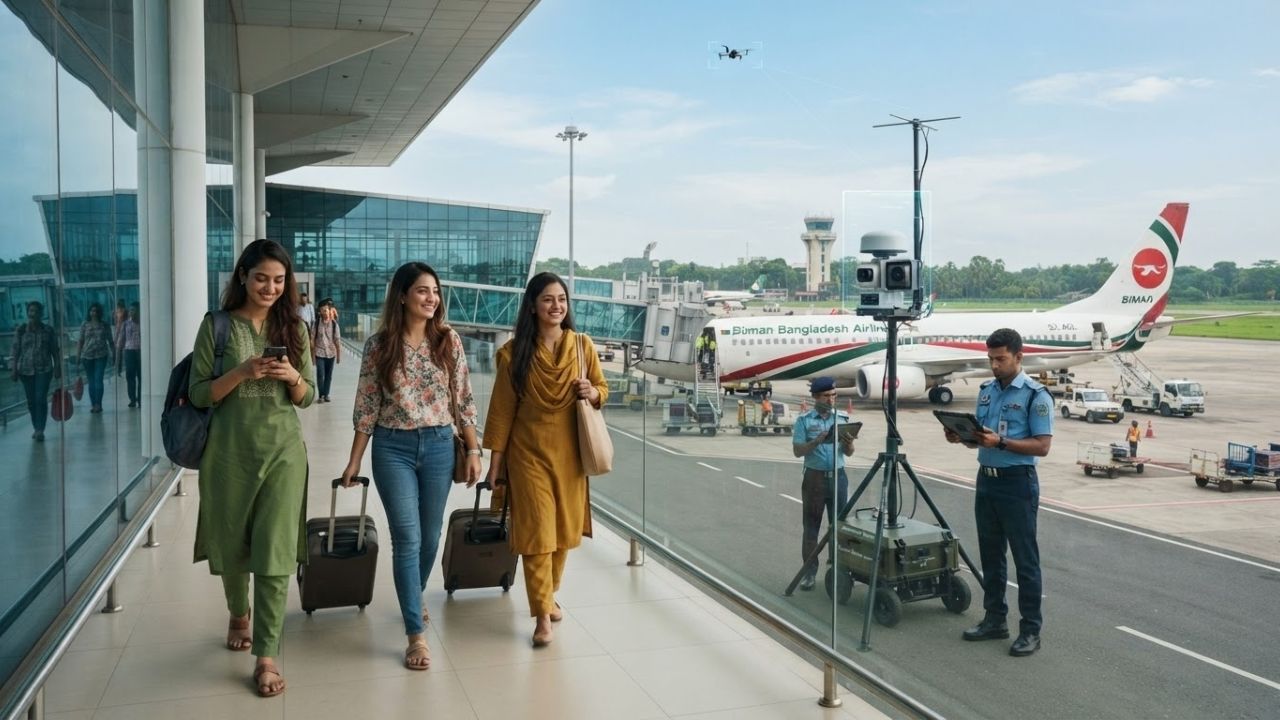
Image generated by AI
Bangladesh has approved the installation of counter-drone systems at national airports to secure airspace and satisfy international aviation safety standards.
The Core Transit Update
Aviation defense parameters and runway security systems are expanding in South Asia. The Government of Bangladesh has approved the acquisition and installation of advanced anti-drone technologies across its commercial airport network.
Confirmed during the 13th meeting of the National Civil Aviation Security Committee at the Civil Aviation Authority of Bangladesh (CAAB) headquarters, the decision integrates counter-unmanned aerial systems (C-UAS) into existing terminal defense infrastructures. The upgrade aims to satisfy security requirements ahead of an impending audit by the International Civil Aviation Organization (ICAO).
Security Milestones & Regulatory Specifications
Coordinating commercial flight routes requires matching airport security categories with international aviation standards. The following table provides specifications for Bangladesh's upcoming safety audit and defense frameworks.
| Regulatory Agency / Body | Security Initiative / System | Key Operational Objective | Compliance Standard | Regulatory Authority |
|---|---|---|---|---|
| Civil Aviation Authority of Bangladesh (CAAB) | Advanced Counter-Drone Technology | Detecting, tracking, and neutralizing unauthorized drone flights | ICAO Annex 17 security protocols | National Civil Aviation Security Committee |
| International Civil Aviation Organization (ICAO) | Comprehensive Security Audit | Assessing airport protection and regulatory compliance | Global aviation safety guidelines | International Civil Aviation Organization |
Aviation security frameworks and counter-unmanned aerial systems (C-UAS) implementation phases.
Traveler Logistics Guide
From a ground-level perspective, the best way to navigate this is to expect enhanced security checks at all baggage and perimeter gates in Dhaka (DAC) and Chittagong (CGP), as airport authorities are strictly enforcing security protocols for all personnel and passengers during this transition period. Checking customs guidelines is recommended.
To plan your transit through Bangladesh's international gateways:
- UAS Flight Restrictions: Flying recreational drones is strictly prohibited within a 10-kilometer radius of any commercial runway in Bangladesh. Unauthorized drone operators face immediate gear confiscation and legal prosecution.
- Airport Departure Windows: Due to reinforced security protocols and ICAO assessment rehearsals, arrive at Hazrat Shahjalal International Airport in Dhaka at least three hours before international departures.
- Baggage Scanning Logs: Ensure all lithium-ion batteries, power banks, and electronic devices are packed in carry-on bags. Counter-drone security rehearsals may trigger occasional terminal gate adjustments.
- Biometric Smart Gates: Utilize the newly installed electronic gates (e-gates) at Dhaka Airport to expedite border clearance and check-in procedures.
Infrastructure Impact Assessment
The investment in anti-drone technology addresses emerging risks posed by commercial drones near active runways. By detecting and disabling unauthorized flights before they breach airport perimeters, the new counter-drone systems prevent flight diversions and protect passenger hulls.
These logistics routines allow the CAAB to align national air corridors with global safety standards, supporting the steady growth of international travel routes to South Asia.
Related Travel Guides
Delta Air Lines Flight DL1490 Diverts to Blue Grass Airport
Singapore National Day 2026 and Bangladesh Business Travel Growth
10 Best Travel Tips for Bangladesh Airports, According to Reddit
Disclaimer
This article is for informational and educational purposes only. It does not constitute legal, financial, or professional advice. While we strive to provide accurate and up-to-date information, travel policies, regulations, and conditions change rapidly. Always verify information with official sources before making travel decisions. Nomad Lawyer makes no representations about the accuracy, reliability, completeness, or suitability of the information provided. Readers should consult qualified professionals for advice specific to their circumstances. The views expressed in this article are those of the author and do not necessarily reflect the views of Nomad Lawyer.