
Bangkok Transport Ministry Launches 15-Pier Electric Boat Route to Boost Canal Tourism
Bangkok Transport Ministry Launches 15-Pier Electric Boat Route to Boost Canal Tourism

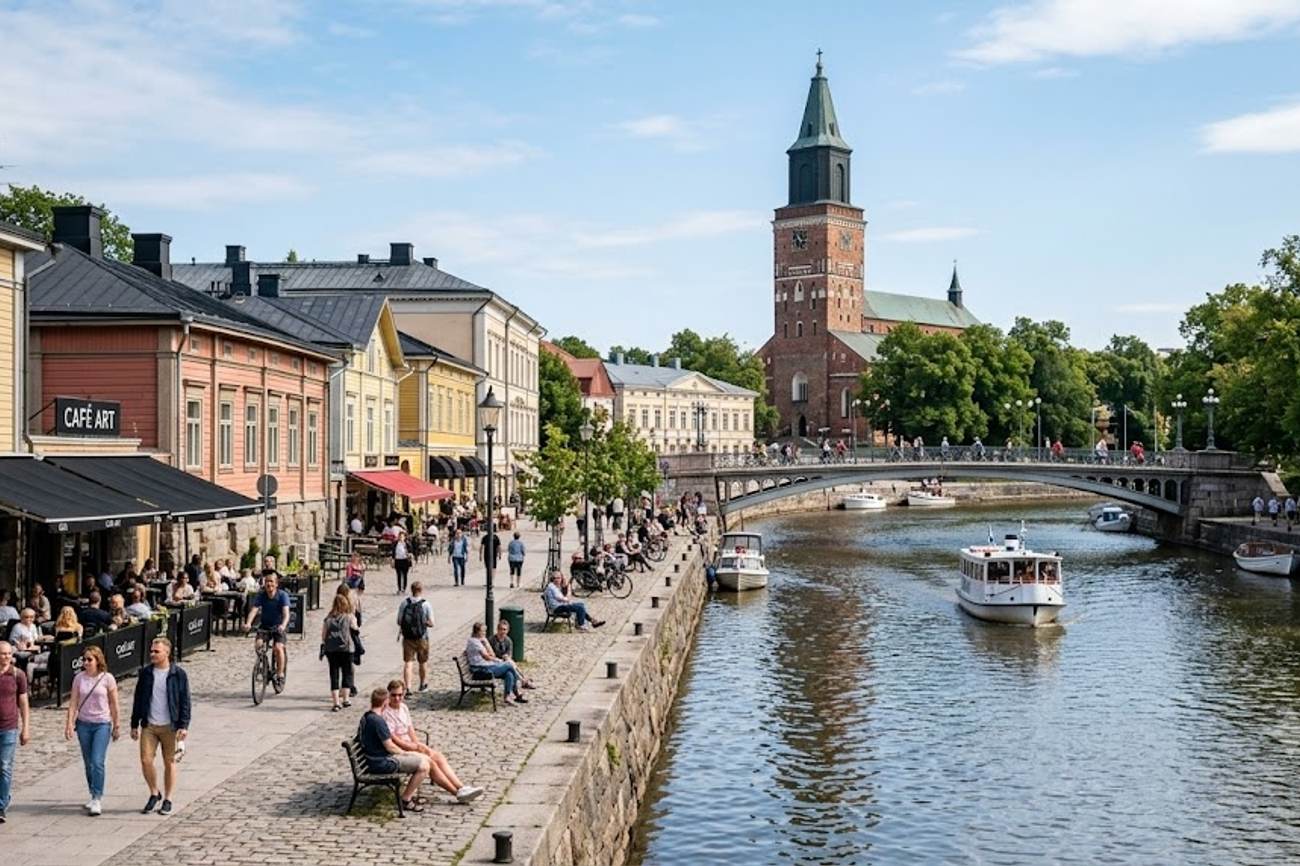
Image generated by AI
title: Bangkok Water Transit Shift: Klong Phasi Charoen Electric Taxi Boat Launch date: 2024-05-22 category: Urban Mobility & Passenger Rights tags: [Klong Phasi Charoen, BMA, Bangkok Transit, Solar-Hybrid Transport, Thailand Tourism]
A commuter attempting to reach Bang Wa Station during the morning rush hour typically faces a gridlocked nightmare of idling engines and stagnant lanes. Now, that same traveler can bypass the asphalt entirely, boarding a silent, solar-powered vessel at one of 15 strategic piers to glide through the historic veins of the city.
The Klong Phasi Charoen Electric Transit Initiative
The Thai Ministry of Transport is fundamentally altering the urban mobility map of Bangkok by deploying a specialized electric and solar-hybrid taxi boat service along Klong Phasi Charoen. This project is not merely a tourist attraction but a systemic attempt to decentralize the city's reliance on its notoriously congested road networks. By utilizing the existing waterway infrastructure, the government aims to shift a significant volume of daily commuters from cars and buses to the canal system.
The operational blueprint involves a network of 15 piers. These docking points are a hybrid of brand-new constructions and refurbished legacy stations. A unique aspect of the project's governance is the collaboration between the Bangkok Metropolitan Administration (BMA) and local community temples, ensuring that the transit expansion respects the spiritual and historical landmarks of the area.
From a capacity standpoint, the Ministry projects that the system will support more than 1,500 passengers every day. This volume is intended to provide a scalable model for other canals in the city. The initiative also includes specialized transit plans tailored for students, ensuring that the youth population has a reliable, low-cost alternative to school buses and private cars.
Affected Routes and Connectivity Hubs
The taxi boat service is designed to integrate seamlessly with Bangkok's existing mass transit systems, creating a multi-modal transport web. The primary focus is on the Klong Phasi Charoen corridor, with specific emphasis on the following nodes:
- Bang Wa Station Interchange: This serves as the critical link between the water taxi service and the city's rapid transit rail lines, allowing passengers to switch from boat to train in minutes.
- Talat Phlu Neighborhood: A primary stop for those accessing one of Bangkok's most famous culinary and cultural districts.
- Wat Kampeang Water Market: A key destination for passengers seeking traditional floating market experiences without the need for private tour operators.
- The 15-Pier Network: A series of strategically placed stops that connect residential zones, temple complexes, and local commerce hubs along the canal.
For passengers planning their journey, monitoring real-time transit updates via the Bangkok Metropolitan Administration or using tools like FlightRadar24 (for those arriving via Suvarnabhumi or Don Mueang and coordinating their onward canal travel) is recommended to synchronize arrival times with boat schedules.
Your Rights as a Passenger
While water taxis in Thailand operate under different regulatory frameworks than international aviation, passengers are still protected by consumer rights and public transport safety standards overseen by the Ministry of Transport. When utilizing a government-backed transit project like the Klong Phasi Charoen service, passengers should be aware of their entitlements regarding safety, pricing, and service reliability.
1. Fare Transparency and Pricing Under Thai consumer protection guidelines, public transit fares must be clearly displayed at each of the 15 piers. Passengers are entitled to a standardized fare structure, preventing "tourist pricing" or arbitrary surcharges. If a passenger is overcharged, they have the right to lodge a formal complaint with the BMA or the Ministry of Transport.
2. Safety and Environmental Standards The transition to electric and solar-hybrid propulsion is not just an ecological choice but a safety one. These vessels are engineered to reduce acoustic pollution and eliminate the exhaust fumes associated with traditional diesel engines. Passengers have a right to a safe boarding environment; the upgraded legacy facilities managed by local temples and the BMA must adhere to current maritime safety codes, including the provision of life vests and clear emergency egress routes.
3. Service Continuity and Reliability For those using the service as a daily commute (such as the students mentioned in the transit plans), reliability is a contractual expectation. While "passenger rights" in the vein of EU261/2004 (which provides monetary compensation for flight delays) do not apply to local boat taxis, the Ministry of Transport is tasked with maintaining a consistent schedule to ensure the goal of 1,500 daily passengers is met without systemic failures.
For those arriving in Thailand from the EU or UK who are accustomed to the strict protections of the UK CAA or EU regulations, it is important to note that local transit disputes are handled via the Thai Office of the Consumer Protection Board (OCPB).
Rebooking Strategy and Alternatives
For travelers and residents who find the Klong Phasi Charoen route congested or unavailable due to maintenance, a strategic approach to Bangkok's multi-modal system is necessary. The goal is to avoid the "gridlock trap" of the city's main arteries.
Alternative Water Routes If the Phasi Charoen line is unavailable, passengers should look toward the Chao Phraya Express Boat services. While these are larger vessels, they provide the primary north-south artery for the city and can connect to various cross-town canals via smaller "long-tail" boats or the new electric fleet.
Rail-to-Water Integration The most efficient strategy for navigating Bangkok is the "Rail-First" approach. Use the BTS Skytrain or MRT Subway to get as close to your destination as possible, then switch to the electric taxi boats for the "last mile" of the journey. For example, taking the BTS to Bang Wa Station and then boarding the Klong Phasi Charoen taxi boat is significantly faster than taking a taxi or ride-share from the city center.
Refunds and Ticket Flexibility Since these taxi boats operate on a high-frequency, low-cost model, tickets are generally non-refundable but highly flexible. Rather than seeking a refund for a missed boat, passengers are advised to utilize the high frequency of the 15-pier network to simply board the next available vessel.
Comparing Transport Modes
- Electric Boat: Best for cultural immersion, avoiding traffic, and short-to-medium distances along the canal.
- BTS/MRT: Best for long-distance cross-city travel and avoiding all surface traffic.
- Ride-Share/Taxis: Only recommended for late-night travel or journeys to areas not served by the 15-pier network or rail lines.
FAQ: Klong Phasi Charoen Transit 2024
Am I entitled to a refund if the boat is delayed? Unlike airline passengers under EU261, local water taxi passengers are generally not entitled to monetary compensation for delays. However, you are entitled to fair, transparent pricing and safe transport as regulated by the Ministry of Transport.
How many stops are available on this route? The service operates across a network of 15 piers. These include a mix of newly constructed docks and upgraded existing facilities managed by the BMA and local temples.
What makes these boats different from traditional canal boats? These vessels utilize electric and solar-hybrid propulsion. This eliminates the noise and air pollution caused by traditional combustion engines, making the trip quieter and more sustainable.
Can I use this service to get to the airport? While the boats do not go directly to the airport, they connect to Bang Wa Station. From there, you can use the rail network to reach the airport links, making it a viable part of a multi-modal airport transfer.
Navigate the Venice of the East by bypassing the traffic and embracing the current.
Related Travel Guides
- Dubai’s Global Village Unveils Season 31 VIP Packages With Exclusive Perks And AED 31,000 Prize
- United States Aligns With Outdoor Escapes As Hidden Lakes Offer Tahoe Inspired Adventures Without Crowds
- Solomon Islands Expands Munda Noro Access as Travel Technology Supports eVisa and Digital Border Processing
Disclaimer
This article is for informational and educational purposes only. It does not constitute legal, financial, or professional advice. While we strive to provide accurate and up-to-date information, travel policies, regulations, and conditions change rapidly. Always verify information with official sources before making travel decisions. Nomad Lawyer makes no representations about the accuracy, reliability, completeness, or suitability of the information provided. Readers should consult qualified professionals for advice specific to their circumstances. The views expressed in this article are those of the author and do not necessarily reflect the views of Nomad Lawyer.
Naina Thakur
Contributor & Travel Specialist
Travel enthusiast and legal writer covering visa regulations, responsible tourism, and cultural journeys across global destinations.
Learn more about our team →