
Baja California Positioned as Mexico's Wine and Coastal Tourism Corridor
Baja California's tourism sector expands across Tijuana, Rosarito, Ensenada, Valle de Guadalupe, Tecate, and San Felipe, offering wine, beach, and culinary travel.

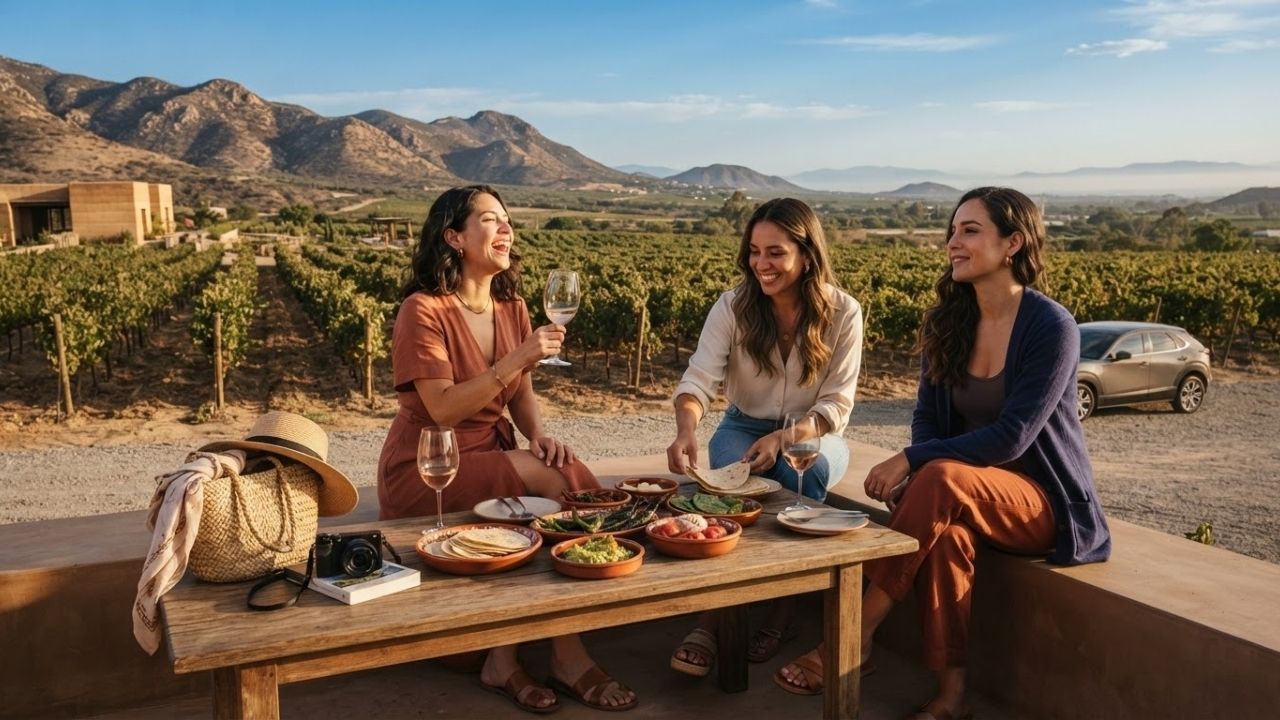
Image generated by AI
Baja California is expanding its international tourism footprint, combining cross-border gateways, Pacific surfing beaches, culinary arts, and Mexico’s premier wine valleys.
[TIJUANA, Mexico] — Regional tourism performance disclosures confirm that Baja California has established a multi-faceted travel corridor along the U.S.–Mexico border. Anchored by Tijuana's culinary scene, Rosarito's surf beaches, Ensenada's cruise port (handling over one million annual passengers), Valle de Guadalupe's vineyards (producing over 70% of Mexico's wine), Tecate's Pueblo Mágico wellness, and San Felipe's Gulf of California desert adventures, the state offers diverse itineraries for short-break and long-haul international visitors.
Tijuana: Cross-Border Logistics and Michelin-Recognized Culinary Scene
Serving as the primary international gateway to the state, Tijuana sits adjacent to San Diego, California.
The city's tourism infrastructure is supported by the Cross Border Xpress (CBX), an enclosed pedestrian bridge connecting Tijuana International Airport directly with a border terminal in San Diego.
Tijuana has evolved into a culinary destination, featuring over 30 craft beer producers and several restaurants recognized by the Michelin Guide.
Tijuana Tourism Infrastructure:
├── Primary Transport Link: Cross Border Xpress (CBX) bridge connecting San Diego & Tijuana Airport
├── Gastronomy Baseline: Over 30 active craft beer breweries & Michelin-recognized dining venues
└── Core Market Segments: Cross-border leisure, culinary tourism, business & wellness travel
| Destination Municipality | Primary Travel Persona | Key Tourist Assets & Infrastructure Metrics |
|---|---|---|
| Tijuana | Border Gateway & Gastronomy | Cross Border Xpress terminal, 30+ craft breweries, Michelin dining |
| Rosarito | Pacific Surfing & Beach Break | Year-round surf breaks, oceanfront seafood dining, coastal resorts |
| Ensenada | Maritime Port & Culinary Gateway | 300+ annual cruise ships, 1M+ passengers, 7 wine valleys gateway |
| Valle de Guadalupe | Wine Tourism & Farm-to-Table | Produces >70% of Mexico's wine, boutique stays, vineyard tasting |
| Tecate | Pueblo Mágico & Wellness | Border Pueblo Mágico, La Rumorosa rocks, Tecate beer heritage |
| San Felipe | Gulf Desert & Sport Fishing | Dec–Mar sport fishing, Valle de los Gigantes cardón cacti, beaches |
Rosarito and Ensenada: Pacific Surfing and Cruise Port Operations
Heading south along the Pacific coast, Rosarito functions as Baja California's primary surfing destination, offering year-round breaks for novice and expert surfers alongside oceanfront seafood dining.
Further south, Ensenada serves as a major Pacific maritime hub.
According to port authority statistics, Ensenada receives over 300 cruise ships and more than 1,000,000 cruise passengers annually. The port city also acts as a gateway to natural sites like Constitución de 1857 National Park and Hanson Lagoon.
Ensenada & Rosarito Coastal Data:
├── Ensenada Maritime Scale: 300+ annual cruise ship calls & 1,000,000+ cruise passengers
├── Nature & Ecotourism: Constitución de 1857 National Park & Hanson Lagoon
└── Rosarito Surf Profile: Year-round Pacific ocean surf breaks & coastal seafood dining
Valle de Guadalupe: Premium Wine Tourism Engine
Inland from Ensenada lies Valle de Guadalupe, the centerpiece of Mexican viticulture.
The region encompasses seven recognized wine valleys that collectively produce over 70% of Mexico’s wine.
Featuring vineyard tasting rooms, boutique eco-lodges, and farm-to-table restaurants, the valley attracts high-spend culinary travelers, supporting regional agriculture, hospitality staff, and transport providers.
Valle de Guadalupe Viticulture Metrics:
├── Regional Scope: 7 recognized wine valleys in the Ensenada hinterland
├── Production Dominance: Produces over 70% of Mexico's total national wine volume
└── Lodging & Experience: Vineyard tasting rooms, boutique eco-lodges & farm-to-table dining
Tecate and San Felipe: Cultural Heritage and Gulf Desert Adventure
The state's interior and eastern coast highlight contrasting travel environments:
- Tecate: Recognized as the only Pueblo Mágico along Mexico's northern international border. Known for wellness retreats, mountain views, La Rumorosa rock formations, and Tecate beer heritage.
- San Felipe: Situated on the Gulf of California, featuring sport fishing (peak season December through March), dramatic tidal changes, and the nearby Valle de los Gigantes, home to giant cardón cacti.
Tecate & San Felipe Distinct Profiles:
├── Tecate: Border Pueblo Mágico, La Rumorosa boulder landscapes & mountain wellness
└── San Felipe: Gulf of California coast, Dec–Mar sport fishing & giant cardón cacti
Frequently Asked Questions (FAQ)
Q1: How much of Mexico's wine is produced in Baja California?
A: Over 70% of Mexico's wine is produced in the seven wine valleys surrounding Ensenada and Valle de Guadalupe.
Q2: How many cruise passengers visit Ensenada each year?
A: Ensenada receives over 300 cruise ships and more than 1,000,000 cruise passengers annually.
Q3: What makes Tijuana's border access unique for international travelers?
A: The Cross Border Xpress (CBX) bridge allows travelers to walk directly between San Diego and Tijuana International Airport terminal.
Why This Matters for Travelers, Tour Operators, and Port Authorities
Analyzing Baja California's tourism infrastructure yields key insights:
- For International Travelers: Combining Cross Border Xpress airport access with vineyard stays enables seamless multi-destination trips.
- For Wine and Food Tour Operators: Offering single-day or weekend packages from California captures high-yield culinary tourism spend.
- For Maritime Port Authorities: Managing over 1 million cruise passengers at Ensenada supports local retail, seafood dining, and shore excursions.
Related Travel Guides
Disclaimer
This article is for informational and educational purposes only. It does not constitute legal, financial, or professional advice. While we strive to provide accurate and up-to-date information, travel policies, regulations, and conditions change rapidly. Always verify information with official sources before making travel decisions. Nomad Lawyer makes no representations about the accuracy, reliability, completeness, or suitability of the information provided. Readers should consult qualified professionals for advice specific to their circumstances. The views expressed in this article are those of the author and do not necessarily reflect the views of Nomad Lawyer.
Raushan Kumar
Founder & Lead Developer
Full-stack developer with 11+ years of experience and a passionate traveller. Raushan built Nomad Lawyer from the ground up with a vision to create the best travel and law experience on the web.
Learn more about our team →