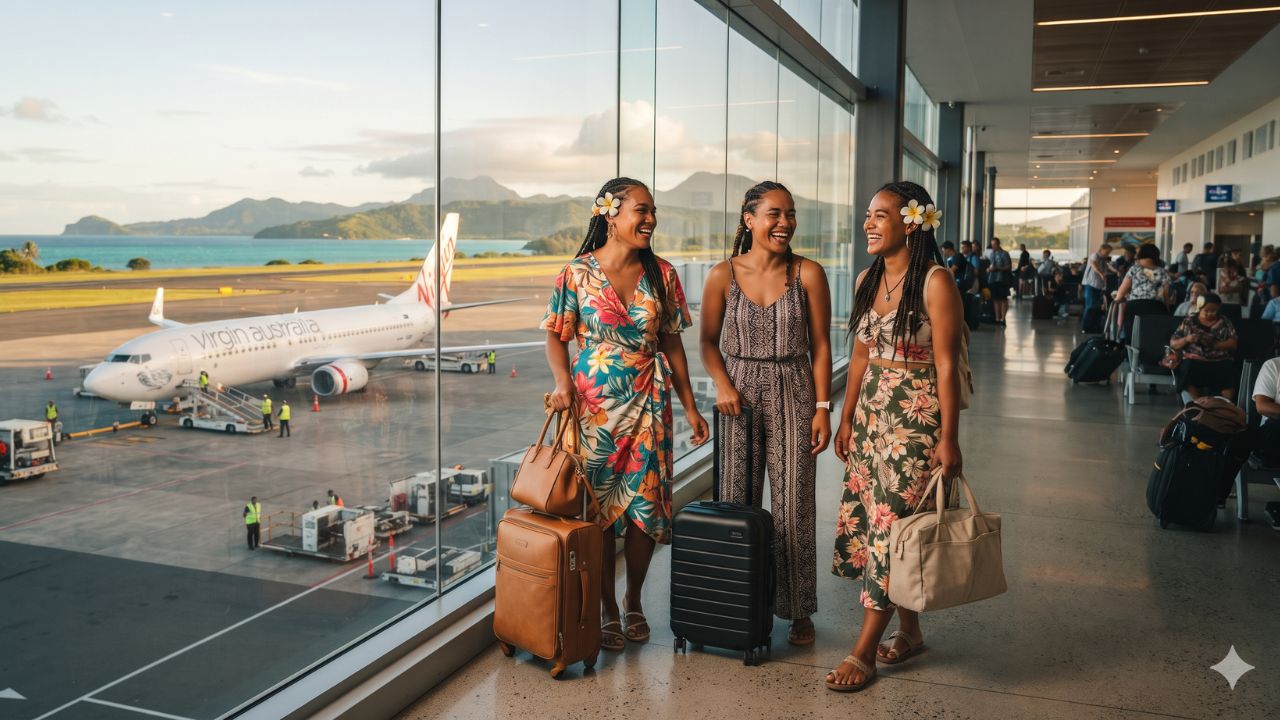
Navigating The Bahamas in 2026: Insider Safety, Island Escapes, and Marine Sanctuaries Across the Out Islands

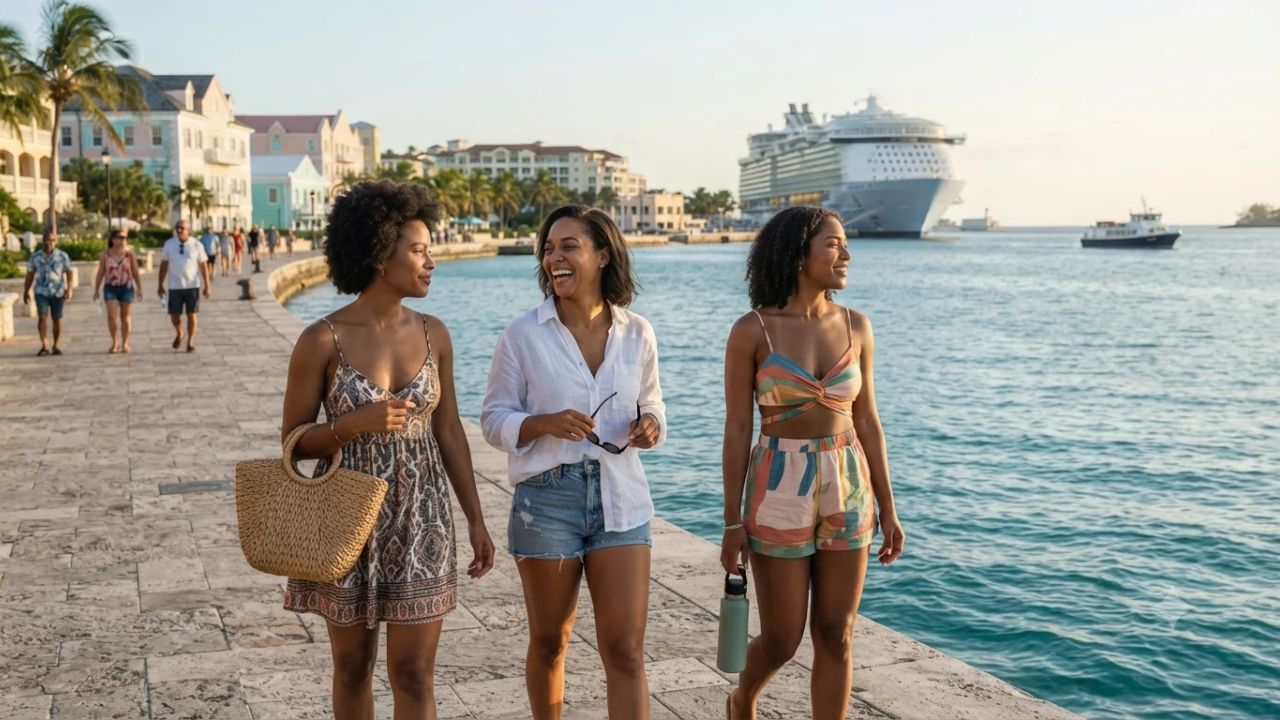
Comprising more than 700 islands and 2,400 cays scattered across 100,000 square miles of the world's clearest turquoise waters, The Bahamas receives over eight million international visitors annually without major incident. While the U.S. Department of State recently refreshed its official travel advisory maintaining the country at Level 2 (Exercise Increased Caution), the updated guidance clarifies practical safety awareness in specific urban commercial sectors of Nassau and Freeport rather than restricting tourism. For discerning travelers, understanding the geographic distinction between busy urban cruise ports and tranquil outer cays unlocks an extraordinary Caribbean sanctuary.
Far from signaling a shutdown, the advisory reinforces the importance of informed travel practices. Backed by official resources from the Bahamas Ministry of Tourism, international voyagers continue to experience world-class bonefishing flats, deep barrier reefs, and protected marine parks. By combining basic situational awareness in urban centers with tailored adventures across the Family Islands, visitors discover why the archipelago remains the undisputed jewel of the Atlantic.
Understanding the Travel Advisory: Urban Realities vs. Island Tranquility
The U.S. State Department's Level 2 advisory focuses primarily on urban crime risks in localized residential and commercial neighborhoods in Nassau on New Providence Island (particularly south of Shirley Street, known locally as "Over-the-Hill") and select industrial sectors in Freeport on Grand Bahama. For resort guests and cruise travelers staying within established tourist corridors—such as Cable Beach, Paradise Island, and the downtown Nassau port district—standard common-sense precautions are all that is required.
To ensure a seamless visit, international travelers should distinguish between different island regions:
- Nassau & Paradise Island (New Providence): The historic capital gateway, featuring 18th-century colonial fortifications like Fort Fincastle, the 66-step Queen’s Staircase carved from solid limestone, high-end culinary dining, and mega-resorts like Atlantis and Baha Mar.
- Grand Bahama Island: Centered around Freeport and Port Lucaya, offering nature reserves, uncrowded southern beaches, and Lucayan National Park's submerged freshwater cave systems.
- The Exumas & Cays: A 365-island archipelago celebrated for shallow sandbars, swimming pigs at Big Major Cay, underwater snorkeling inside Thunderball Grotto, and the vast Exuma Cays Land and Sea Park.
- Eleuthera & Harbour Island: Known for colonial architecture in Dunmore Town, famous pink-sand beaches, pineapples, and dramatic limestone sea cliffs at the Glass Window Bridge.
- The Abacos & Andros: Unmatched havens for sailing, regattas, deep-sea diving along the third-longest barrier reef in the world, and bonefishing across expansive tidal flats.
What Makes The Bahamas Distinct in the Caribbean
The geological formation of The Bahamas separates it from the mountainous volcanic islands of the Eastern Caribbean. The entire archipelago rests on the Great and Little Bahama Banks—massive submerged carbonate platforms that filter sunlight through shallow mineral water, creating breathtaking shades of aquamarine visible from space.
Culturally, Bahamian life is anchored in centuries of Lucayan, African, and British Loyalist heritage, celebrated vibrantly through Junkanoo—an explosive street parade of cowbells, brass horns, goatskin drums, and handmade crepe-paper costumes held on Boxing Day and New Year’s Day.
The culinary scene reflects deep maritime traditions. Along coastal fish fries, master cooks prepare freshly cracked conch, fiery citrus-marinated conch salad chopped to order with Scotch bonnet peppers, Bahamian baked macaroni and cheese, and grilled spiny lobster caught daily by local free-divers.
Visitor Insider Tips
Maximizing your Bahamian holiday while maintaining absolute safety requires local knowledge and vetted water sport practices:
- Vet Water Activity and Jet Ski Operators: When booking jet skis, boat charters, or parasailing, never hire uncertified independent vendors operating directly from public beaches. Only use licensed, insured marine excursion companies booked through your hotel concierge or verified tourism desks.
- Use Authorized Taxis and Arrange Airport Transfers: Avoid accepting rides from unmarked private vehicles at Lynden Pindling International Airport (NAS). Look for official licensed taxis with yellow roof lights and meter rate charts, or arrange private resort transfers in advance.
- Avoid Nighttime Walking in Unlit Areas: While downtown Nassau and the Marina Village on Paradise Island are well-patrolled, avoid walking alone at night into unfamiliar residential neighborhoods or deserted beach stretches after dark.
- Venture on Day Trips to the Out Islands: Escape city congestion by booking scenic 30-minute domestic flights on Western Air or Bahamasair, or board the fast passenger catamaran ferry from Nassau to Harbour Island or Spanish Wells.
- Pack Cash for Island Fish Fries: While credit cards are widely accepted at resorts and restaurants in Nassau, local fruit stands, straw craft markets, and authentic family-run conch shacks in Arawak Cay and the Out Islands prefer US Dollars (USD) or Bahamian Dollars (BSD), which trade at a fixed 1:1 parity.
Cultural and Environmental Context
Responsible tourism serves as the primary guardian of The Bahamas' delicate marine ecology. Managed by the Bahamas National Trust, national parks like the Exuma Cays Land and Sea Park operate as no-take marine reserves, allowing endangered queen conch, Nassau grouper, and staghorn coral to regenerate without commercial depletion.
The Bahamas is set to welcome a record number of visitors in 2026, with the Bahamas Ministry of Tourism investing heavily in infrastructure and marketing campaigns to promote the islands' unique culture and natural beauty. As part of these efforts, the ministry has launched a new website providing travelers with essential information on safety, accommodations, and activities. Visitors can plan their trip and book accommodations through the website, ensuring a seamless and enjoyable experience.
However, the low-lying archipelago faces existential environmental pressures from rising ocean temperatures, coral bleaching, and severe Atlantic hurricanes. Resorts and eco-lodges are increasingly adopting solar energy arrays, eliminating single-use plastics, and funding coral nursery restoration projects led by marine scientists.
By respecting local fishing seasons, refusing to purchase harvested sea turtle shells or juvenile conch, and directing tourism spending to independent boat captains and community craftspeople across the Family Islands, travelers help protect this pristine marine paradise for generations to come.
FAQ: Visiting The Bahamas 2026
Is it safe to visit Nassau and Paradise Island right now?
Yes. Overwhelmingly, visits to established resort zones, private island retreats, and tourist landmarks remain safe when practicing standard personal safety awareness.
Do I need a passport or visa to travel to The Bahamas?
U.S., Canadian, and European citizens require a valid passport with at least six months of validity; tourist stays under 90 days do not require an advance visa.
What is the best way to travel between different Bahamian islands?
Scheduled regional flights on Bahamasair and Western Air, inter-island charter flights, and high-speed passenger ferries provide daily connections between Nassau and the Out Islands.
When is the best time of year to visit The Bahamas?
Mid-December through April offers optimal sunny weather, warm ocean temperatures, and low humidity, while avoiding the Atlantic tropical weather season.
Beyond the resort lights and bustling ports, The Bahamas reveals its timeless magic in the quiet rhythm of the tides and the endless turquoise horizon.
Related Travel Guides
This article is for informational purposes. Flight routes, passenger regulations, visa rules, and transit advisories are subject to change by airlines and aviation authorities. Readers are advised to verify schedules and travel documentation with relevant carriers and border agencies before departure.
Related Stories
United Airlines Launches Nonstop Newark to St. Croix Flights: US Virgin Islands Travel Guide and Crucian Heritage

Montserrat, Nevis and 4 Hidden Caribbean Gems: Insider Guide to Underrated Islands 2026