
US Reissues Ecuador Travel Advisory 2026: Guayaquil Sector Remains Level 4 Do Not Travel
The US State Department has updated its Ecuador travel advisory, maintaining a strict Level 4 'Do Not Travel' warning for specific sectors of Guayaquil amid ongoing security concerns.
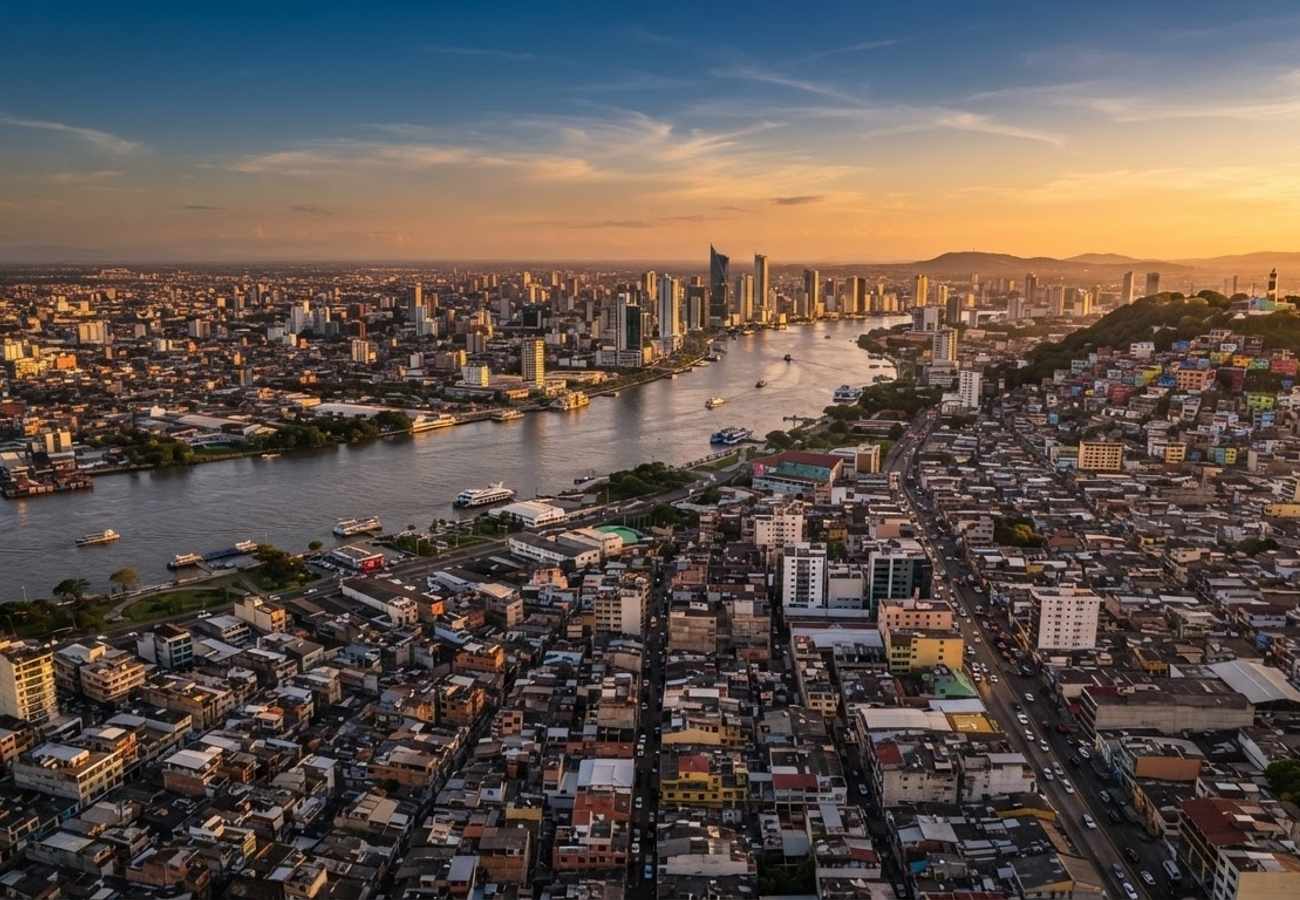
Image generated by AI
The US State Department has maintained a critical "Do Not Travel" warning for specific urban zones in Guayaquil, even as the broader national advisory for Ecuador remains at a lower risk tier.
The reissued advisory, updated on August 18, 2026, highlights a stark security divide within the country. While much of Ecuador is accessible with increased caution, specific coastal corridors and urban neighborhoods are currently deemed too dangerous for international visitors.
National Risk Level vs. Regional Hotspots
Ecuador officially holds a Level 2 advisory rating. This classification instructs travelers to exercise increased caution due to persistent threats of crime, kidnapping, civil unrest, and terrorism.
The State Department emphasizes that this national rating is a general guideline and does not reflect the volatility of specific provinces. Security conditions vary significantly between the highlands, the Amazonian regions, and the coastal plains.
Key risks identified nationwide include:
- Narcotrafficking-related violence, including homicides and armed robberies.
- Sudden road blockages and public demonstrations linked to economic or political instability.
- Targeted kidnappings in high-risk zones.
Despite these warnings, primary tourism hubs—most notably the Galapagos Islands and various highland destinations—do not fall under the highest warning tiers.
High-Risk Zones in Guayaquil and Coastal Provinces
The most severe warning remains in place for a specific sector of Guayaquil, the country's largest city and a primary gateway for international arrivals.
The Level 4 "Do Not Travel" designation applies to neighborhoods south of Portete de Tarqui Avenue. This includes the districts of Pascuales and Nueva Prosperina. These areas are flagged for extreme levels of violent crime and the active presence of organized criminal groups.
Reports indicate that these specific sectors face frequent bombings, targeted killings, and armed robberies. The risk is high not only for those residing there but for tourists who may accidentally enter these zones while navigating the city.
The risk gradient in Guayaquil is sharp:
- South of Portete de Tarqui Avenue: Level 4 (Do Not Travel).
- North of Portete de Tarqui Avenue: Level 3 (Reconsider Travel) due to terrorism and crime.
Beyond Guayaquil, the advisory identifies a "patchwork" of danger across the coast. Several other regions are also classified as Level 4 "Do Not Travel" zones, including the canton of Durán in Guayas province, as well as parts of Esmeraldas, Los Ríos, and El Oro.
Strategic Impact on Transit and Tourism
Guayaquil serves as the central air and land hub for travelers heading to the Galapagos Islands or coastal resorts. The Level 4 status of certain sectors creates a complex environment for transit passengers.
Visitors utilizing Guayaquil as a gateway are urged to:
- Avoid all neighborhoods designated as Level 4.
- Limit movement during nighttime hours.
- Use only vetted, professional transportation services.
The severity of the situation is underscored by the fact that US government personnel in Guayaquil are restricted from using public buses and are prohibited from entering specific districts.
For those planning overland journeys to beach destinations, the presence of Level 3 and Level 4 zones in provinces like Manabí, Santa Elena, and Sucumbíos necessitates flexible itineraries. Travelers should be prepared for sudden checkpoints, temporary curfews, or the need to reroute entirely.
Understanding the US Four-Tier Risk System
The decision to keep Ecuador at Level 2 while flagging specific cities at Level 4 reflects a strategic effort to isolate criminal hotspots from the wider tourism economy.
| Advisory Level | Designation | Meaning for Travelers |
|---|---|---|
| Level 1 | Exercise Normal Precautions | Standard safety measures apply. |
| Level 2 | Exercise Increased Caution | Be aware of heightened risks (Crime/Unrest). |
| Level 3 | Reconsider Travel | Avoid non-essential trips to the region. |
| Level 4 | Do Not Travel | Life-threatening risks; limited consular aid. |
This nuanced approach has been consistent through 2025 and 2026. While the State Department has incrementally added indicators for kidnapping and terrorism, it has avoided raising the national status to Level 3, provided travelers avoid the designated high-risk corridors.
Travelers are strongly encouraged to monitor real-time updates as security conditions in coastal Ecuador remain fluid.
Key Takeaways
- National Status: Ecuador remains at Level 2 (Exercise Increased Caution).
- Critical Zones: Specific areas of Guayaquil (South of Portete de Tarqui Avenue), Durán, and parts of Esmeraldas, Los Ríos, and El Oro are Level 4 (Do Not Travel).
- Transit Warning: Guayaquil is a major hub; travelers must use vetted transport and avoid high-risk neighborhoods.
- Safe Zones: The Galapagos Islands and many highland areas remain outside the highest risk categories.
FAQ
Can I still visit the Galapagos Islands? Yes, the Galapagos Islands are not under the Level 4 warning. However, because many flights transit through Guayaquil, you should exercise caution and follow security protocols while in the city.
What is the difference between Level 3 and Level 4? Level 3 suggests you "Reconsider Travel," meaning you should avoid non-essential trips. Level 4 is the most severe, meaning you "Do Not Travel" due to a substantially higher chance of life-threatening risks.
Which parts of Guayaquil are most dangerous? The areas south of Portete de Tarqui Avenue, specifically the districts of Nueva Prosperina and Pascuales, are currently designated as Level 4.
Related Travel Guides
Disclaimer
This article is for informational and educational purposes only. It does not constitute legal, financial, or professional advice. While we strive to provide accurate and up-to-date information, travel policies, regulations, and conditions change rapidly. Always verify information with official sources before making travel decisions. Nomad Lawyer makes no representations about the accuracy, reliability, completeness, or suitability of the information provided. Readers should consult qualified professionals for advice specific to their circumstances. The views expressed in this article are those of the author and do not necessarily reflect the views of Nomad Lawyer.