
Australia Wildlife Tourism Surges as Endemic Species and Conservation Expeditions Drive International Visitor Boom: Everything You Need to Know
Australia's wildlife tourism is driving a 2026 international visitor boom, with ABS data showing 818,990 arrivals in March 2026 (+7.6% YoY) fueled by endemic animals and conservation trips.

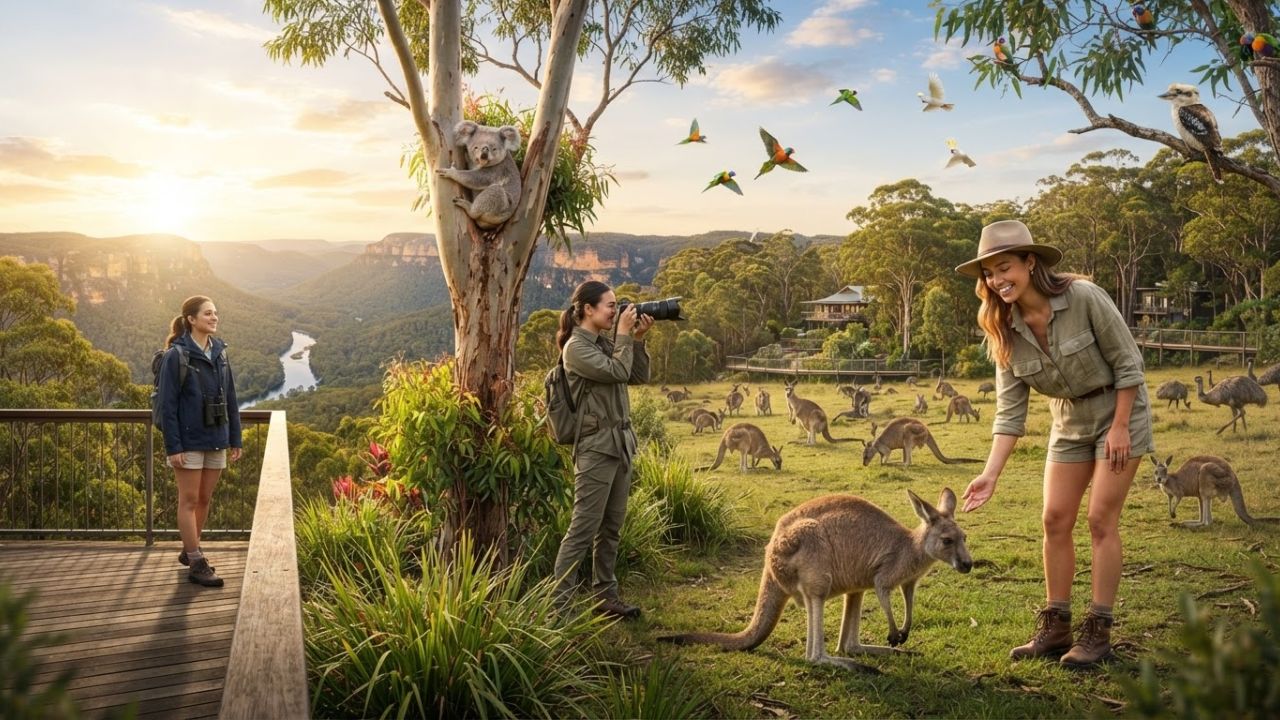
Image generated by AI
The Australia wildlife tourism boom has emerged as one of the strongest drivers of global travel in 2026, as international visitors increasingly prioritize endemic animal encounters, Indigenous-led ecological tours, and high-value conservation journeys over traditional city breaks. Official data released by the Australian Bureau of Statistics (ABS) confirms that short-term international visitor arrivals reached 818,990 in March 2026, representing a 7.6% increase compared to the 761,230 arrivals recorded in March 2025. Featuring iconic encounters with wild kangaroos, koalas, marine giants, and rare bird species across premier destinations such as Ningaloo Reef and Kakadu National Park, Australia is solidifying its position as a global leader in sustainable nature tourism.
📌 Quick Summary
- Surging Arrival Metrics: Short-term international arrivals in Australia rose to 818,990 in March 2026, up 7.6% year-on-year from 761,230 in March 2025.
- Endemic Biodiversity Advantage: A significant portion of Australian animal species exist naturally nowhere else on Earth, creating an irreplaceable global tourism draw.
- High-Value Travel Shift: Global tourists are spending more time and financial resources on guided nature tours, luxury eco-lodges, and Indigenous cultural programs.
- Regional Economic Driver: Wildlife experiences distribute tourist spending beyond major urban hubs into regional communities across Queensland, Tasmania, Western Australia, and the Northern Territory.
- Conservation-Led Tourism: Travelers actively seek out wildlife rehabilitation centers, marine conservation programs, and protected habitat expeditions that yield positive environmental impacts.
Published on July 30, 2026
The shift toward nature-based exploration reflects evolving post-pandemic travel behaviors. Modern international tourists seek meaningful, immersive experiences that combine outdoor adventure, environmental responsibility, and authentic cultural education.
While classic destinations like Sydney Harbour, Melbourne’s cultural arts scene, and the Gold Coast beaches remain popular, wildlife tourism provides Australia with a unique biological competitive advantage. Because its endemic fauna cannot be replicated elsewhere, Australia is capturing a growing share of high-spending, long-stay international travelers.
Context and Background: From Urban Sightseeing to Nature Immersions
Historically, international marketing for Australian tourism focused primarily on urban landmarks and coastal beach resorts. However, recent economic data indicates that the country's travel recovery has transitioned from a volume-based model into a high-value experiential model.
According to updates from Tourism Australia, international visitors are increasingly choosing small-group nature itineraries, guided wildlife expeditions, and stays at luxury eco-lodges. This evolution benefits regional economies by extending average visitor stays and dispersing tourism expenditure directly into rural communities.
Furthermore, integrating Indigenous environmental knowledge into wildlife tours provides travelers with a deeper understanding of Australia's ancient land management practices, creating a holistic cultural and natural holiday experience.
Event Details: 2025 vs. 2026 Tourism Growth and Regional Highlights
Official statistics from the Australian Bureau of Statistics highlight a clear transition from market recovery to robust expansion:
1. Statistical Arrival Breakdown
- March 2025 Short-Term Arrivals: 761,230 visitors (Recovery phase)
- March 2026 Short-Term Arrivals: 818,990 visitors (+7.6% YoY growth)
2. Biological Uniqueness and Endemic Species
Australia's primary competitive advantage in global nature travel is its high rate of endemism. Travelers choose Australia specifically to experience wildlife in natural habitats:
- Koala Conservation Encounters: Protected sanctuary and wild sighting tours across Queensland, Victoria, and South Australia.
- Kangaroo & Wallaby Sightings: Open landscape viewing across rural and coastal environments.
- Coastal Marine Encounters: Whale migration watching along the southern and eastern coastlines, alongside swimming with marine giants at Ningaloo Reef in Western Australia.
- Reef & Wetland Expeditions: Coral ecosystem diving along the Great Barrier Reef and birdwatching tours across Kakadu National Park in the Northern Territory.
- Indigenous-Led Ecological Tours: Cultural walks guided by Traditional Owners detailing native flora, fauna, and seasonal environmental cycles.
Market Comparison: Australia Tourism Indicators (2025 vs. 2026)
The table below contrasts key tourism performance metrics and market trends recorded between 2025 and 2026:
| Tourism Indicator | 2025 Market Status | 2026 Market Status | Impact on Australia Tourism |
|---|---|---|---|
| Short-Term Arrivals (March) | 761,230 Visitors | 818,990 Visitors (+7.6%) | Strong international visitor boom |
| Nature-Based Demand | Rising niche interest | Major primary travel driver | Shifts travel focus toward natural habitats |
| Wildlife Experiences | Popular tour segment | Expanding mainstream attraction | Drives premium guided tour sales |
| Regional Tourism Flow | Steady recovery phase | Direct beneficiary of wildlife demand | Distributes visitor spending into regional areas |
| Sustainable Strategy | Growing consumer priority | Central national tourism strategy | Elevates conservation-led travel products |
Risk and Impact Analysis: Challenges Facing Australia's Wildlife Tourism
Despite strong growth momentum, Australia’s nature-based tourism industry faces critical environmental and operational challenges:
- Climate Change & Extreme Weather: Rising ocean temperatures, coral bleaching events, bushfires, and shifting weather patterns threaten delicate wildlife habitats and seasonal migration cycles.
- Endangered Species Protection: Balancing high visitor volumes with habitat preservation requires strict regulation to avoid stressing vulnerable wildlife populations.
- Animal Welfare Standards: Ensuring sanctuaries and tour operators maintain rigorous ethical standards is vital to safeguarding Australia's international reputation.
- Regional Infrastructure Constraints: Remote wildlife destinations in Western Australia, Tasmania, and the Northern Territory require ongoing investment in transport connectivity and eco-certified lodging.
What Tourism Authorities and Conservationists Are Saying
Tourism strategists and environmental leaders emphasize that long-term success relies on maintaining a strict balance between visitor growth and ecological protection.
Official statements from Australian tourism authorities outline the vision for sustainable wildlife travel:
"Australia’s wildlife tourism boom reflects a fundamental shift in global travel expectations, where international visitors seek authentic, conservation-led nature encounters. Short-term arrivals reaching 818,990 in March 2026 demonstrate that travelers are choosing high-value regional journeys. Our ongoing competitive advantage relies on preserving our endemic biodiversity, empowering Indigenous tour operators, and ensuring tourism spending directly supports habitat conservation."
Conservation experts stress that modern travelers willingly pay premium rates for certified eco-tours when they know their fees directly fund wildlife rehabilitation and scientific research.
Practical Traveler Advice: Planning an Australian Wildlife Journey
Travelers planning a nature-focused trip to Australia in 2026 can optimize their experience by following these practical tips:
- Book Certified Eco-Tours: Choose operators accredited by Ecotourism Australia to ensure tours adhere to strict environmental and animal welfare guidelines.
- Incorporate Regional Destinations: Extend your itinerary beyond Sydney and Melbourne to explore Ningaloo Reef (WA), Kakadu National Park (NT), or Kangaroo Island (SA).
- Engage Indigenous-Guided Experiences: Participate in tours led by Traditional Owners to gain unique insights into native animal behaviors and traditional land stewardship.
- Travel During Optimal Wildlife Seasons: Time your visit with specific natural events, such as whale migration seasons along the coast or turtle nesting periods in Queensland.
- Support Wildlife Rehabilitation Centers: Visit legitimate non-profit sanctuaries that re-invest admission fees into endangered species breeding and habitat restoration.
Broader Context: Regional Economic Transformation
Unlike city-centric tourism, wildlife tourism acts as a powerful economic catalyst for regional and remote communities. When international guests travel to regional destinations, their expenditure directly supports local tour guides, family-owned lodges, transport providers, and regional dining establishments.
States like Tasmania, Western Australia, Queensland, and the Northern Territory are leveraging their natural assets to build sustainable regional economies. By creating eco-tourism jobs, regional areas can protect natural habitats while offering younger generations viable economic opportunities outside major capitals.
Looking Ahead: Positioning Australia as a Global Nature Travel Leader by 2030
As Australia moves toward 2030, government bodies and tourism operators are executing long-term sustainability plans:
- Expanded Conservation Partnerships: Integrating citizen science programs into tourist itineraries, allowing guests to record wildlife sightings for research databases.
- Zero-Emission Eco-Lodges: Investing in off-grid, solar-powered luxury accommodations that minimize environmental footprints in sensitive national parks.
- Enhanced Visitor Management Systems: Implementing permit systems in high-demand natural areas to prevent overcrowding and protect wildlife breeding zones.
FAQ: Australia Wildlife Tourism 2026
What was the growth in international visitor arrivals to Australia in March 2026?
According to the Australian Bureau of Statistics, short-term visitor arrivals reached 818,990 in March 2026, representing a 7.6% increase over March 2025.
What are the top destinations for wildlife tourism in Australia?
Key destinations include Ningaloo Reef (Western Australia), Kakadu National Park (Northern Territory), Kangaroo Island (South Australia), the Great Barrier Reef (Queensland), and protected coastal reserves in Victoria and Tasmania.
Why is endemic wildlife important for Australia's tourism industry?
Endemic animals—such as kangaroos, koalas, and unique marine species—exist naturally only in Australia, creating a unique biological tourism product that competing global destinations cannot replicate.
How does wildlife tourism benefit regional Australian communities?
Wildlife tourism encourages international visitors to travel beyond major cities, distributing hotel, dining, and tour spending directly into regional towns and Indigenous communities.
Conclusion: Pioneering Sustainable Nature and Wildlife Travel
Australia’s wildlife tourism boom demonstrates how rich biodiversity and conservation stewardship can power modern travel growth. By offering authentic encounters with endemic species, supporting regional economies, and prioritizing habitat protection, Australia is setting a global benchmark for sustainable, high-value nature travel.
SEO & Google News Metadata Suggestions
- Suggested Meta Title: Australia Wildlife Tourism 2026: Visitor Boom & Travel Guide (< 60 chars)
- Suggested URL Slug:
australia-wildlife-tourism-surge-conservation-travel-2026 - Suggested Article Tags:
Australia wildlife tourism,Australia visitor arrivals 2026,conservation travel Australia,Ningaloo Reef wildlife,Kakadu National Park tours
Related Travel Guides
The 10 Best Wildlife Safari Tours and Nature Experiences in Australia, According To Reddit
Disclaimer
This article is for informational and educational purposes only. It does not constitute legal, financial, or professional advice. While we strive to provide accurate and up-to-date information, travel policies, regulations, and conditions change rapidly. Always verify information with official sources before making travel decisions. Nomad Lawyer makes no representations about the accuracy, reliability, completeness, or suitability of the information provided. Readers should consult qualified professionals for advice specific to their circumstances. The views expressed in this article are those of the author and do not necessarily reflect the views of Nomad Lawyer.
Preeti Gunjan
Contributor & Community Manager
A passionate traveller and community builder. Preeti helps grow the Nomad Lawyer community, fostering engagement and bringing the reader experience to life.
Learn more about our team →