
Australia Issues 2026 Travel Advisories for US, Finland, and Italy Over Border Security and Safety
Australia has updated travel guidance for the US, Finland, and Italy, highlighting strict biometric entry rules, EES digital registration, and regional safety risks.

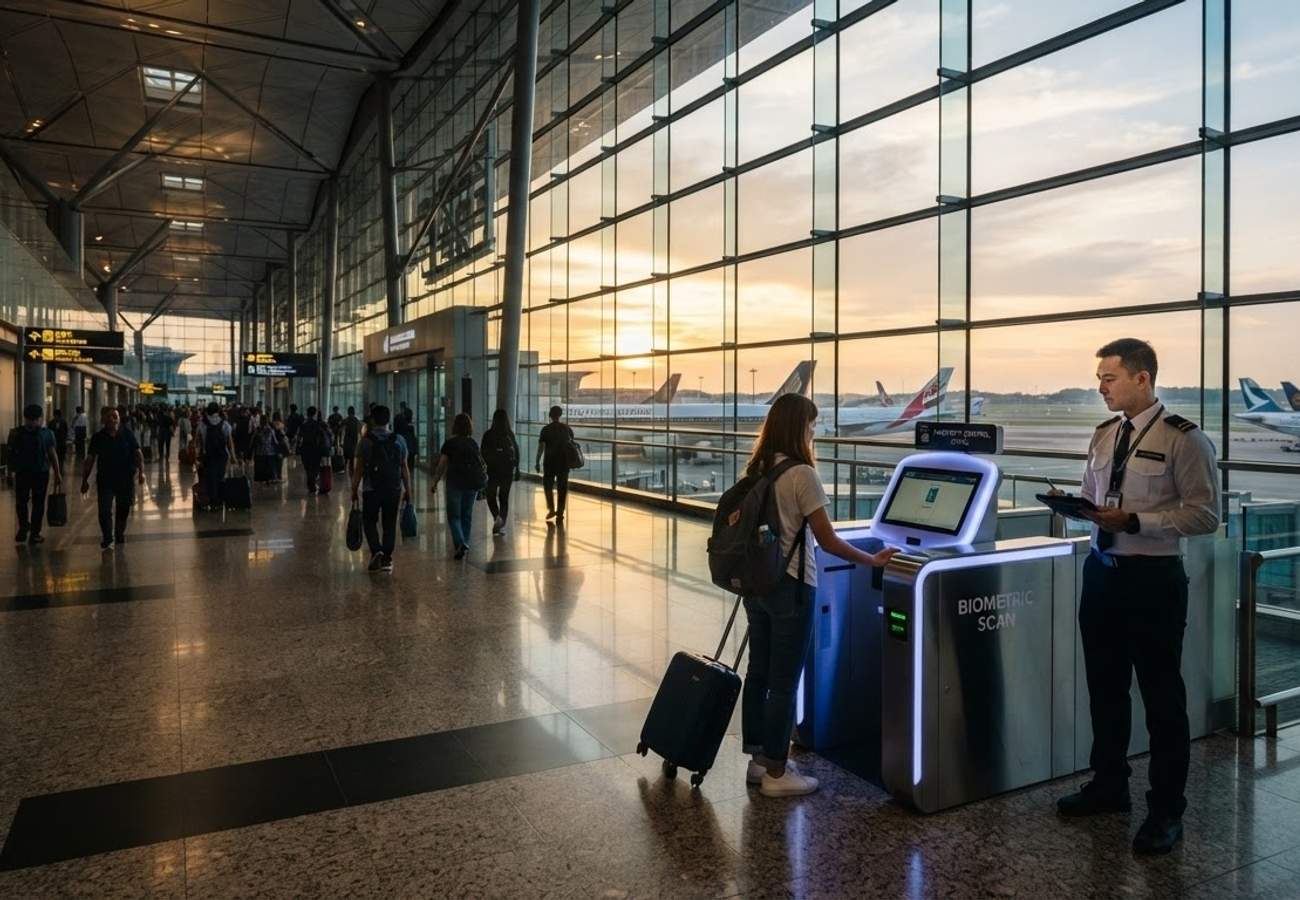
Image generated by AI
Australian travelers are facing tightened scrutiny and new digital hurdles as fresh advisories for the US, Finland, and Italy emphasize that approved visas or ESTAs do not guarantee entry.
The Shift in Global Border Management
A significant pivot in international transit is underway, moving away from physical stamps toward biometric data and discretionary entry. The latest guidance from Australia underscores a critical reality: the "approved" status of a travel document is merely a prerequisite, not a permit.
In the United States, the focus has shifted toward enhanced screening. US Customs and Border Protection (CBP) officers maintain absolute authority over admission, regardless of whether a traveler holds a valid visa or an Electronic System for Travel Authorization (ESTA) under the Visa Waiver Program. For those visiting for fewer than 90 days, the Visa Waiver Program remains the primary route, but failure to meet strict entry conditions can lead to immediate refusal or mandatory return to the point of departure.
Meanwhile, Europe is undergoing a digital transformation. Finland and Italy are now integrating the European Entry/Exit System (EES). This system replaces traditional passport stamping with digital registration, requiring eligible non-European travelers to provide fingerprints and facial images upon entry.
Regional Safety and Environmental Risks
Beyond the paperwork, the advisories highlight a divergence in safety profiles across these three major destinations.
United States: High-Impact Risks
The US advisory warns of a higher prevalence of violent crime compared to Australia, with gun-related incidents cited as a primary concern. Travelers are urged to avoid areas with active demonstrations or protests to mitigate the risk of unrest. Additionally, the advisory notes specific threats against Jewish and Israeli communities, suggesting heightened awareness around public gatherings.
Environmental volatility also remains a factor. Travelers must monitor official updates for hurricanes, tornadoes, wildfires, earthquakes, volcanic activity, tsunamis, flooding, landslides, winter storms, and extreme temperatures.
Finland: Cold Extremes and Elevated Threats
While Finland is generally safe, its terrorism threat level is currently classified as elevated. The focus for visitors here is twofold: vigilance in transport hubs and preparation for the Arctic climate. Winter travel in northern Finland requires specialized gear to handle heavy snowfall, rockslides, and extreme cold.
Italy: Urban Vigilance
In Italy, the risk is primarily opportunistic. Petty crime, specifically pickpocketing and card-skimming, is prevalent in central railway stations, public transport networks, and crowded city centers. The advisory also warns against leaving valuables in rental cars or tour buses.
Visitor Insider Tips
For the modern nomad or legal professional traveling to these regions, the following practical adjustments are recommended:
- US Domestic Transit: Ensure your passport or US-issued ID meets REAL ID requirements for domestic flights; otherwise, you may be denied boarding.
- Schengen Buffer Time: Because the EES biometric registration is processed upon arrival and can cause significant bottlenecks, add at least 2-3 hours to your layover or arrival window in Finland and Italy.
- European Border Nuances: Be aware that temporary border checks are currently active for arrivals from Spain and at the Italian frontier with Slovenia.
- Digital Security: In Italy and Finland, use RFID-blocking wallets and avoid using ATMs in high-traffic tourist zones to prevent card-skimming.
- US Fast-Track: Australian citizens should apply for the Global Entry program through CBP to bypass standard immigration queues.
Tourism Outlook
The long-term trajectory for these destinations points toward "frictionless" travel for vetted individuals but higher barriers for others. The implementation of EES in Europe is the first step toward a fully digitized border, which will likely reduce long-term administrative errors but increase initial transit times. In the US, the emphasis on pre-departure paperwork and interview requirements for non-immigrant visas suggests a continued tightening of security protocols.
For travelers, the era of "showing up with a visa" is over; the new standard is comprehensive digital readiness and real-time monitoring of local security climates.
Prepare your documents, secure your data, and stay alert.
Related Travel Guides
Disclaimer
This article is for informational and educational purposes only. It does not constitute legal, financial, or professional advice. While we strive to provide accurate and up-to-date information, travel policies, regulations, and conditions change rapidly. Always verify information with official sources before making travel decisions. Nomad Lawyer makes no representations about the accuracy, reliability, completeness, or suitability of the information provided. Readers should consult qualified professionals for advice specific to their circumstances. The views expressed in this article are those of the author and do not necessarily reflect the views of Nomad Lawyer.
Preeti Gunjan
Contributor & Community Manager
A passionate traveller and community builder. Preeti helps grow the Nomad Lawyer community, fostering engagement and bringing the reader experience to life.
Learn more about our team →