
Australia Issues Urgent Health Directive as Ross River Virus Strikes Sydney Ahead of Easter Travel Surge
New South Wales health authorities have issued a desperate public alert after confirming highly infectious Ross River virus activity in mosquito populations right as Easter holidaymakers flood Greater Sydney.

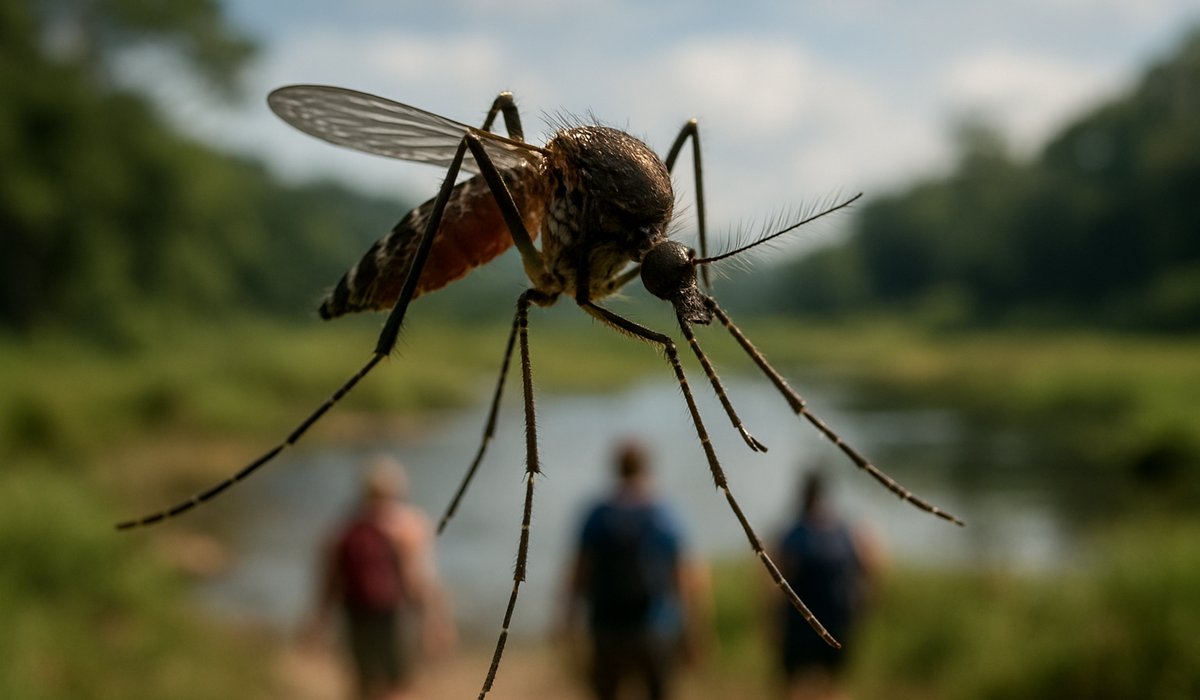
Image generated by AI
Viral Threat Creates Nightmare Scenario for NSW Outdoor Tourism
Shattering the anticipated calm of the peak autumn holiday season, New South Wales (NSW) Health authorities have dropped an urgent, high-level public travel alert confirming that dangerous Ross River virus activity has been formally detected in active mosquito populations swarming Greater Western Sydney. The timing of the outbreak is severely problematic, hitting precisely as thousands of local residents and international tourists prepare to surge into regional wetlands, coastal marshes, and heavily wooded camping grounds for the four-day Easter long weekend.
Ross River virus (RRV) is an endemic alphavirus spread directly via mosquito bites. While rarely fatal, it executes a brutal toll on the human body, commonly inflicting weeks of agonizing joint swelling, debilitating fatigue, and heavy skin rashes. Because there is absolutely no vaccine and no targeted antiviral cure, the government's entire defensive strategy currently relies on terrified tourists actively repelling the insects themselves.
The Confluence of Weather and Travel Demand
Greater Sydney has recently endured heavy localized rainfall followed by warm, stagnant temperatures—creating the absolute ultimate breeding utopia for viral-carrying mosquitoes around popular recreational waterways like the Nepean and Hawkesbury rivers.
Health officials are deeply alarmed that Easter holidaymakers prioritizing cheap, outdoor camping vacations or regional farm stays will unwittingly march directly into highly infected geographical vectors at dawn and dusk—the absolute peak feeding times for the dominant mosquito breeds holding the virus.
Breakdown of the Health Crisis
| Threat Vector | Critical Details | Consequence to Traveler |
|---|---|---|
| Transmission Method | Saliva injected via infected mosquito bite | Instant viral inoculation |
| High-Risk Zones | Greater Western Sydney / Stagnant waterways | Bushland camping trips highly compromised |
| Medical Defense | Zero vaccines / Zero antiviral treatments available | Long-term (3+ months) joint pain and lethargy |
What Guests Get
- A brutal reality check on local wildlife — recognizing that the deadliest thing to a tourist in the Australian bush is rarely a snake or spider, but rather a tiny infected insect carrying debilitating alphaviruses.
- Understanding disease biology — grasping that viruses like this do not spread human-to-human; the threat entirely vanishes if you simply prevent the mosquito from breaking your skin.
- Immediate actionable intelligence — providing tourists the exact geographical zones (Greater Western Sydney river systems) they need to actively protect themselves against this weekend.
What This Means for Travelers
If you are camping or hiking in NSW this Easter weekend: You must fundamentally alter your outdoor behavior. You cannot dress casually around Australian waterways right now. You must physically armor yourself by wearing loose, light-colored clothing with long sleeves and pants. Treat your exposed skin immediately with an aggressive, commercial-grade insect repellent that heavily features either DEET, Picaridin, or Oil of Lemon Eucalyptus (OLE).
Avoid Dawn and Dusk Expeditions: Do not sit outside having sunset barbeques directly next to a swamp or stagnant riverbed in Western Sydney. The mosquito variants carrying Ross River virus are violently active during twilight hours. Ensure that your tent features completely tear-free mosquito netting, and proactively burn mosquito coils if localized fire-bans permit.
FAQ: Ross River Virus in Australia
Can I catch Ross River virus from my hiking partner? No. Ross River virus is not contagious through human-to-human contact. You can legally and safely share tents and vehicles with an infected person. It must absolutely be transmitted via the blood-feed of an infected mosquito.
What should I do if I start feeling severe joint pain after my holiday? If you develop a sudden fever, brutal pain in your knees or wrists, and a rash within one to two weeks following an Australian camping trip, immediately seek a general practitioner. While they cannot cure it, a doctor will formally diagnose it via a blood test and prescribe specific anti-inflammatory pain management grids.
Will bug spray definitely keep me safe? High-quality, DEET-based repellents are exceptionally mathematically effective at masking human carbon-dioxide trails, but they require constant, rigorous re-application every few hours, especially if you are sweating heavily during outdoor recreational activities.
Related Travel Guides
The Hidden Dangers of Australian Camping: A Tourist Survival Guide
Disclaimer
This article is for informational and educational purposes only. It does not constitute legal, financial, or professional advice. While we strive to provide accurate and up-to-date information, travel policies, regulations, and conditions change rapidly. Always verify information with official sources before making travel decisions. Nomad Lawyer makes no representations about the accuracy, reliability, completeness, or suitability of the information provided. Readers should consult qualified professionals for advice specific to their circumstances. The views expressed in this article are those of the author and do not necessarily reflect the views of Nomad Lawyer.
Raushan Kumar
Founder & Lead Developer
Full-stack developer with 11+ years of experience and a passionate traveller. Raushan built Nomad Lawyer from the ground up with a vision to create the best travel and law experience on the web.
Learn more about our team →