
Tourism Plummets as US and Iran Exchange Threats of Devastating Military Retaliation
The lucrative Middle Eastern tourism sector faces total collapse following a chilling exchange of aggressive military rhetoric between US President Donald Trump and authorities in Tehran.

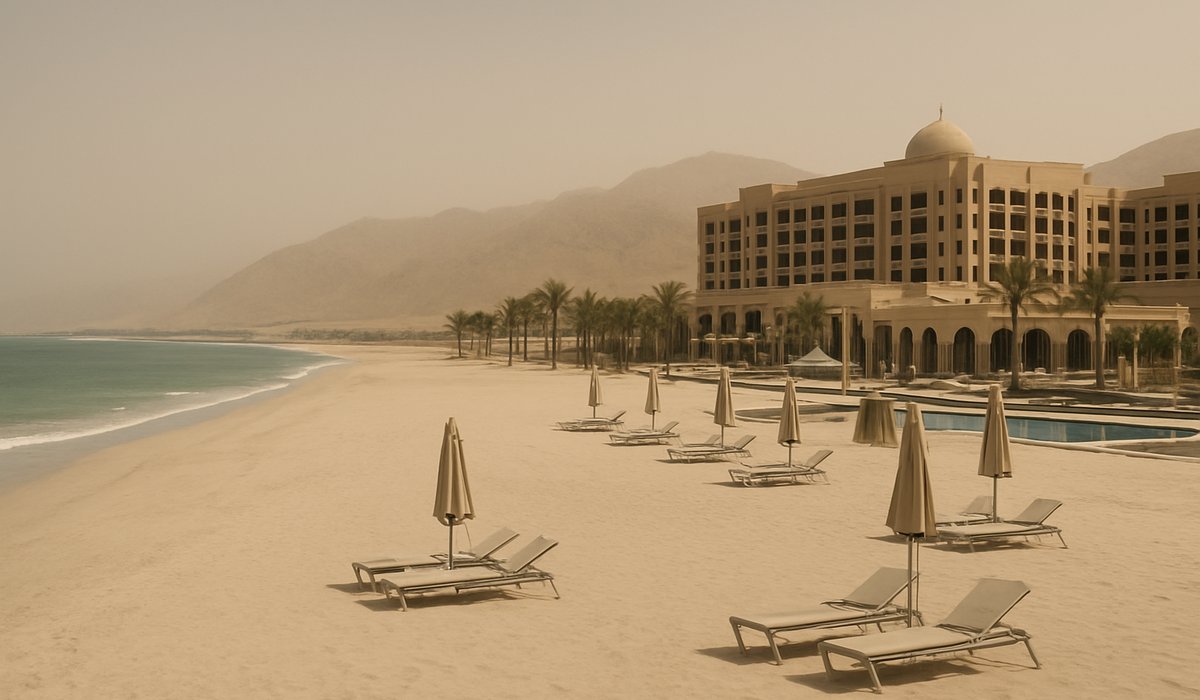
Image generated by AI
Geopolitical Posturing Strangles the Gulf Tourism Economy
Triggering an immediate and massive wave of multinational flight cancellations, the geopolitical landscape of the Middle East has spiraled into chaos following hyper-aggressive military rhetoric exchanged between US President Donald Trump and Tehran. In a blistering prime-time national address on April 1, 2026, the US President declared the intent to deploy "extreme measures" to decisively crush Iranian opposition in the coming weeks. Tehran instantly fired back, warning of "broader and crushing" asymmetric retaliation across the region.
While military generals map out ballistic trajectories, the global travel and tourism sector has immediately absorbed the catastrophic financial impact of these verbal threats. Major tour operators and international cruise lines have instantaneously suspended all upcoming itineraries transiting the Strait of Hormuz—the vital, highly vulnerable waterway separating the Persian Gulf from the Arabian Sea.
The Tourism Casualties of the Strait of Hormuz
Oman, the UAE, and Saudi Arabia heavily rely on continuous, uninterrupted maritime and aviation security to fuel their massive luxury tourism economies. Because the Strait of Hormuz is barely 21 miles wide at its narrowest point, any threat of Iranian naval retaliation instantly transforms the waterway from a cruise ship paradise into a highly active combat zone.
Luxury cruise liners operating multi-week Middle Eastern itineraries have been forcefully diverted or entirely canceled by parent companies who refuse to sail civilian passengers through waters threatened by asymmetric drone or missile strikes. Simultaneously, the stark plunge in regional air travel has drastically decimated hotel occupancy rates from Beirut to Dubai, as leisure travelers completely abandon the region.
The Regional Tourism Impact Radius
| Destination | Primary Economic Exposure | Travel Indicator |
|---|---|---|
| Oman & UAE | Vulnerable to Strait of Hormuz maritime closure | Cruise line mass cancellations |
| Lebanon / Egypt | Collateral airspace and security concerns | Leisure group tours heavily suspended |
| All Gulf States | Massive spike in aviation jet fuel pricing | Deeply inflated consumer airfare costs |
What Guests Get
- Understanding geopolitical economics — grasping how words spoken at a political podium in Washington immediately bankrupt independent tour operators sitting thousands of miles away in Oman.
- Maritime law realities — learning why multi-billion dollar cruise lines absolutely refuse to sail near the Strait of Hormuz the moment military tensions escalate (hint: their maritime insurance syndicates forbid it).
- Aviation routing logic — recognizing that commercial jets cannot fly anywhere near military drone corridors without risking a catastrophic shoot-down scenario.
What This Means for Travelers
If you hold tickets for a Middle Eastern luxury cruise in 2026: Contact your cruise line or travel agent immediately. The vast majority of major European and American cruise conglomerates have already triggered emergency "Deviation Clauses" in their passenger contracts. This means your cruise will not sail into the Persian Gulf as advertised, but will instead be radically re-routed down the eastern coast of Africa or into the Indian Ocean entirely. Do not expect a full refund; cruise lines are legally permitted to change the physical map of the trip due to acts of war without returning your cash.
For independent leisure travelers: Delay any non-essential "bucket list" tours to bordering nations like Jordan, Lebanon, or Egypt. The threat of rapid, unannounced airspace closures means you could effortlessly fly into the country perfectly safely, only to discover the airport is locked down by military order 48 hours later, trapping you financially.
FAQ: Tourism and the US-Iran Conflict
Why are cruise ships canceling routes so quickly? Cruise ships are massive, slow-moving, unarmored targets. Maritime insurance companies based in London immediately revoke the operating insurance for these vessels the moment a body of water is officially designated a "War Risk Area." The cruise lines legally cannot sail without insurance.
Is Dubai still physically safe for tourists? While the UAE borders remain heavily fortified and generally extremely secure, the airspace above it is the primary risk. The threat is not getting attacked in a hotel, but rather being unable to fly out of the country if commercial airspace is suddenly closed.
Will this conflict raise airline ticket prices globally? Yes. As the military tension drives the global price of crude oil drastically higher, every airline in the world is forced to pay more for jet fuel, subsequently passing those multi-million dollar hikes onto passengers via "fuel surcharges" on tickets globally.
Related Travel Guides
Understanding Cruise Line Deviation Clauses and Passenger Rights
How Global Oil Spikes Instantly Affect Your Airline Ticket Price
Alternative Winter Sun Destinations: Bypassing the Middle East
Disclaimer
This article is for informational and educational purposes only. It does not constitute legal, financial, or professional advice. While we strive to provide accurate and up-to-date information, travel policies, regulations, and conditions change rapidly. Always verify information with official sources before making travel decisions. Nomad Lawyer makes no representations about the accuracy, reliability, completeness, or suitability of the information provided. Readers should consult qualified professionals for advice specific to their circumstances. The views expressed in this article are those of the author and do not necessarily reflect the views of Nomad Lawyer.
Raushan Kumar
Founder & Lead Developer
Full-stack developer with 11+ years of experience and a passionate traveller. Raushan built Nomad Lawyer from the ground up with a vision to create the best travel and law experience on the web.
Learn more about our team →