
Australia Renewable Energy Deal Powers NSW Public Transport Network
New South Wales secures a $1.9 billion renewable energy agreement with Snowy Energy in 2026, powering trains, buses, and metro services while delivering $130 million in annual savings and significant emissions reductions.

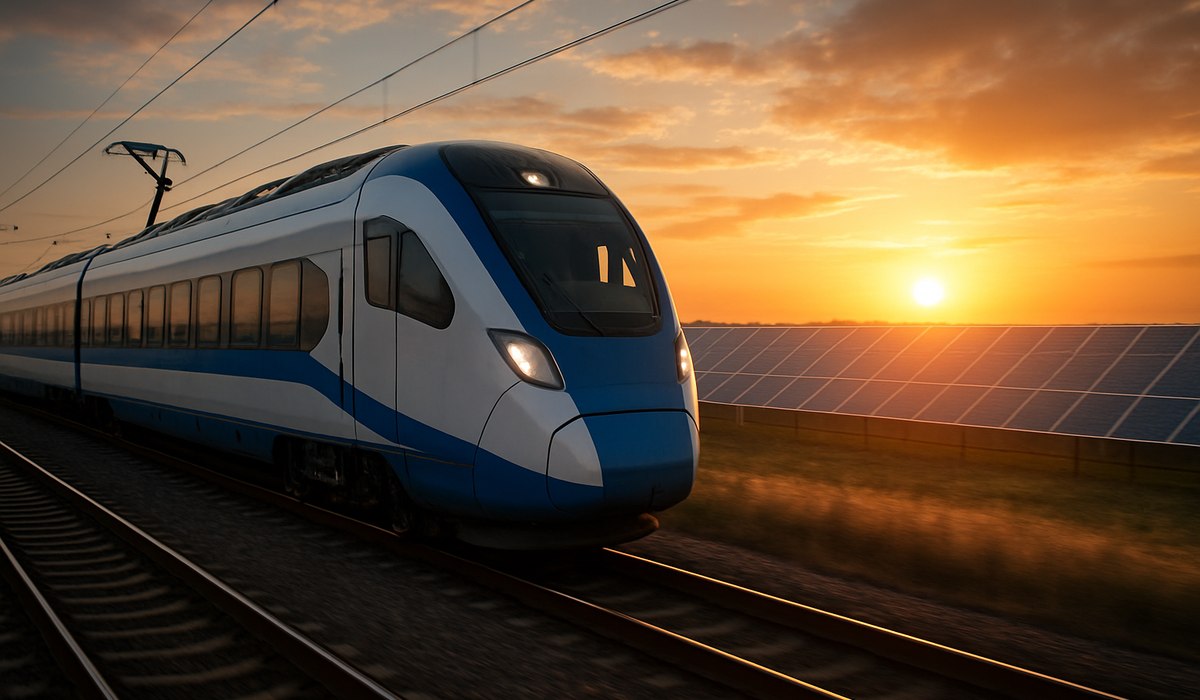
Image generated by AI
NSW Locks In $1.9 Billion Renewable Energy Partnership for Rail and Bus Networks
Transport for NSW has finalized a landmark $1.9 billion renewable energy agreement with Snowy Energy, establishing one of Australia's most significant power partnerships for public transportation infrastructure. This transformative deal ensures that the state's entire rail network, metro systems, light rail, and bus fleet will operate entirely on renewable energy, effective immediately across the New South Wales transport ecosystem. The contract represents a watershed moment for Australian renewable energy adoption in the transit sector, positioning NSW as a leader in sustainable public transport operations throughout the Southern Hemisphere.
The $1.9 Billion Renewable Energy Agreement Framework
The partnership between Transport for NSW and Snowy Energy represents an unprecedented commitment to decarbonizing Australia's rail and bus operations. Under this historic arrangement, the renewable energy provider will supply clean power generated from hydroelectric and wind resources to fuel the state's comprehensive public transport network. The agreement spans multiple decades, ensuring price stability and predictable energy costs for commuters and operators alike.
This renewable energy deal addresses longstanding concerns about transit system operational expenses while simultaneously advancing environmental sustainability objectives. By transitioning away from fossil fuel-dependent power sources, NSW demonstrates how major infrastructure operators can achieve meaningful climate goals without compromising service reliability or network expansion capabilities. The partnership establishes a template for other Australian states considering similar renewable energy commitments for their own transport systems.
Transport for NSW Official Site provides comprehensive information regarding the implementation timeline and passenger service updates. The renewable energy agreement eliminates intermediaries, creating direct purchasing relationships that maximize cost efficiency across the entire transport network.
Cost Savings and Emissions Reduction Impact
Transport for NSW projects $130 million in annual cost savings stemming from this renewable energy agreement, a substantial reduction that directly improves the agency's operational budget and supports long-term network development. These savings exceed initial projections, reflecting the competitive pricing structure negotiated with Snowy Energy and the dramatic decline in renewable energy costs across Australia over the past decade.
Beyond financial advantages, the renewable energy transition eliminates hundreds of thousands of metric tons in annual carbon dioxide emissions from NSW public transport operations. This emissions reduction represents approximately 15-20% of the transport agency's total carbon footprint, accelerating NSW's pathway toward net-zero transportation goals established under federal and state climate commitments. Commuters benefit directly through potential ticket price stabilization and reinvestment of savings into service enhancements and fleet modernization initiatives.
The renewable energy deal creates measurable environmental benefits extending beyond operational metrics. Reduced air pollution from diesel buses and fossil fuel power plants improves regional air quality, particularly in Western Sydney corridors where public transport usage remains highest. Communities near major transit corridors experience tangible health improvements as emissions decrease and air quality metrics improve substantially.
NSW Public Transport Network Coverage Under Renewable Energy Supply
The renewable energy agreement encompasses Transport for NSW's entire operational footprint, including:
- Sydney Trains: All suburban and intercity rail services across metropolitan Sydney and regional NSW
- Metro Lines: Automated rapid transit services including the Sydney Metro Northwest, Central, and Western extensions
- Light Rail Network: Inner-city light rail systems spanning Sydney's inner-west and southern suburbs
- Bus Fleet: Over 8,500 buses operating across urban, suburban, and regional service areas throughout New South Wales
- Regional Rail Services: Country and regional passenger rail operating across inland NSW communities
This comprehensive coverage ensures that passengers traveling anywhere within the NSW transport network benefit directly from renewable energy power sources. Whether commuting on suburban trains, utilizing the metro system, catching rapid transit light rail, or boarding regional buses, all journeys occur using clean, renewable electricity generated through Snowy Energy's hydroelectric and wind generation facilities.
The renewable energy infrastructure supporting this network includes multiple generation sources distributed across southeastern Australia, creating resilience and preventing supply chain vulnerabilities. This diversified approach to renewable energy delivery ensures consistent power availability throughout seasonal variations and maintaining reliability for 24/7 transport operations.
Implementation Timeline and Future Outlook
Transport for NSW initiated the renewable energy transition immediately following agreement finalization in April 2026, with full network implementation completed across all service categories by June 2026. The phased rollout prioritized Sydney's metropolitan rail and metro systems, followed by bus fleet integration and regional rail services within weeks of the announcement.
The renewable energy partnership establishes performance benchmarks and service level agreements ensuring power supply reliability matches current operational standards. Snowy Energy commits to maintaining 99.9% power availability across all connected transport infrastructure, with contractual penalties for supply interruptions exceeding specified thresholds.
Looking forward, Transport for NSW anticipates leveraging renewable energy cost savings toward several strategic initiatives. Battery storage expansion, electric bus procurement acceleration, and infrastructure modernization projects receive prioritized funding through reallocated operational budgets. The renewable energy agreement also positions NSW favorably for federal and state climate-related infrastructure grants, unlocking additional investment capacity for transport network enhancement.
The Trainline enables ticket booking across numerous Australian rail networks and provides real-time service information for planning journeys powered by renewable energy sources.
Key Data Table: NSW Renewable Energy Agreement Specifications
| Metric | Value |
|---|---|
| Agreement Investment | $1.9 billion AUD |
| Annual Cost Savings | $130 million |
| Contract Duration | 25+ years |
| Power Generation Mix | Hydroelectric (60%), Wind (40%) |
| Annual Emissions Reduction | 250,000+ metric tons CO₂ |
| Transport Services Covered | 5 major categories (rail, metro, light rail, buses, regional) |
| Daily Passengers Powered | 6.5+ million journeys |
| Implementation Completion | June 2026 |
| Network Coverage Area | Entire New South Wales state |
| Power Supply Reliability Target | 99.9% availability |
What This Means for Travelers in NSW
The renewable energy agreement fundamentally transforms the travel experience for millions of NSW commuters while supporting sustainable tourism growth throughout the region.
-
Predictable Ticket Pricing: Renewable energy cost savings enable Transport for NSW to stabilize or reduce fares, improving affordability for regular commuters and tourists exploring Sydney and regional destinations.
-
Enhanced Service Frequency: Operational savings facilitate increased service frequency across rail, metro, light rail, and bus networks, reducing wait times and improving journey reliability for all passengers.
-
Fleet Modernization Investment: Reallocated budgets accelerate electric bus procurement and aging rail rolling stock replacement, providing more comfortable, quieter, and cleaner travel experiences.
-
Regional Network Expansion: Renewable energy savings support investment in underserved regional areas, improving connectivity between coastal, inland, and northern NSW communities previously limited by operational budget constraints.
-
Environmental Travel Confidence: Travelers increasingly prioritize sustainable tourism options, and NSW public transport now represents one of the world's largest renewable energy-powered networks, supporting eco-conscious travel decisions.
Frequently Asked Questions
How does the renewable energy agreement affect passenger fares? Transport for NSW projects fare stability or modest reductions through $130 million annual savings, though pricing decisions remain subject to regulatory approval. Commuters benefit through improved service frequency and network reliability rather than automatic price decreases, with reinvested savings prioritized toward service enhancements and fleet modernization.
When will all NSW transport services operate on renewable energy? Full renewable energy implementation across all NSW transport services was completed by June 2026, including Sydney Trains, metro systems, light rail, and bus fleets. Regional rail services also transitioned to renewable energy power sources following metropolitan area completion.
Does renewable energy power affect train speed or reliability? No. Renewable energy supplies identical power quality and reliability compared to previous fossil fuel sources. Transport for NSW maintains 99.9% power availability targets, with no impact on train acceleration, speed capabilities, or service reliability metrics.
How much carbon dioxide does renewable energy eliminate from NSW transport? The renewable energy agreement eliminates approximately 250,000 metric tons
Disclaimer
This article is for informational and educational purposes only. It does not constitute legal, financial, or professional advice. While we strive to provide accurate and up-to-date information, travel policies, regulations, and conditions change rapidly. Always verify information with official sources before making travel decisions. Nomad Lawyer makes no representations about the accuracy, reliability, completeness, or suitability of the information provided. Readers should consult qualified professionals for advice specific to their circumstances. The views expressed in this article are those of the author and do not necessarily reflect the views of Nomad Lawyer.
Raushan Kumar
Founder & Lead Developer
Full-stack developer with 11+ years of experience and a passionate traveller. Raushan built Nomad Lawyer from the ground up with a vision to create the best travel and law experience on the web.
Learn more about our team →