
Record Labor Day Gas Prices Surpass $4 per Gallon as Americans Pivot to Regional Road Trips in 2026
US regular gasoline prices cross $4 per gallon ahead of Labor Day 2026, breaking 2012 records and steering travelers toward localized regional road trips.

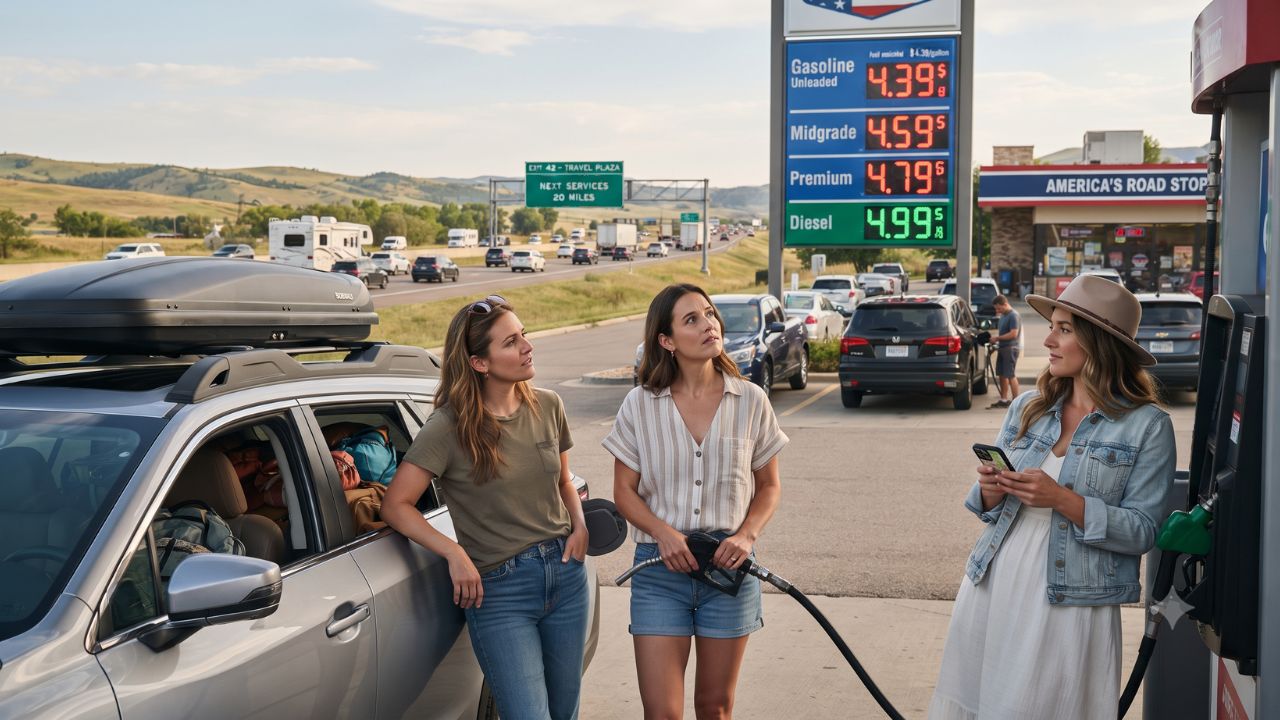
Image generated by AI
American holiday travel faced unprecedented budget headwinds over the 2026 Labor Day weekend, as the national average price for regular gasoline climbed above $4 per gallon to shatter the previous all-time holiday benchmark set in 2012.
Announced on September 5, 2026, the historic fuel price milestone reflects a confluence of global energy friction and domestic supply tightness. With international benchmark crude oil prices ascending past $90 per barrel amid escalating geopolitical tensions in the Middle East involving Iran, refining constraints and diminished petroleum stockpiles have amplified pump prices across the United States. Rather than cancelling late-summer getaways outright, millions of American motorists are pivoting toward "micro-cations"—reallocating vacation spending away from cross-country driving marathons toward regional state parks, lakeside retreats, and farm-to-table culinary trails closer to home.
The Local Trend Revealed: Regional Micro-Trips Replace Cross-Country Treks
Labor Day traditionally serves as the grand finale of the American summer driving season, representing the final holiday weekend for family road trips before the academic school year begins in earnest. In 2026, however, filling an average 15- to 20-gallon vehicle tank regularly surpasses $60 to $80 per stop, fundamentally altering the economics of highway travel.
While the national average crossed the historic $4-per-gallon threshold, regional variations reveal severe cost disparities across the country:
- West Coast and Pacific Markets: California, Washington, and Hawaii continue to lead the nation in fuel costs, with local metropolitan pump prices frequently exceeding $4.85 to $5.25 per gallon due to state-specific environmental fuel blends and elevated excise taxes.
- Mountain and Western Corridors: Colorado and neighboring Rocky Mountain states have seen sharp spikes driven by summer tourism transit and regional refinery maintenance outages.
- Commercial Diesel Strain: Record diesel prices are simultaneously inflating line-haul logistics, increasing operating overhead for tour coach operators, commercial shuttle fleets, and agricultural delivery networks.
These fuel dynamics have triggered an immediate shift in leisure behavior. Destinations that traditionally depend on visitors driving hundreds of miles—such as remote Rocky Mountain gateway towns and distant coastal communities—are observing shorter average stays and tighter discretionary budgets for dining and paid attractions. In contrast, state parks, regional river corridors, and county heritage preserves located within a two-hour radius of major urban centers are experiencing record holiday day-trip attendance.
| Fuel & Economic Indicator | Verified 2026 Labor Day Benchmark |
|---|---|
| National Regular Gas Average | Crossed above $4.00 per gallon (new holiday record) |
| Previous All-Time Record | Labor Day 2012 benchmark |
| Crude Oil Benchmark | Exceeded $90 per barrel on global energy markets |
| Most Expensive State Markets | California, Hawaii, Washington, and Colorado |
| Primary Geopolitical Driver | Middle East supply concerns and transit tensions involving Iran |
| Domestic Supply Factor | Tight refinery capacity and diminished petroleum stockpiles |
| Dominant Consumer Response | Shift toward regional micro-cations within a 100-to-150-mile radius |
Cultural & Environmental Value: Slow Travel and Community-Centered Tourism
While elevated gasoline prices place immediate strain on household budgets, the resulting travel recalibration is driving a meaningful cultural revival in local and sustainable tourism.
The traditional cross-country road trip, popularized in post-war American culture along routes like Route 66, prioritized high mileage and highway transit. In contrast, the current cost pressures encourage "slow travel"—spending more time exploring a single rural county or historic heritage district rather than burning gallons behind the steering wheel.
This shift directly benefits small independent businesses outside major corporate resort strips. Travelers exploring within 100 miles of home are channeling discretionary dining dollars into family-run orchard farm stands, independent bakeries, municipal farmers markets, and local historical museums. Environmentally, shorter driving radiuses and conscious vehicle operation substantially lower aggregate greenhouse gas emissions during one of the year's busiest transit weekends.
Visitor Insider Tips: Maximizing Road Trip Budgets and Fuel Efficiency
Travelers can mitigate the impact of record gasoline prices with deliberate planning strategies:
- Leverage Interstate Border Price Disparities: State fuel tax differences create major savings opportunities. For example, drivers traveling along the Interstate 5 corridor can save significantly by refueling in Oregon rather than California or Washington. Use digital tools like GasBuddy or AAA TripTik to plan fueling stops near state lines or wholesale club stations.
- Strategic Departure Windows to Avoid Idling: Highway gridlock wastes immense amounts of fuel; an idling engine consumes up to half a gallon of gasoline per hour. Depart before 06:00 or after 19:30 on peak getaway days to avoid stop-and-go congestion along major metropolitan exits.
- Maintain Optimal Tire Pressure and Highway Speeds: The US Department of Energy confirms that properly inflated tires improve gas mileage by up to 3 percent. On open highways, maintaining a steady 65 mph using cruise control burns between 10 and 15 percent less fuel than aggressive cruising at 75 to 80 mph.
- Trade National Parks for State and County Preserves: Highly publicized National Parks (such as Rocky Mountain, Yosemite, or Mount Rainier) often require pre-booked vehicle reservations, long gate queues, and $35 vehicle entrance fees. Explore nearby state forests or county recreation areas instead, which frequently feature free parking, uncrowded hiking trails, and identical geological beauty.
- Pack a Local Sourced Roadside Cooler: Avoid inflated highway rest-stop fast food by visiting a community farmers market before departure. Packing artisanal bread, local cheeses, seasonal heirloom fruit, and chilled beverages saves families $40 to $70 per meal while providing a scenic picnic stop at roadside scenic overlooks.
Tourism Outlook: Fuel Economics Reshaping Autumn Travel Patterns
The record fuel prices observed over Labor Day 2026 provide a telling preview of broader autumn tourism trends. With aviation jet fuel prices closely tracking crude oil above $90 per barrel, airlines are expected to adjust fall fare sales to protect operating margins, discouraging last-minute budget flights.
For the American travel sector, adaptability will define the coming months. Tourism boards that actively market local day trips, scenic autumn foliage byways, and affordable community festivals will capture the growing cohort of budget-conscious motorists. While high fuel costs present real economic hurdles, the enduring American passion for exploration is not vanishing; it is simply rediscovering the rich cultural and natural heritage waiting just beyond the city limits.
Related Travel Guides
Disclaimer
This article is for informational and educational purposes only. It does not constitute legal, financial, or professional advice. While we strive to provide accurate and up-to-date information, travel policies, regulations, and conditions change rapidly. Always verify information with official sources before making travel decisions. Nomad Lawyer makes no representations about the accuracy, reliability, completeness, or suitability of the information provided. Readers should consult qualified professionals for advice specific to their circumstances. The views expressed in this article are those of the author and do not necessarily reflect the views of Nomad Lawyer.
Raushan Kumar
Founder & Lead Developer
Full-stack developer with 11+ years of experience and a passionate traveller. Raushan built Nomad Lawyer from the ground up with a vision to create the best travel and law experience on the web.
Learn more about our team →