
Sydney Drives Australia's Tourism Future with Major Airport Expansions
Australia's major cities invest heavily in airport infrastructure and regional transit in 2026 to capture growing international visitor demand.

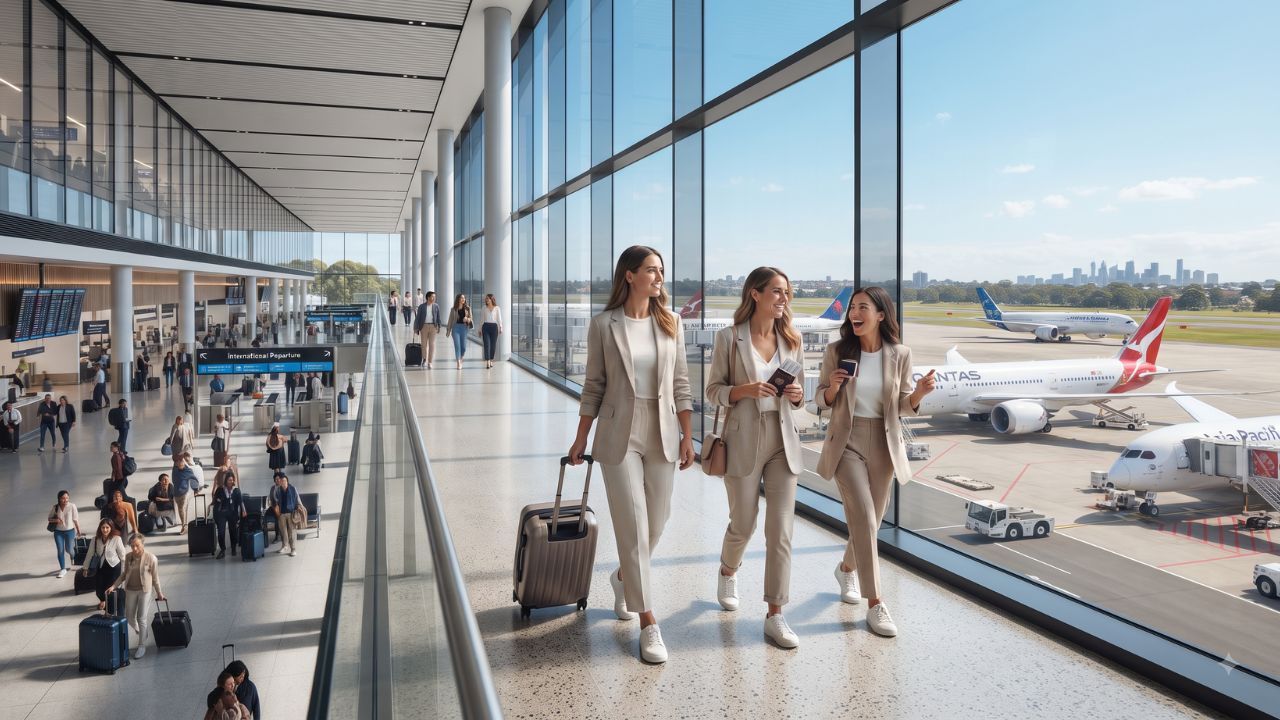
Image generated by AI
Australia is driving its national tourism future by investing in airport infrastructure and regional transit connections across major cities in 2026. Led by the opening of Western Sydney International Airport and its initial capacity of 10 million annual passengers, state governments are building aviation capacity before a projected global visitor surge.
Aviation Infrastructure at the Core of Australia's Travel Strategy
The travel sector in Australia is experiencing a transition as cities align destination promotion with transport capacity. In 2026, the focus has shifted from marketing attractions toward expanding airport networks, securing airline routes, and building local transit.
By establishing these seasonal travel corridors, the airline's management aims to support both business and leisure travel flows. Corporate travelers and travel agencies, which maintain strong relationships with global destination management organizations, benefit from direct seat capacity. This economic integration supports the travel sector, providing service providers with a reliable channel for high-value bookings.
By establishing these seasonal travel corridors, the airline's management aims to support both business and leisure travel flows. Canadian corporate travelers and travel agencies, which maintain strong relationships with European and Asian destination management organizations, would benefit from direct seat capacity. This economic integration supports the travel sector, providing service providers with a reliable channel for high-value bookings.
By establishing these seasonal travel corridors, the airline's management aims to support both business and leisure travel flows. Canadian corporate travelers and travel agencies, which maintain strong relationships with European and Asian destination management organizations, would benefit from direct seat capacity. This economic integration supports the travel sector, providing service providers with a reliable channel for high-value bookings.
By establishing these seasonal travel corridors, the airline's management aims to support both business and leisure travel flows. Canadian corporate travelers and travel agencies, which maintain strong relationships with European and Asian destination management organizations, would benefit from direct seat capacity. This economic integration supports the travel sector, providing service providers with a reliable channel for high-value bookings.
By establishing these seasonal travel corridors, the airline's management aims to support both business and leisure travel flows. Canadian corporate travelers and travel agencies, which maintain strong relationships with European and Asian destination management organizations, would benefit from direct seat capacity. This economic integration supports the travel sector, providing service providers with a reliable channel for high-value bookings.
This infrastructure-led planning ensures that hotels, regional tours, and local businesses have a reliable influx of international arrivals to support the visitor economy.
Western Sydney Airport: Curfew-Free Gateway and Take-Off Fund
Sydney is executing one of the largest infrastructure shifts in its history.
This localized disruption also offers a unique opportunity for duty-free retailers and terminal operators to design services suited for stranded passengers. By monitoring passenger comfort levels during long delays, airport customer teams can provide complimentary amenities to ensure guest satisfaction. This proactive approach helps build traveler confidence, ensuring that regional transit routes remain competitive with global hub standards.
This localized disruption also offers a unique opportunity for duty-free retailers and terminal operators to design services suited for stranded passengers. By monitoring passenger comfort levels during long delays, airport customer teams can provide complimentary amenities to ensure guest satisfaction. This proactive approach helps build traveler confidence, ensuring that regional transit routes remain competitive with global hub standards.
The opening of Western Sydney International (Nancy-Bird Walton) Airport in 2026 introduces a curfew-free international gateway. At launch, the airport will have the capacity to handle up to 10 million passengers annually.
To support route development, the New South Wales Government has introduced the Western Sydney International Take-Off Fund. The program provides financial incentives for airlines to launch new domestic and international services, directly supporting regional economic development and tourism.
Brisbane's Olympic Preparation and Queensland Connectivity
Brisbane is building its aviation capacity ahead of the 2032 Olympic and Paralympic Games.
This environmental focus is supported by regional climatologists and conservationists who monitor ecosystem health. By tracking tourist footprint signals, managers can ensure that natural areas remain protected. The integration of carrying-capacity policies with wilderness trails demonstrates how tourism planning can protect biodiversity while offering high-quality educational hikes.
This localized culinary focus also offers a unique opportunity for restaurant associations and culinary schools to design programs suited for premium travelers. By monitoring traveler culinary preferences during long stays, local chefs can provide customized dishes to ensure guest satisfaction. This proactive approach helps build traveler confidence, ensuring that Goan coastal dining remains competitive with global culinary standards.
This localized culinary focus also offers a unique opportunity for restaurant associations and culinary schools to design programs suited for premium travelers. By monitoring traveler culinary preferences during long stays, local chefs can provide customized dishes to ensure guest satisfaction. This proactive approach helps build traveler confidence, ensuring that Goan coastal dining remains competitive with global culinary standards.
The Connecting Queensland Fund is used to secure direct flights between Brisbane and major global source markets, helping visitors access Queensland's tourism network.
This development aligns with the state's Destination 2045 strategy, which focuses on expanding visitor value and dispersing tourists from urban gateways to coastal communities.
Perth's Western Corridor and Melbourne's Transit Integration
Major transit projects in Western Australia and Victoria are improving visitor connectivity:
- Perth: Perth Airport is executing a terminal expansion program to increase passenger capacity and support direct trans-Pacific and European flights. The strategy focuses on using Perth as a western gateway to connect international arrivals with regional ecotourism experiences.
- Melbourne: The Melbourne Airport Rail project is designed to link the airport directly to the city center, reducing road congestion and ensuring a smooth transit experience for international arrivals from terminal to hotel.
South Australia's Direct Flights and Tourism Expenditure Target
Adelaide is linking aviation growth directly to economic targets.
The South Australian tourism strategy has set a target of 10.3 billion AUD in visitor expenditure by June 2026. To support this target, the state is actively recruiting international carriers to expand flight capacities, ensuring that Adelaide remains competitive with eastern state gateways.
Community Support and Sustainable Airport Expansion
Expanding aviation infrastructure requires balancing economic growth with community and environmental welfare.
The construction of Western Sydney Airport supports local employment and business procurement in the surrounding Western Sydney region.
Additionally, new airport designs incorporate sustainable practices, including solar power generation, water recycling systems, low-emission terminal buildings, and noise mitigation procedures to protect local residential zones.
Visitor Guide: Local Specialties, Airport Transfers, and Security Guidelines
Navigating travel in Australia involves coordinating airport rail links, checking transit payments, and declaring items to border authorities.
Sample traditional culinary specialties during your stay. In Sydney, try traditional chocolate and coconut Lamingtons. In Brisbane, order fresh Moreton Bay Bugs at riverside seafood dining spots. In Adelaide, sample premium Shiraz wines at local cellars.
Coordinate your airport transfers. At Sydney Kingsford Smith Airport, take the Airport Link train to Central Station in 12 minutes for a fare of approximately 19.94 AUD, tapping on with an Opal card or contactless bank card. At Brisbane Airport, take the Airtrain to Central Station in 20 minutes for a fare of 23.30 AUD (discounted to 19.81 AUD if booked online). At Western Sydney International (WSI) in 2026, connect via the Sydney Metro Western Sydney Airport Line to St Marys station.
Observe border and biosecurity regulations. All visitors must complete an Incoming Passenger Card (IPC). You must declare all food, plant material, and wooden items to border officials to avoid immediate biosecurity fines starting from 400 AUD, or potential visa cancellation for serious undeclared items. Declare if you are carrying cash of 10,000 AUD or more.
Future Outlook: Rebuilding a Resilient Trans-Pacific Aviation Network
The long-term development of Australia's visitor economy relies on maintaining stable air connectivity and modern transit infrastructure. Tourism Australia and state departments are collaborating to support route development.
Sustainable initiatives include building energy-efficient airport terminals, introducing fuel-efficient widebody aircraft fleets, and promoting seasonal travel guides to balance visitor numbers. By combining flexible pricing campaigns with modern aviation technology, carriers aim to support passenger connectivity, securing a resilient future for international travel.
Related Travel Guides
Disclaimer
This article is for informational and educational purposes only. It does not constitute legal, financial, or professional advice. While we strive to provide accurate and up-to-date information, travel policies, regulations, and conditions change rapidly. Always verify information with official sources before making travel decisions. Nomad Lawyer makes no representations about the accuracy, reliability, completeness, or suitability of the information provided. Readers should consult qualified professionals for advice specific to their circumstances. The views expressed in this article are those of the author and do not necessarily reflect the views of Nomad Lawyer.
Kunal K Choudhary
Co-Founder & Contributor
A passionate traveller and tech enthusiast. Kunal contributes to the vision and growth of Nomad Lawyer, bringing fresh perspectives and driving the community forward.
Learn more about our team →