
Aurora Colorado Travel Guide: World Cuisine, Luxury Resorts, and Wild Prairie

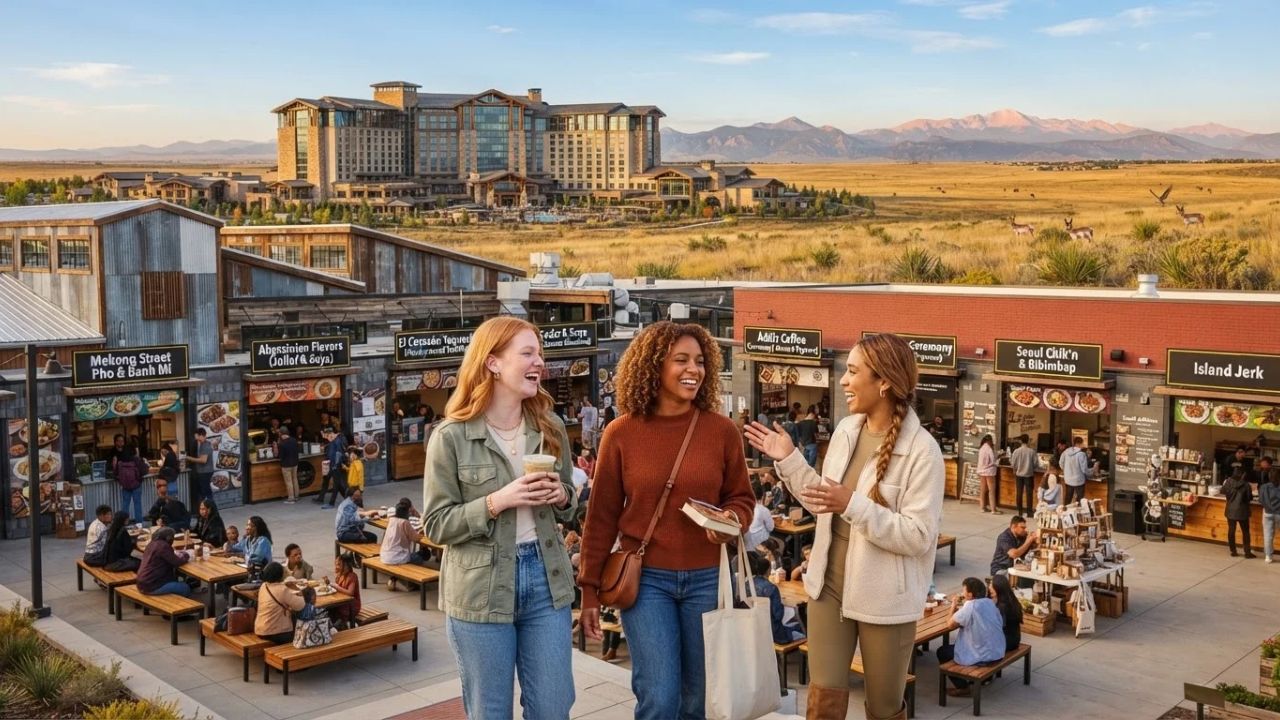
Home to more than 250 independent ethnic restaurants and vast shortgrass prairie preserves, Aurora has stepped out of Denver's shadow to become Colorado's most culturally diverse and accessible travel hub. Located minutes from Denver International Airport, this dynamic city pairs aviation-hangar artisan markets and mega-resorts with untouched Indigenous and pioneer heritage.
The Local Trend Revealed: Aurora Emerges as a Standalone Destination
For decades, travelers landing at Denver International Airport viewed Aurora merely as a transit suburb on their way to central Denver or the ski slopes of the Rocky Mountains. That dynamic has decisively shifted. By leveraging its extraordinary cultural diversity, expansive prairie open spaces, and modern resort infrastructure, Aurora has established an independent visitor identity centered on authentic international dining, family recreation, and accessible regional heritage.
Positioned immediately east of Denver, the city provides an ideal arrival gateway or departure base for domestic and international vacationers. Rather than navigating dense urban traffic, travelers can access marquee attractions within minutes of leaving their terminals.
The city's visitor economy is anchored by four distinct pillars:
- A Global Gastronomic Hub: Aurora features more than 250 ethnic restaurants operated by immigrant and refugee families representing Asian, African, Latin American, and Middle Eastern culinary traditions. From the On Havana Street commercial corridor to East Colfax Avenue, dining functions as a cultural gateway where guests experience authentic recipes handed down through generations.
- Stanley Marketplace: Housed within a repurposed mid-century aviation manufacturing hangar, this community marketplace gathers dozens of independent Colorado businesses under one roof. The venue combines boutique retail shops, local craft breweries, artisanal bakeries, and family activity spaces, creating an easy, walkable day out that bridges residential life with visitor exploration.
- Gaylord Rockies Resort and Convention Center: Serving as a regional hospitality powerhouse near the airport, this expansive resort complex offers premier lodging, fine dining, full-service spa facilities, and extensive conference venues. Families and leisure travelers are drawn to its on-site Arapahoe Springs Water Park, which features indoor and outdoor swimming pools, multi-story waterslides, and a lazy river.
- Plains Conservation Center: Managed in partnership with Denver Botanic Gardens, this open expanse of native shortgrass prairie introduces visitors to Colorado’s ecological heritage. The center features preserved wildlife habitats, reconstructed Cheyenne tipis, a 19th-century pioneer homestead village, and interpretive guided wagon tours that showcase life on the open plains before western industrialization.
Cultural and Environmental Value: Honoring Native Prairie and Immigrant Enterprise
Aurora’s tourism appeal lies in its refusal to conform to stereotypical mountain resort tropes. For the visitor, the real impact is an eye-opening journey through Colorado's authentic ecological foundations and multifaceted human heritage.
Travelers arriving from across the globe can find comprehensive transit and terminal information via the official Denver International Airport website.
Before miners and settlers arrived in search of gold and timber, the shortgrass prairie formed the ecological foundation of the American West. At the Plains Conservation Center, travelers walk alongside rolling grasslands that support black-tailed prairie dogs, pronghorn antelope, red-tailed hawks, and burrowing owls. Educational programs interpret Cheyenne history and ancestral survival strategies, teaching visitors how Indigenous nations lived in balance with the plains ecosystem for centuries.
Equally significant is the city's socioeconomic fabric. Aurora's international dining scene is not an artificial tourism construct; it represents genuine community integration. Supporting independent eateries—from family-run Korean barbecue houses to authentic Ethiopian injera kitchens—directly injects tourism revenue into micro-enterprises and immigrant households. The resulting cultural exchange fosters mutual respect and allows travelers to experience global hospitality without leaving the Centennial State.
For those seeking more regional attractions and official visitor resources, the Visit Colorado tourism board provides detailed guides on state-wide exploration.
Visitor Insider Tips: How to Experience Aurora Like a Local
Maximizing your time in Aurora requires balancing culinary exploration with outdoor timing. Here is practical advice for planning an unforgettable visit:
- Time Your Prairie Excursions Early: The shortgrass prairie at the Plains Conservation Center offers minimal shade. Plan your trail hikes or wagon tours between 8:30am and 11:00am, when temperatures are comfortable and wildlife—including pronghorn and raptors—is actively feeding.
- Embark on the Havana Street Culinary Tour: Explore the celebrated On Havana Street business corridor for exceptional global flavors. Order traditional Ethiopian doro wat (slow-simmered spicy chicken) with fresh injera at The Nile, enjoy charcoal-grilled Korean galbi along Havana Park, or sample fresh Salvadoran pupusas revueltas topped with tangy curtido slaw.
- Visit Stanley Marketplace on Weekday Mornings: To enjoy the craft coffee shops, artisan bookstores, and local boutiques without weekend brunch crowds, schedule your visit between Tuesday and Thursday from 10:00am to 1:30pm.
- Discover Serene Reservoir Waters: Escape to the Aurora Reservoir for peaceful, non-motorized recreation. The pristine 800-acre water basin features an open sandy beach, excellent stand-up paddleboarding, and designated scuba diving areas with exceptional underwater visibility.
- Streamline Airport Connections: If staying near Denver International Airport, take advantage of the Regional Transportation District (RTD) A-Line commuter rail. The train connects the airport terminal directly to Aurora’s Peoria Station in under 15 minutes, allowing effortless transfers without high taxi fares.
Tourism Outlook: Redefining the Gateway to the Rockies
Aurora’s balanced blend of global dining, prairie conservation, and world-class resort infrastructure represents a forward-thinking blueprint for suburban destination development. By celebrating its multicultural population and preserving its native grassland ecosystems, the city has transformed from an airport waypoint into a dynamic destination in its own right.
Visitors interested in the local ecology can explore the educational programs and conservation efforts hosted by the Denver Botanic Gardens.
Under the strategic direction of Visit Aurora, municipal recreation authorities, and local preservationists, the city continues to attract major regional conventions while nurturing grassroots neighborhood tourism. For travelers seeking an authentic, welcoming, and varied Colorado experience, Aurora delivers a complete and enriching vacation before the mountain passes even begin.
Internal Connection
- Explore historic Colorado mining towns in our guide to Durango Colorado Mountain Town Living and Outdoor Guide.
- Review state-wide destination strategies in Colorado Tourism Generational Shift and Succession Planning.
- Discover regional autumn wellness retreats in Fall Travel Across Colorado and Texas Wellness Retreats.
Related Travel Guides
- Durango Colorado Mountain Town Living and Outdoor Guide
- Colorado Tourism Generational Shift and Succession Planning
- Fall Travel Across Colorado and Texas Wellness Retreats
FAQ: Aurora Colorado Travel Guide: World 2026
What are the best things to do in Aurora, Colorado? Top attractions include exploring the diverse eateries on On Havana Street, shopping at the Stanley Marketplace, relaxing at the Gaylord Rockies Resort, and discovering regional history at the Plains Conservation Center.
Is Aurora, Colorado a good place to stay when visiting Denver? Yes. Due to its proximity to Denver International Airport and easy access to the city center, Aurora serves as a convenient, culturally rich alternative to downtown hotels.
What makes Aurora's food scene unique? Aurora is one of Colorado's most diverse cities, boasting over 250 independent ethnic restaurants featuring authentic Asian, African, Latin American, and Middle Eastern cuisines.
How do I get to the Plains Conservation Center? The center is located on the eastern edge of Aurora. It is easily accessible by car from the airport and offers guided tours of the shortgrass prairie and pioneer homesteads.
Disclaimer
This article is for informational and educational purposes only. It does not constitute legal, financial, or professional advice. While we strive to provide accurate and up-to-date information, travel policies, regulations, and conditions change rapidly. Always verify information with official sources before making travel decisions. Nomad Lawyer makes no representations about the accuracy, reliability, completeness, or suitability of the information provided. Readers should consult qualified professionals for advice specific to their circumstances. The views expressed in this article are those of the author and do not necessarily reflect the views of Nomad Lawyer.
Raushan Kumar
Founder & Lead Developer
Full-stack developer with 11+ years of experience and a passionate traveller. Raushan built Nomad Lawyer from the ground up with a vision to create the best travel and law experience on the web.
Learn more about our team →