
AUKUS Submarine Deal Australia: Why Collapse Could Reshape Indo-Pacific Security
Australia's AUKUS submarine deal faces mounting pressure from critics, but abandonment could create catastrophic capability gaps and destabilize Indo-Pacific defense. March 2026 developments threaten the tripartite agreement.

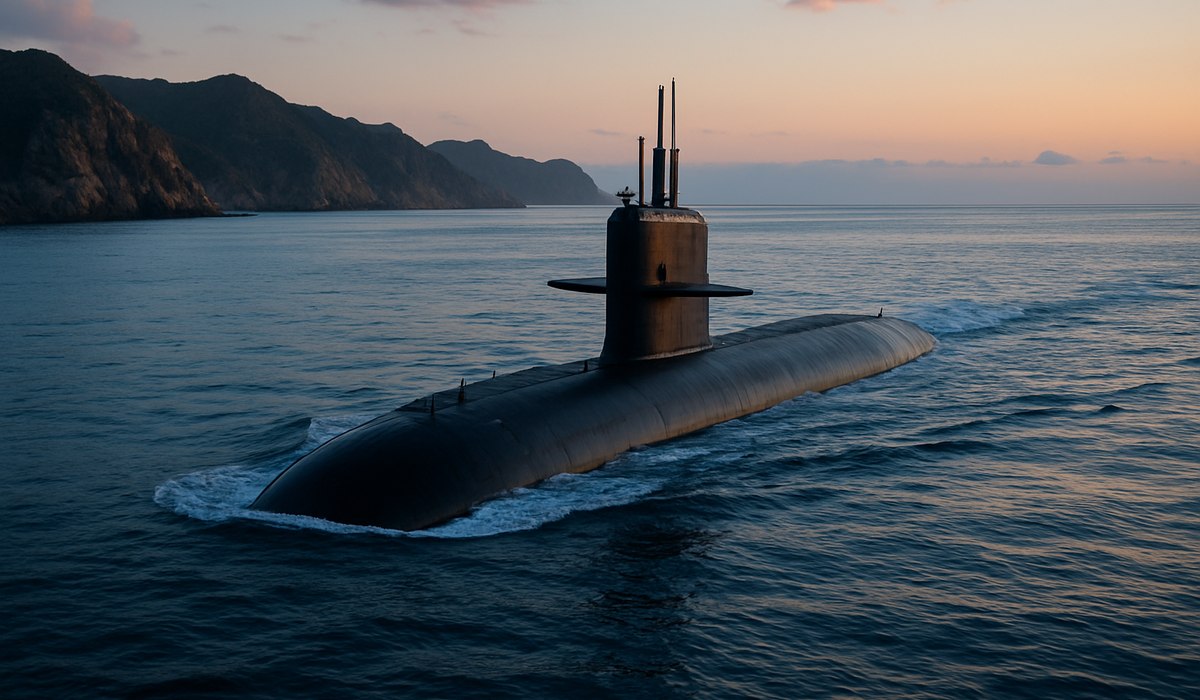
Image generated by AI
Australia's AUKUS Submarine Commitment Under Fire
Australia faces unprecedented pressure to maintain its AUKUS submarine deal commitment despite escalating domestic opposition and ballooning costs that threaten to reshape regional security dynamics. In March 2026, Australian defense officials confront a critical juncture: continue investing in the tripartite nuclear submarine program with the United States and United Kingdom, or risk a capability vacuum that could invite strategic challenges from Beijing. The AUKUS submarine deal represents one of the largest defense procurements in Australian history, with costs exceeding hundreds of billions of dollars. Opponents argue the massive expenditure leaves Australia defenseless during critical transition years. Supporters warn that abandonment would create a submarine capability catastrophe, leaving the Royal Australian Navy without operational vessels precisely when Indo-Pacific tensions escalate.
The Case Against AUKUS: Cost and Capability Concerns
Critics of the AUKUS submarine deal australia program point to staggering financial projections and delivery delays as primary justifications for reconsideration. Former Prime Minister Paul Keating emerged as the loudest voice opposing the agreement, characterizing it as "the most poorly conceived defense procurement program ever adopted by an Australian government." The financial burden appears particularly acute: Australia has already committed $9 billion to infrastructure improvements in the United States and United Kingdom, with no guarantee of refunds if the program terminates.
Retirement of Australia's aging Collins-class submarines would occur before new vessels arrive, potentially leaving the Royal Australian Navy without any submarines for years. This capability gap represents an unprecedented vulnerability for a nation whose strategic interests depend on undersea dominance. According to a senior retired U.S. naval officer familiar with AUKUS parameters, exiting multinational defense consortia costs substantially more than continued participation. Australia risks losing over $2 billion in already-allocated infrastructure investment funds.
The economic argument resonates with Australian taxpayers concerned about domestic priorities. Cost overruns plague most major defense initiatives, and AUKUS shows similar warning signs. Medical infrastructure, education systems, and climate resilience programs compete for federal resources. However, security experts counter that deferring submarine capability investments today invites far costlier security crises tomorrow.
Why AUKUS Failure Would Reshape Indo-Pacific Security
Abandonment of the AUKUS submarine deal would fundamentally alter regional military balance, potentially emboldening Beijing's assertiveness across the South China Sea and Indo-Pacific waters. Australia's submarine force projects power far beyond national waters, providing critical deterrence alongside United States Navy operations. The Virginia-class submarines integrated into the AUKUS framework represent cutting-edge technology unavailable through alternative suppliers.
A capability gap lasting five to ten years would invite strategic miscalculation. China could exploit this window to consolidate gains in disputed territories or intensify pressure on vulnerable allies including Taiwan and Southeast Asian nations. The psychological impact extends beyond military metrics. Japan and South Korea, quietly exploring participation in expanded AUKUS arrangements, would lose confidence in Western security commitments if Australia withdraws.
Technological autonomy concerns carry particular weight in Australian defense planning. Acquiring nuclear submarine capabilities from the United States and United Kingdom ensures interoperability with trusted partners and protects sensitive operational information. No alternative supplier could offer comparable security assurances or technological sophistication. The AUKUS framework also establishes precedent for multilateral defense cooperation that extends beyond submarines into artificial intelligence, quantum computing, and advanced weaponry domains.
Ripple effects would damage broader procurement relationships. Australia maintains substantial F-35 fighter aircraft orders and participates in numerous Anglo-American defense initiatives. Withdrawing from AUKUS could jeopardize these interconnected partnerships, creating diplomatic friction that transcends submarine acquisition. Washington and London both view AUKUS commitment as a reliability indicator for future regional security cooperation.
China's Strategic Interest in Project Collapse
Beijing's strategic planners closely monitor AUKUS developments, recognizing that program failure serves Chinese interests far more effectively than expensive military buildup. Chinese official commentary emphasizes concerns about nuclear submarine proliferation while simultaneously working to amplify Australian domestic opposition voices. This coordinated messaging strategy attempts to exploit genuine budget anxieties and political divisions within Australia.
The AUKUS submarine deal australia program directly challenges China's strategic expansion timeline across the Indo-Pacific. Nuclear-powered submarines dramatically extend Australia's operational reach, enabling deeper engagement with United States Navy operations and enhanced surveillance of critical shipping lanes. These capabilities particularly concern Chinese planners who depend on Indo-Pacific maritime commerce and have invested heavily in expanding their own submarine fleet.
Beijing benefits from strategic ambiguity regarding Australian resolve. If AUKUS collapses, China gains years of unrestricted operational freedom in adjacent waters. Conversely, if Australia demonstrates unwavering commitment despite domestic criticism, this signals to other regional partners—Vietnam, Philippines, South Korea, Japan—that Western alliances remain credible. The stakes extend far beyond submarine hardware into broader questions about Western cohesion and staying power.
The U.S. Commitment and Regional Alliance Implications
Washington views the AUKUS submarine deal as foundational to its Indo-Pacific strategy and cannot casually accept Australian withdrawal. The United States invested significant diplomatic capital securing Australian commitment and aligned entire shipbuilding programs around delivering submarines on schedule. American taxpayers funded infrastructure improvements at HMAS Stirling and other Australian defense facilities specifically to support this partnership.
A U.S.-Australia rupture over AUKUS would reverberate throughout regional alliance networks. Japan and South Korea, considering their own participation through frameworks like JAKUS and ROKUS, would reassess Western reliability. Taiwan, depending heavily on American security guarantees, would question long-term commitment credibility. The broader Quad partnership linking Australia, India, Japan, and the United States faces stress if Australia retreats from AUKUS.
United States Navy operations throughout the Indo-Pacific assume Australian submarine participation as foundational to maritime security architecture. The Virginia-class platform provides capabilities that no other ally can rapidly replicate. Washington cannot simply absorb Australian defection by deploying additional American submarines; the entire force structure accounts for planned Australian contributions to regional operations.
The technological dimension carries equal importance. The AUKUS submarine deal australia program represents unprecedented sharing of American nuclear propulsion and British advanced submarine design expertise. Once this partnership fractures, Washington will view future technology-sharing initiatives with skepticism. American defense manufacturers will have little incentive to invest in Australian industrial development if the relationship becomes unreliable.
Impact on Regional Travel and Commerce
Tourism and business travel across the Indo-Pacific region face indirect consequences from AUKUS uncertainty. Regional instability discourages international visitor flows and complicates business investment planning. Travelers considering trips to Australia, Singapore, Japan, South Korea, and Southeast Asian destinations should monitor geopolitical developments, as security concerns influence flight routings and accommodation availability.
If the AUKUS submarine deal australia program collapses, heightened tensions could prompt temporary travel advisories for specific regions. Cruise operators and maritime tourism providers depend on stable security environments across shipping lanes. Military exercises increase when strategic uncertainty rises, potentially affecting coastal travel zones. International business travelers should verify current security briefings before scheduling Indo-Pacific itineraries.
Insurance and travel risk assessments already factor AUKUS developments into premium calculations. Longer-term strategic clarity would stabilize insurance costs and travel planning confidence. Corporate travel departments increasingly incorporate geopolitical risk analysis into decision-making frameworks. Travel journalists and tourism operators should anticipate shifting itinerary emphasis toward more secure regional corridors if AUKUS negotiations remain unresolved.
Key Data: AUKUS Submarine Program Metrics
| Metric | Details |
|---|---|
| Total Australian Commitment | $9 billion allocated to U.S. and U.K. defense industrial development |
| Collins-Class Retirement Timeline | 2030s, creating dangerous capability gap if AUKUS delays continue |
| Potential Infrastructure Investment Loss | $2 billion+ at risk if program terminates |
| Virginia-Class Block Variants | Multiple design versions (Block I, II |
Preeti Gunjan
Contributor & Community Manager
A passionate traveller and community builder. Preeti helps grow the Nomad Lawyer community, fostering engagement and bringing the reader experience to life.
Learn more about our team →